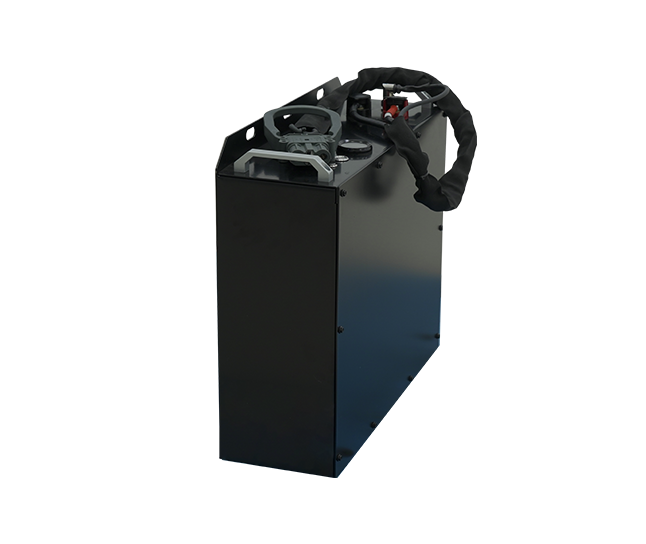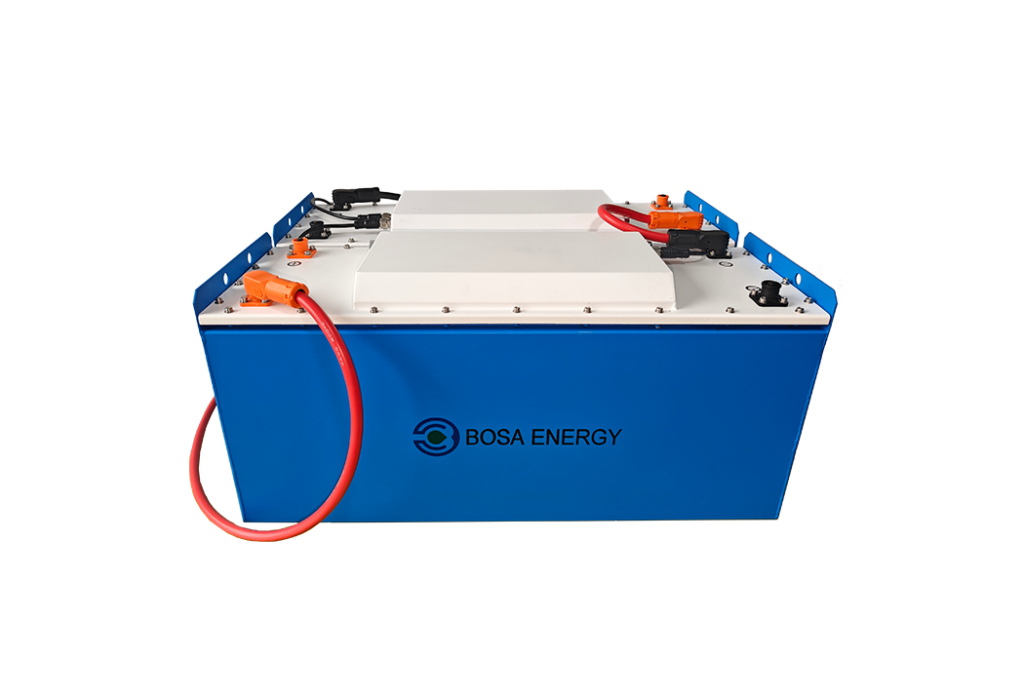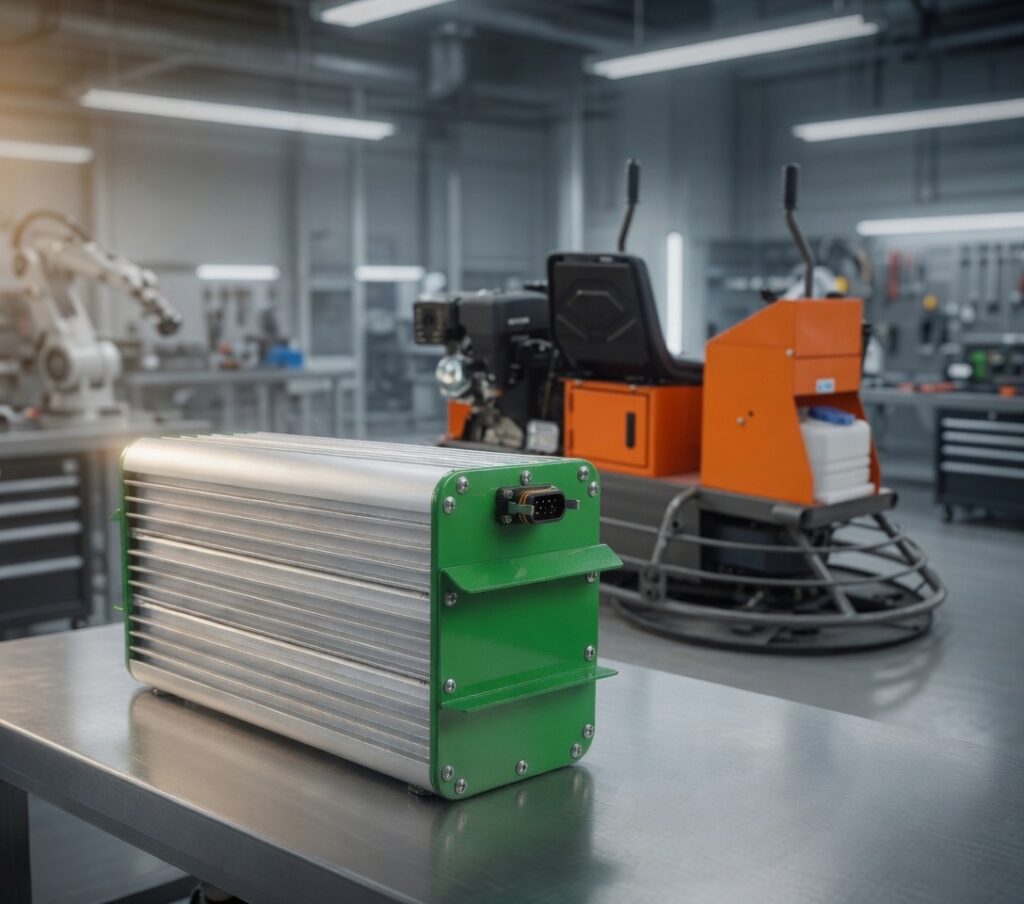

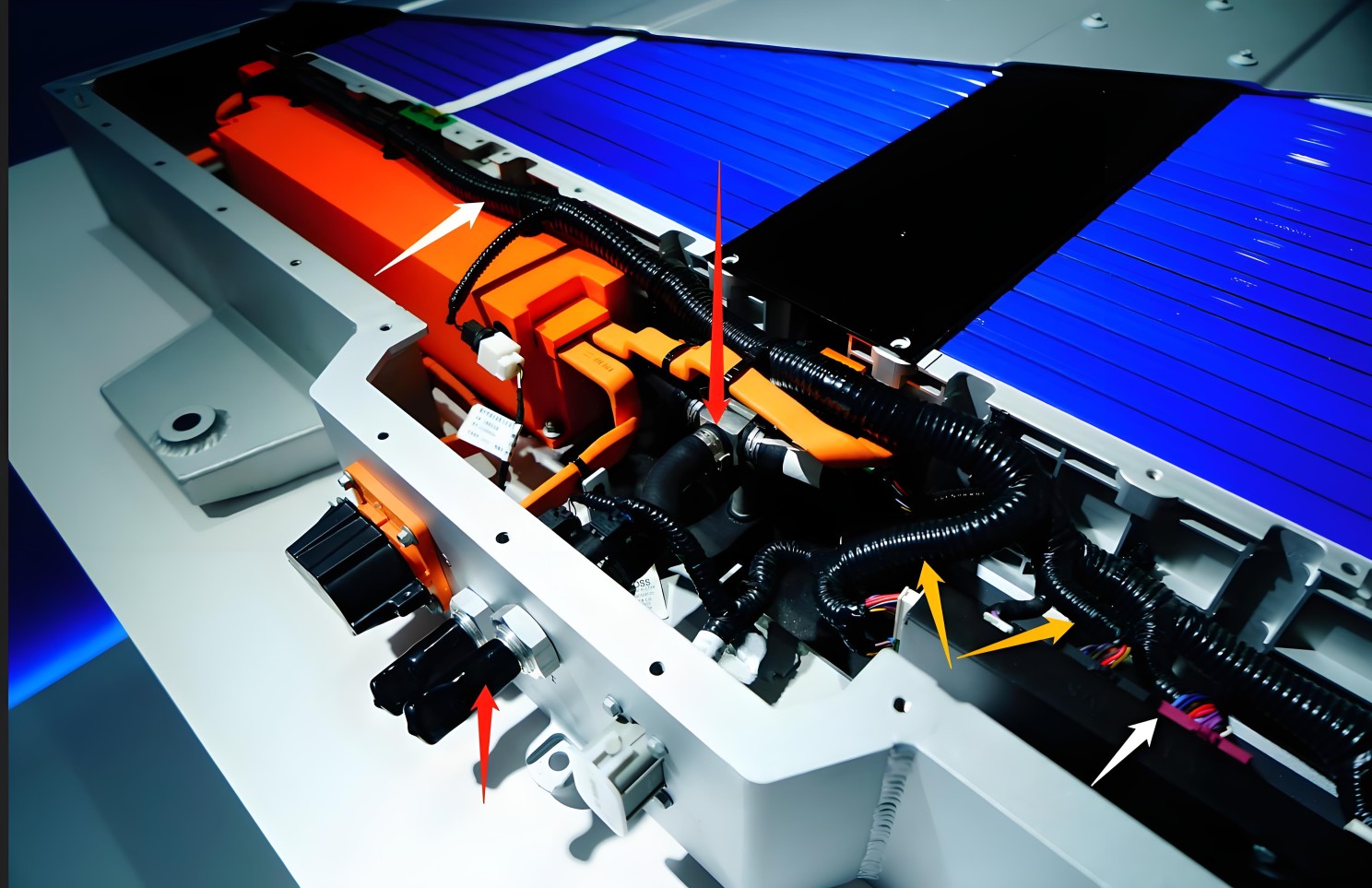
Actuellement, les structures les plus courantes des batteries sont CTM, CTP, CTB et CTC.
CTM (cellule à module) : Le CTM consiste à intégrer la cellule de batterie sur le module, puis à utiliser la coque pour encapsuler le module afin de former un bloc-batterie.
CTP (cell to pack) : intégration directe de la cellule de batterie à l'intérieur du pack de batteries, éliminant ainsi le lien avec le module.
CTB (cellule à corps) : le corps lui-même n'a pas de plaque inférieure, et le couvercle supérieur de la batterie est combiné avec la plaque inférieure du corps.
CTC (cellule à châssis) : la cellule de batterie est installée directement sur la plaque de fond monobloc estampée.
CTM
C'est la méthode dominante actuellement.
Avantages : technologie éprouvée ; maintenance après-vente aisée, le module défectueux peut être remplacé séparément et il n’est pas nécessaire de mettre au rebut l’ensemble de la batterie ;
Inconvénients : faible taux d’utilisation du volume de la batterie. Les dimensions des batteries variant d’un modèle à l’autre, certaines peuvent présenter des irrégularités, mais la taille des cellules est standardisée et l’agencement des modules doit être soigneusement étudié.

CTP
Les célèbres batteries Kirin et Blade sont conçues selon ce principe. L'avantage réside dans le fait que le bloc-batterie offre un taux d'utilisation du volume élevé et peut contenir davantage de cellules à volume égal qu'une batterie CTM.

CTB
Technologie d'intégration batterie-carrosserie : la carrosserie elle-même ne comporte pas de plaque de fond ; le couvercle de la batterie et la plaque de fond de la carrosserie sont combinés en un seul élément, le système de batterie devient également une partie structurelle, renforçant ainsi la rigidité de la carrosserie.
Avantages : utilisation optimale du volume ; rigidité accrue de la carrosserie ; grâce à l'absence de plaque de fond, l'espace longitudinal à bord est considérablement amélioré, offrant ainsi aux passagers une expérience de conduite plus agréable.

CTC
Les cellules de la batterie sont montées directement sur la plaque inférieure emboutie. Tesla en est un exemple typique. La structure est très similaire à celle du CTB, et les avantages sont comparables. Elle renforce l'intégration du système de batterie avec le système d'alimentation et le châssis du véhicule électrique, réduit le nombre de pièces, optimise l'espace et améliore l'efficacité structurelle.
Énergie Bosa
Bosa Energy, forte d'une capacité de 150 GWh et d'une expérience de plus de 400 000 applications dans des bus et véhicules utilitaires électriques, figure parmi les 5 premières entreprises du secteur des batteries de puissance en Chine. Nous collaborons avec des entreprises telles que Yutong, Geely et Damiler.
Nous proposons également des systèmes de stockage d'énergie en conteneur et avons livré 5 GWh de systèmes de stockage d'énergie en 2023. Sur le marché local, nous offrons un service OEM à Changan, CALB, National Grid, Ping Gao Electric, Xuji Electronics et Ruineng Electronics, qui sont nos principaux fournisseurs de systèmes de stockage d'énergie en conteneur sur le marché chinois.
Nous sommes le fournisseur le plus professionnel de batteries au lithium marines en Chine, et notre volume d'exportation de batteries marines figure constamment parmi les trois premiers en Chine ; nous sommes également le premier exportateur de modules de batteries au lithium en Chine, spécialisé dans la fourniture de diverses solutions de modules de batteries au lithium.
Grâce à leur excellente qualité et à leurs performances exceptionnelles, nos produits sont plébiscités dans plus de 30 pays à travers le monde. Nous disposons également d'entrepôts en Allemagne et aux Pays-Bas afin de garantir un approvisionnement sûr et des livraisons rapides à nos clients.
l Personnalisé et flexible
l Capacité de livraison élevée
l Applications étendues
Expérience approfondie des batteries au lithium