
01 Electric Motor
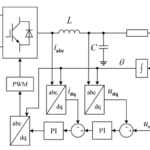
The electric motor is the power unit of an EV. It is an electromagnetic device that converts electrical energy based on the principle of electromagnetic induction. Its primary function is to generate rotational motion, serving as a power source for electrical equipment or various machines.
02 Generator
The primary function of a generator is to convert mechanical energy into electrical energy.
03 Cooling System
The cooling system typically consists of a radiator, a water pump, a fan, a thermostat, a coolant temperature gauge, and a drain valve. EV engines use two cooling methods: air cooling and water cooling, with water cooling being the most common.
04 Drive System
The chassis of a pure electric vehicle, because its electric motor has excellent traction characteristics, eliminates the clutch and transmission required by the drive system of a battery-powered vehicle. Vehicle speed control is achieved by varying the motor speed through a speed control system controlled by a controller.
05 Drive System
The drive system is similar to that of a fuel-powered vehicle and primarily includes the frame, axles, wheels, and suspension. The drive system of an electric vehicle receives torque transmitted from the electric motor via the drive system and generates traction on the road through the adhesion between the drive wheels and the road, ensuring normal vehicle operation. Furthermore, it should minimize the impact and vibration caused by uneven roads on the vehicle body, ensuring normal operation of the electric vehicle.
06 Steering System

The steering system of an electric vehicle maintains or changes the vehicle’s direction of travel. It includes components such as the steering mechanism, steering gear, and steering transmission mechanism. The steering system consists of the steering wheel, steering gear, steering knuckle, steering knuckle arm, tie rods, and straight tie rods. When turning, the steering wheels must maintain a coordinated angle of rotation. The driver manipulates the steering system to maintain the vehicle in a straight or turning state, or to transition between the two. Furthermore, the system must ensure that the steering wheels do not vibrate, the steering wheel does not wobble, the steering is sensitive, the minimum turning radius is small, and the vehicle is easy to operate.
07 Braking System
The braking system is the general term for all braking and deceleration systems in an electric vehicle. Its function is to slow down or stop a moving electric vehicle, or to keep it stationary if it has already stopped. The braking system includes brakes and brake transmission. Modern electric vehicles also have anti-lock braking systems in their braking systems. Similar to fuel vehicles, the braking system of EV also consists of two sets of devices: service brake and parking brake.
08 Electrical Equipment
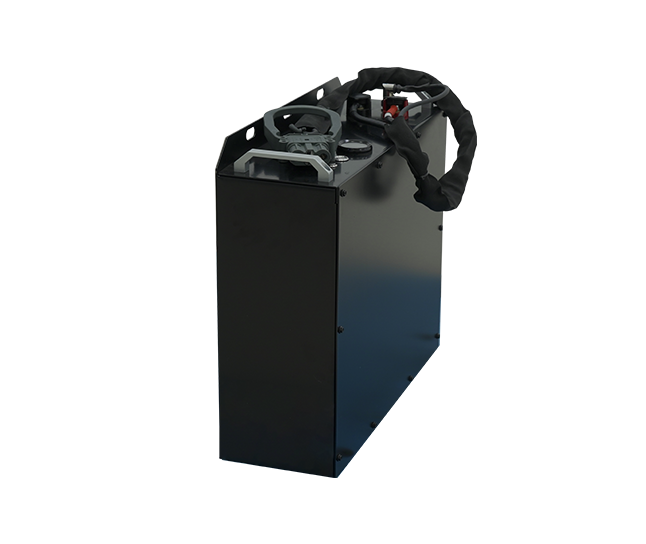
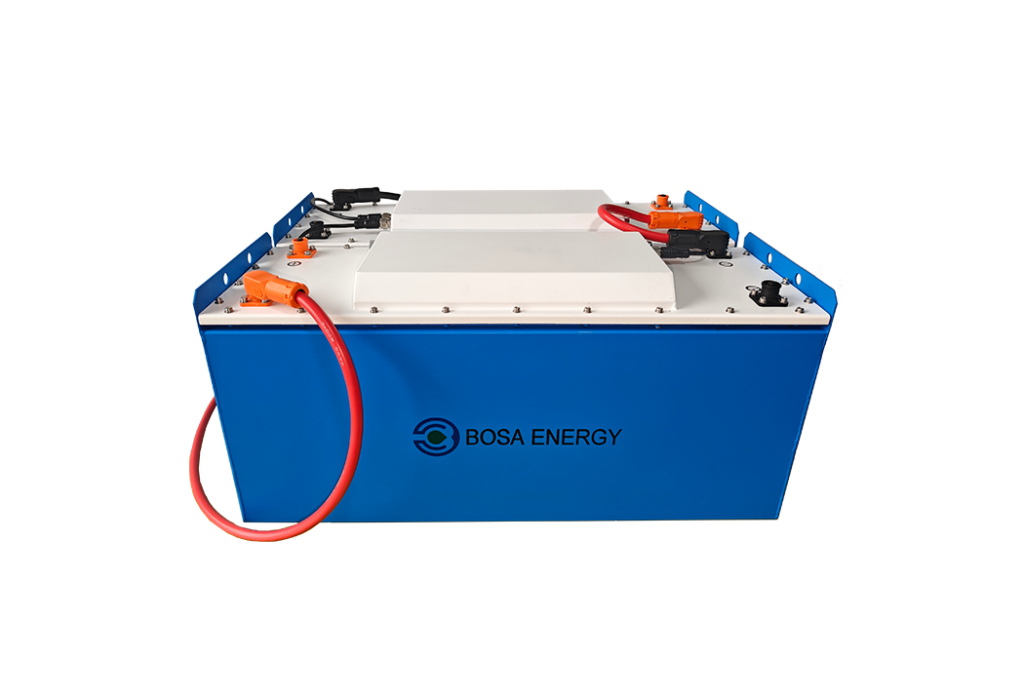
Electrical equipment in electric vehicles primarily includes batteries, generators, lighting fixtures, instruments, audio systems, wipers, and more. Batteries power the starter and electric motor. The power battery pack is a key component of ev. The energy it stores, as well as its weight and volume, have a decisive impact on the performance of ev. The power battery pack occupies a significant portion of the available loading space in ev, making its placement quite challenging. It is generally deployed in either a centralized or decentralized manner.
09. Energy Recovery System
The energy recovery system converts the inertial mechanical energy of an electric vehicle during coasting (or braking) into electrical energy, storing it in capacitors or charging the power battery. This energy can then be quickly released when needed.
10. Cooling System
Because batteries generate a significant amount of heat during operation, a good cooling system is crucial for both the safety of the electric vehicle and the longevity of its batteries.
11. Body
The body consists of two parts: the front and the cabin.

12. Industrial Equipment
Industrial equipment is a specialized feature of an electric vehicle used in industrial applications, such as the lifting mechanism, mast, and forks of an electric forklift. Lifting the forks and tilting the mast are typically performed by a hydraulic system driven by an electric motor.