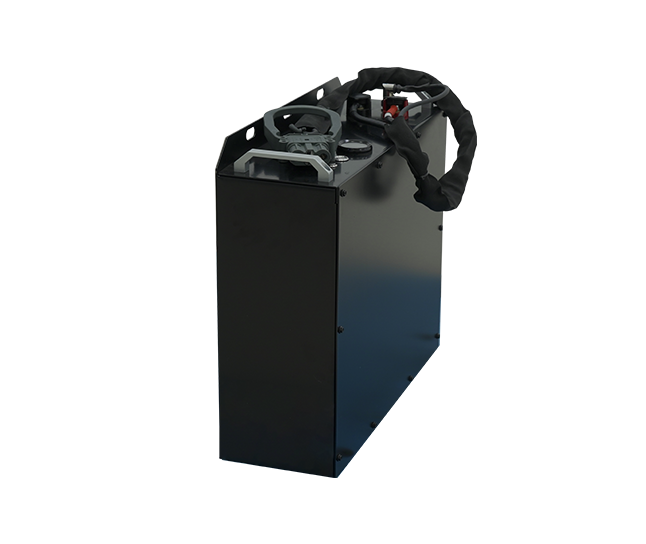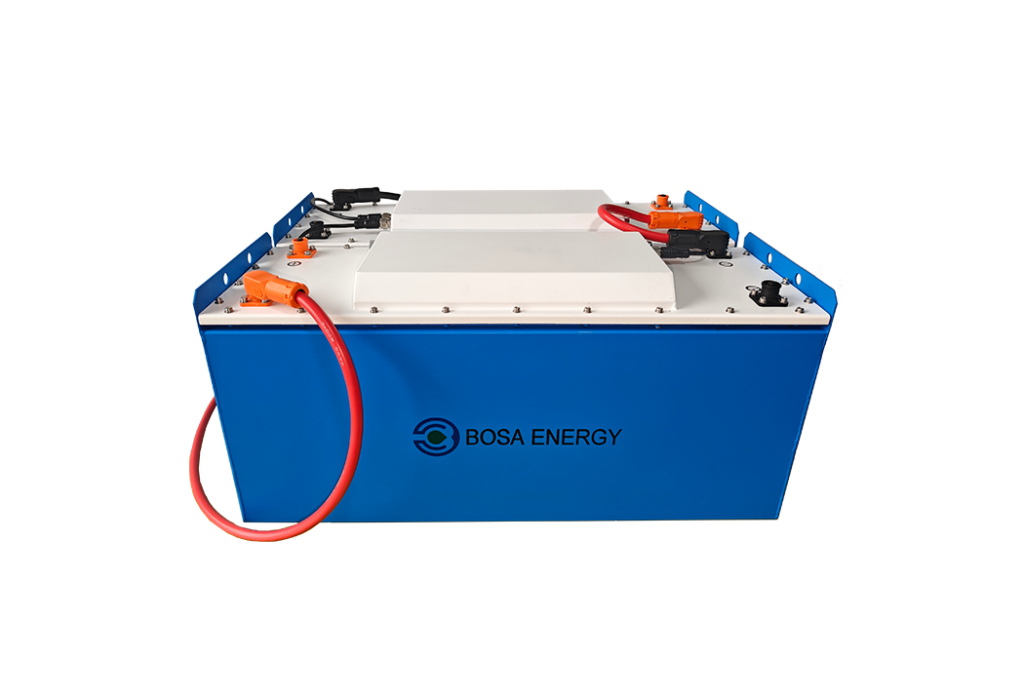

As an automotive-grade control system, its stability and functional durability are points that need to be paid special attention to. Once the BMS fails, it will affect the life of the battery system and reduce the endurance of the vehicle, or even cause thermal runaway and thermal safety issues;
Its failure mode needs to be analyzed clearly. The failure of the battery system is not only related to the battery itself, but also to the failure of the BMS. The BMS failure mode can cause serious accidents in the following categories:
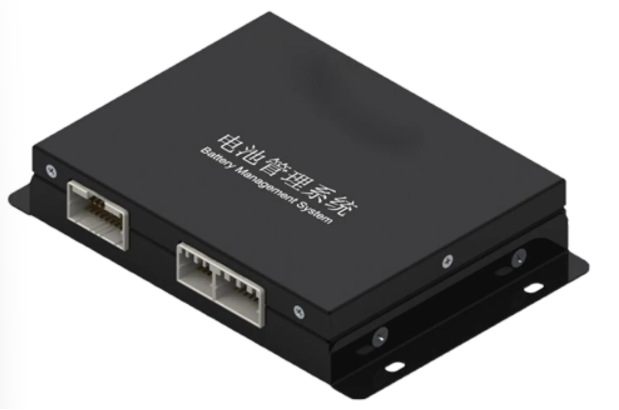
1. Failure of BMS voltage detection leads to overcharge or overdischarge of the battery:
The connection, wire pressing process or poor contact leads to failure of the voltage detection line, BMS has no voltage information, and charging does not stop when it should.
2. Failure of BMS current detection:
The Hall sensor fails, BMS cannot collect current, SOC cannot be calculated, and the deviation is large. Failure of current detection may lead to excessive charging current. The charging current is large, the internal heat of the battery cell is large, and the temperature exceeds a certain temperature, which will cause the diaphragm solidification capacity to decay, seriously affecting the battery life.
3. Failure of BMS temperature detection:
Once the BMS fails to detect the temperature of the battery, the working temperature of the battery may be too high to cause irreversible reaction, which has a great impact on the battery capacity and internal resistance.
On the one hand, it affects the life, and more dangerously, high-temperature batteries are prone to swelling, leakage, explosion and other problems, which eventually lead to thermal runaway and safety problems.
4. Failure of insulation monitoring:
Insulation failure will occur when the power battery system is deformed or leaks. If the BMS does not detect it, people may be electrocuted. Therefore, the BMS should have the highest requirements for monitoring sensors. Avoiding failure of the monitoring system can greatly improve the safety of the power battery.
5. Electromagnetic compatibility problem Communication failure:
For the BMS , electromagnetic compatibility mainly tests its ability to resist electromagnetic interference. Electromagnetic interference can cause BMS communication failure, leading to the above problems.