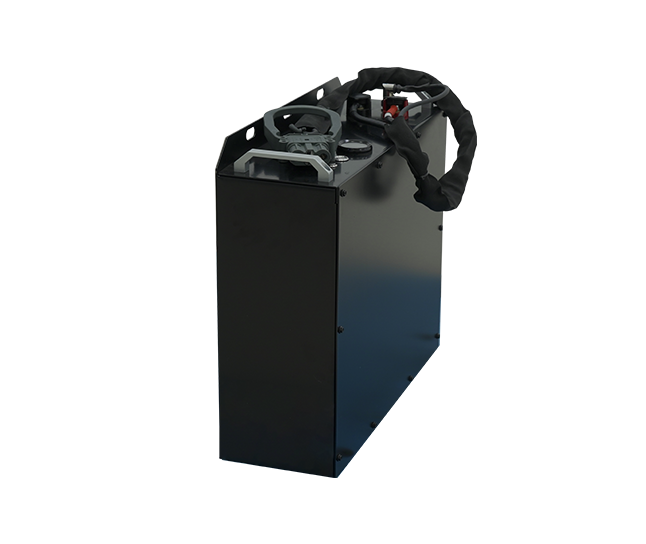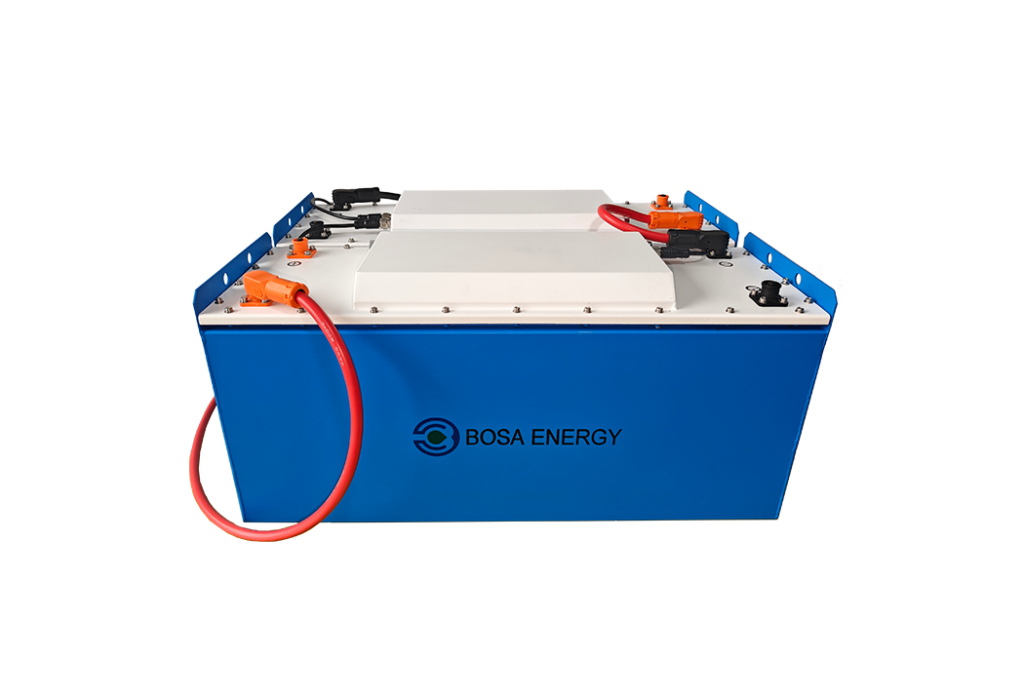

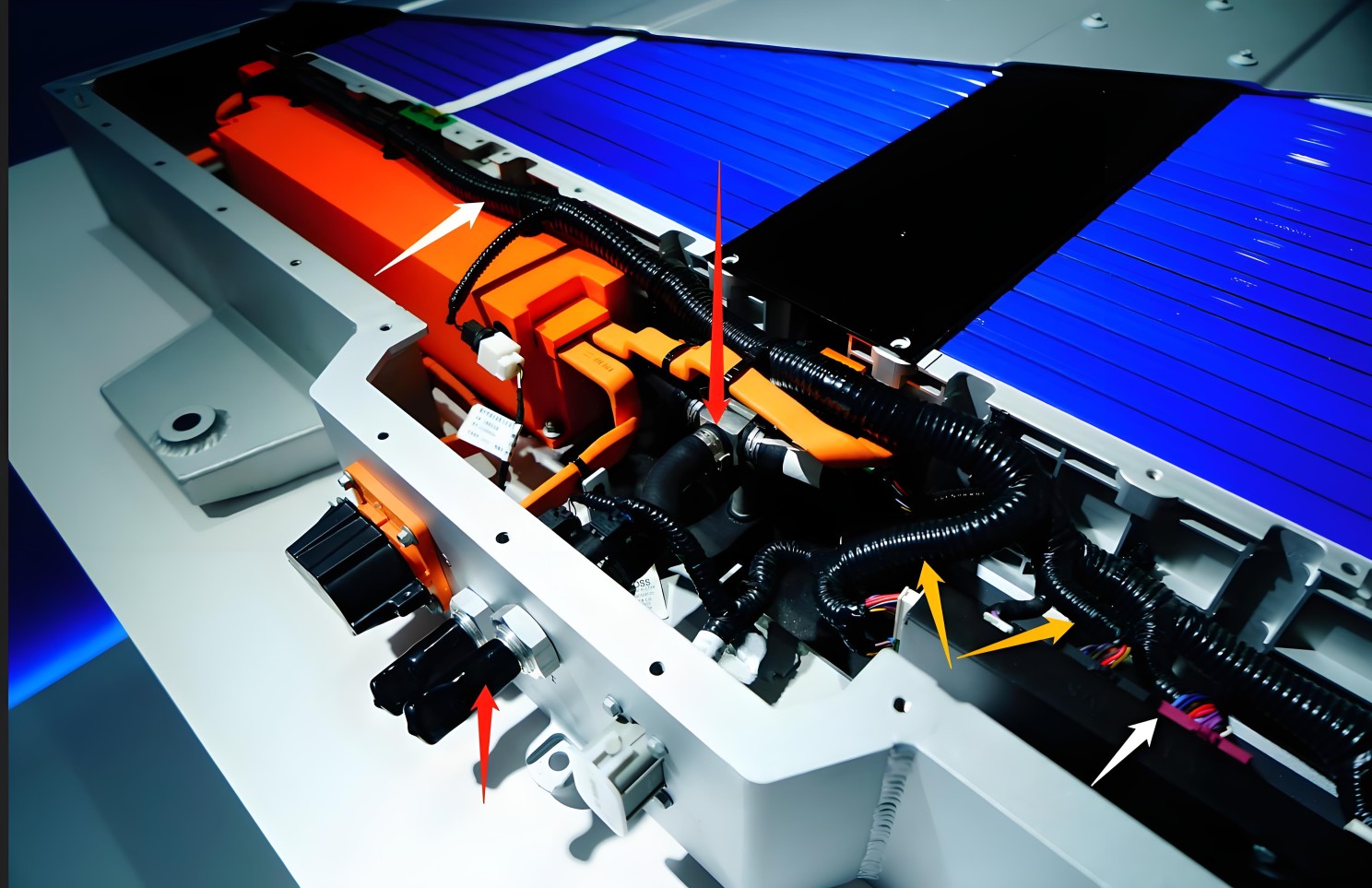
В настоящее время основными структурами аккумуляторных батарей являются CTM, CTP, CTB и CTC.
CTM (cell to module): CTM — это интеграция аккумуляторной ячейки в модуль, а затем использование оболочки для герметизации модуля с целью формирования аккумуляторного блока.
CTP (cell to pack): прямая интеграция аккумуляторного элемента внутрь аккумуляторного блока, исключающая модульную связь.
CTB (cell to body): сам корпус не имеет нижней пластины, а верхняя крышка батареи соединена с нижней пластиной корпуса.
CTC (элемент к шасси): элемент батареи устанавливается непосредственно на цельную штампованную нижнюю пластину.
CTM
В настоящее время это основной метод.
Преимущества: отработанная технология; удобное послепродажное обслуживание, неисправный модуль можно заменить отдельно, и нет необходимости утилизировать весь аккумуляторный блок;
Недостатки: низкий коэффициент использования объема в аккумуляторном блоке. Поскольку размеры аккумуляторных блоков у разных моделей не совпадают, некоторые могут иметь нестандартные размеры, но размер элементов батареи является стандартным, и компоновку модуля необходимо тщательно продумать.

ЦТП
Известные батареи Kirin и Blade имеют именно такую конструкцию. Преимущество заключается в высоком коэффициенте использования объема батарейного блока, и на том же пространстве можно разместить больше элементов, чем в батареях CTM.

CTB
Технология интеграции аккумуляторного блока с кузовом автомобиля предполагает отсутствие нижней пластины в самом кузове, объединение крышки аккумуляторного блока и нижней пластины кузова в единое целое, благодаря чему аккумуляторная система также становится конструктивным элементом, повышая жесткость кузова.
Преимущества: высокая степень использования объема; повышение жесткости кузова; отсутствие нижней пластины в конструкции CTB значительно увеличивает продольное пространство в салоне, обеспечивая пассажирам более комфортную поездку.

CTC
Аккумуляторные элементы устанавливаются непосредственно на цельноштампованную нижнюю пластину. Tesla — типичный пример. Конструкция очень похожа на CTB, и преимущества аналогичны. Это еще больше углубляет интеграцию аккумуляторной системы с силовой установкой электромобиля и шасси, уменьшает количество деталей, экономит место и повышает эффективность конструкции.
Bosa Energy
Компания Bosa Energy, обладающая мощностью 150 ГВтч и опытом применения более 400 000 электробусов и коммерческих автомобилей, входит в пятерку лидеров китайской индустрии аккумуляторных батарей. Мы сотрудничаем с Yutong, Geely, Damiler и другими компаниями.
Мы также предлагаем контейнерные системы хранения энергии и в 2023 году поставили систему с 5 ГВтч энергии. На местном рынке мы предоставляем услуги OEM для Changan, CALB, National Grid, Ping Gao Electric, Xuji electronics, Ruineng electronics — наших основных поставщиков контейнерных систем хранения энергии на китайском рынке.
Мы являемся самым профессиональным поставщиком морских литиевых батарей в Китае, и наш объем экспорта морских батарей неизменно входит в тройку лидеров в Китае; мы также являемся ведущим экспортером литиевых батарейных модулей в Китае, специализируясь на предоставлении различных решений в области литиевых батарейных модулей.
Благодаря превосходному качеству и производительности наша продукция пользуется популярностью более чем в 30 странах мира. Мы также создали склады в Германии и Нидерландах, чтобы обеспечить наличие товаров на складе и своевременную доставку нашим клиентам.
Индивидуальный и гибкий подход
Высокая пропускная способность
Широкое применение
Богатый опыт работы с литий-ионными аккумуляторными батареями.