
01—Core of Industrial and Commercial Energy Storage
Main Application Scenarios: Divided into three categories: single-configuration energy storage, integrated photovoltaic and energy storage, and microgrids. Distributed energy storage is a necessity for factories, industrial parks, charging stations, commercial buildings, and data centers.
Business Models: Four types: self-built, energy performance contracting, financial leasing + energy performance contracting, and pure leasing. Currently, energy performance contracting is the dominant model.
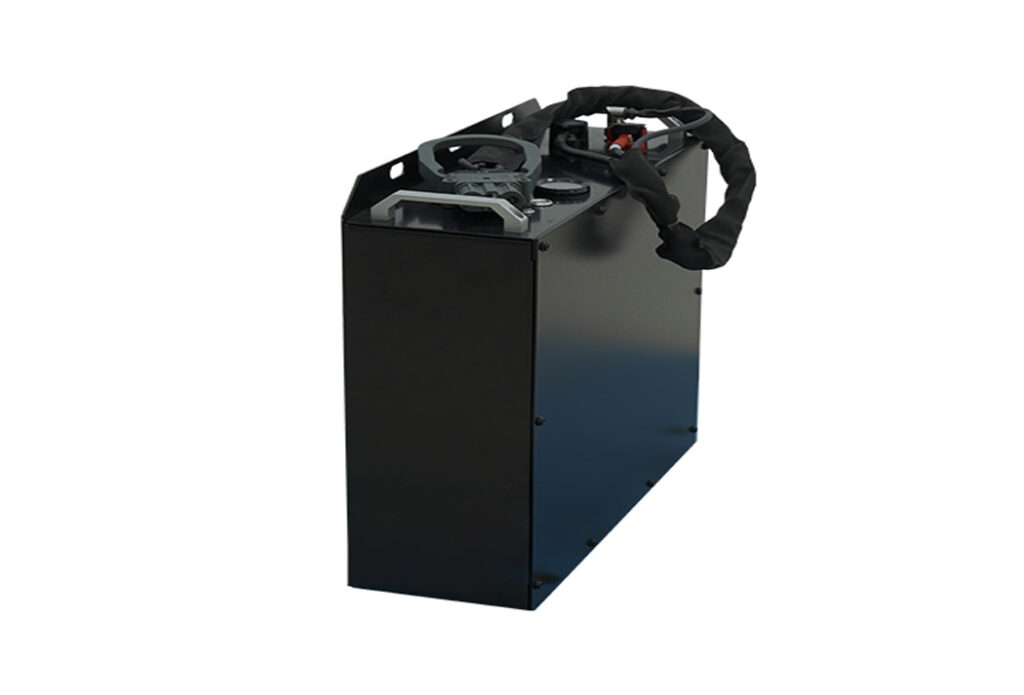
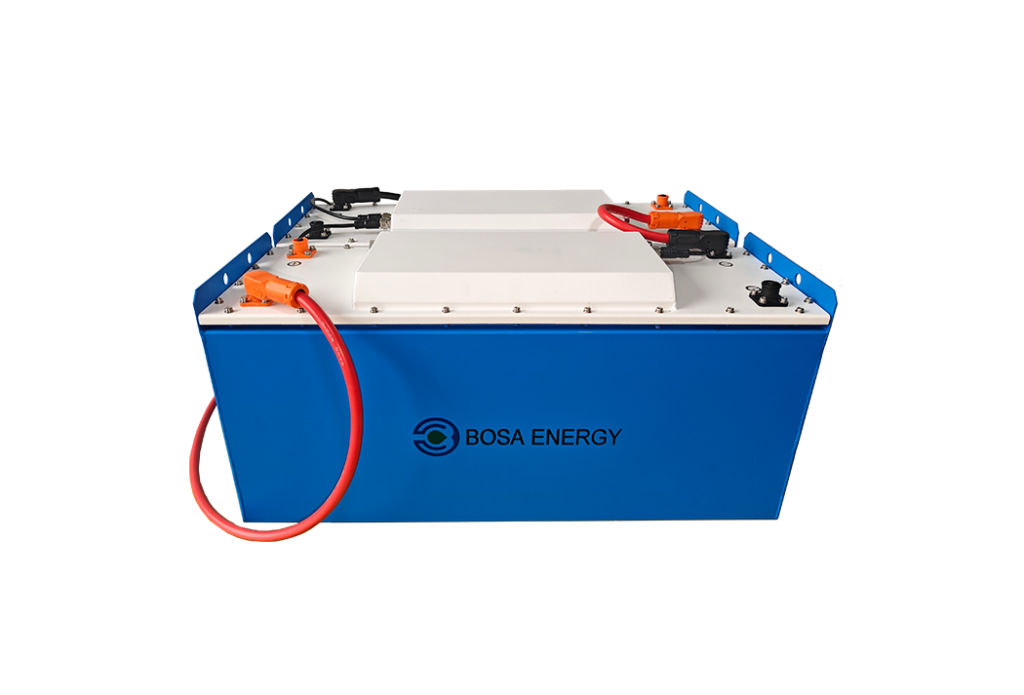
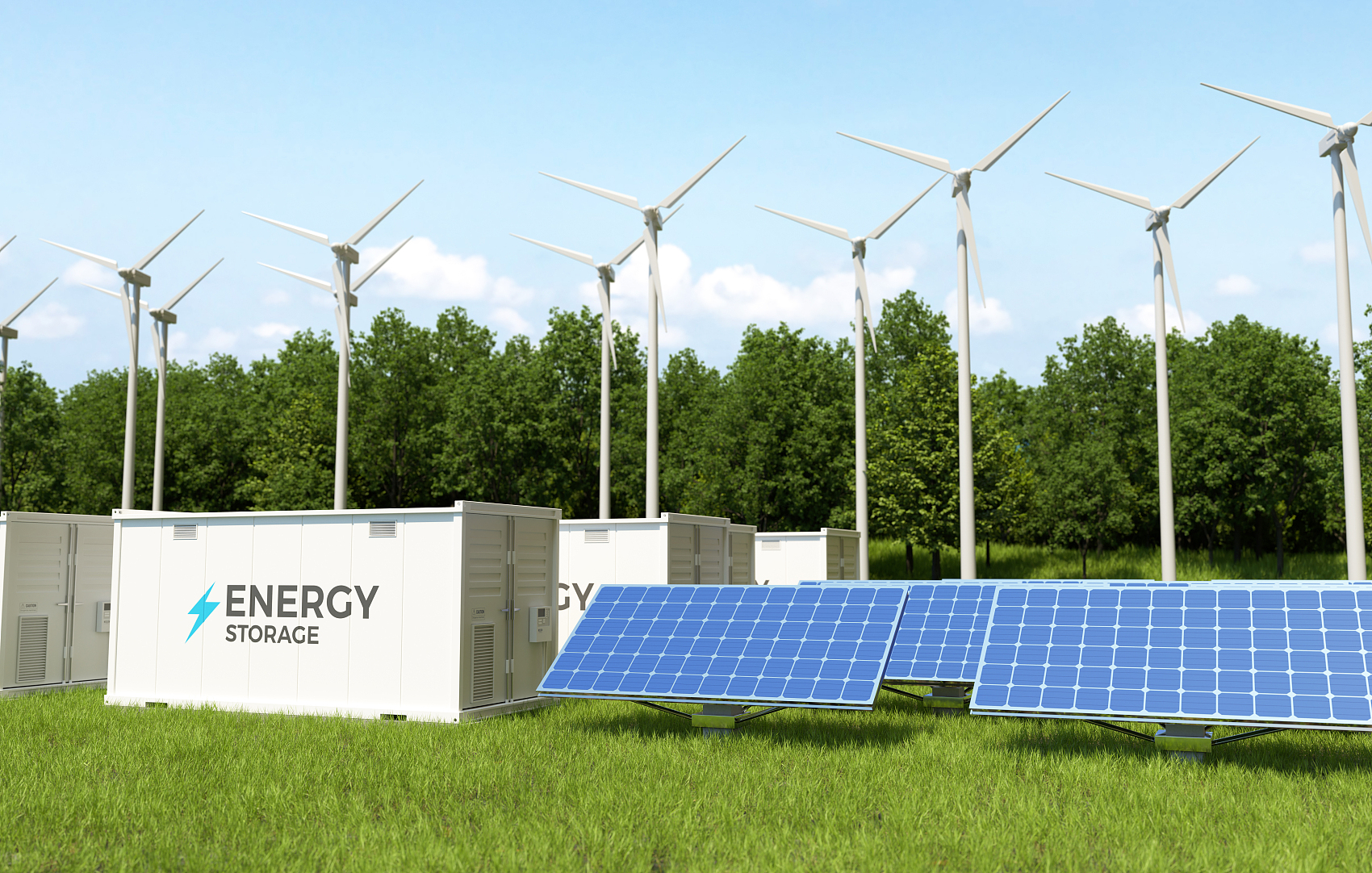
Product Forms: Primarily modular design, available in standard cabinet and containerized forms.
Profit Channels: Currently mainly based on peak-valley price arbitrage.
Industry Characteristics: Downstream customers are dispersed; customer acquisition channels are key to market development.
02—Main Roles and Application Scenarios of Industrial and Commercial Energy Storage
The main application scenarios of industrial and commercial energy storage can be divided into three categories: single-configuration energy storage, integrated photovoltaic and energy storage, and microgrids.
Main application scenarios in domestic industry and commerce
①Standalone Energy Storage
Commercial and industrial users configure standalone energy storage primarily for two reasons: First, to save on electricity costs by peak shaving and valley filling. Second, to use energy storage as a backup power source for unforeseen needs.
②Integrated Photovoltaic-Storage (Charging) Systems
Based on past implementations of integrated photovoltaic-storage (charging) projects, these systems are typically paired with charging stations. Integrated photovoltaic-storage (charging) systems combine photovoltaic power generation, energy storage, and charging functions. They convert solar energy into electricity through a rooftop solar system and store the electricity for daily charging of electric vehicles. The application of energy storage makes user-side self-consumption possible, improving the self-consumption rate of distributed photovoltaic power and mitigating the impact of high-current charging from charging piles on the regional power grid.
③Microgrids
Microgrids are small, localized power generation and distribution systems with their own power generation capabilities. They are commonly found in industrial parks, islands, and remote areas. Microgrids can operate independently of the main grid or in conjunction with it. For microgrids operating independently of the main grid, energy storage can smooth the generation of new energy sources and serve as a backup power source. For grid-connected microgrids, energy storage can achieve energy optimization and energy conservation and emission reduction.
For factories, industrial parks, charging stations, commercial buildings, data centers, and other similar entities, distributed energy storage is a necessity. Their needs primarily fall into three categories: cost reduction in high-energy-consuming scenarios, increasing the proportion of green electricity usage through photovoltaic-energy storage integration, and transformer capacity expansion.
Energy storage requirements in different scenarios
①Cost Reduction in High-Energy-Consuming Scenarios
Electricity costs are a significant expense for businesses and industrial enterprises. Data center electricity costs account for 60%-70% of operating costs. As the peak-valley electricity price difference widens, these companies will be able to significantly reduce electricity costs through peak-shifting and valley-filling.
②Photovoltaic-energy storage integration increases the proportion of green electricity usage
Every link in the industrial chain production system has a demand for green electricity, but the cost of purchasing green electricity is not small. Therefore, many factories are building their own “distributed photovoltaic + distributed energy storage”.
③Transformer Capacity Expansion
Primarily used in charging piles, especially super-fast charging piles and in factory settings.
In 2012, the charging power of new energy vehicle charging piles was 60 kilowatts; currently, it has basically increased to 120 kilowatts, and is developing towards 360 kilowatts for super-fast charging piles. At this charging power, ordinary supermarkets or charging stations do not have extra transformers available at the grid level because it involves the issue of grid transformer capacity expansion; therefore, energy storage is needed as a substitute.
03—Commercial and industrial energy storage mainly focuses on peak-valley arbitrage
By charging during off-peak hours and generating electricity during peak hours, time-shifted electricity demand can save on electricity costs. Secondly, in some regions, user-side energy storage projects can also obtain some electricity market subsidy income by participating in local demand-side response. Furthermore, user-side energy storage can also prevent sudden power outages.
Several Profit Models for Industrial and Commercial Energy Storage
①Peak-valley price difference
Charging during off-peak hours and discharging during peak hours to supply loads with higher electricity costs saves on electricity bills.
②Energy Time Shift
When there is a temporal and spatial mismatch between the photovoltaic (PV) power output curve and the load consumption curve, unusable PV power is stored in batteries. When PV power output is insufficient, the stored energy is discharged to supply power to the load, achieving peak shaving and valley filling of PV power, maximizing the self-consumption ratio of PV power, and reducing electricity costs.
③Spot Trading
Energy storage power stations can participate in electricity market trading through aggregation via virtual power plants (VPPs). They can buy electricity for storage during periods of low demand and sell it during peak demand to profit from arbitrage.
④Ancillary Services
Participate in the power grid’s peak shaving and frequency regulation services and receive subsidies.
⑤Dynamic Capacity Increase
When electricity consumption increases rapidly, existing transformers can no longer meet production demands, requiring an application to increase transformer capacity. This process is often costly and time-consuming. However, using energy storage power stations can delay transformer capacity expansion, offering lower costs and easier installation.
Currently, peak-valley price arbitrage is the main profit channel for industrial and commercial energy storage.