
Understand the Specific Demands of Underground Environments
Underground garages differ from surface lots in several measurable ways. Ventilation is usually restricted, so any equipment that produces exhaust is undesirable. Headroom is limited by pipes, beams, and signage. Aisle widths are constrained by columns, and ramp grades of 15–20 percent are common. Soil loads include petroleum residues, rubber from tires, chloride from winter salt, and fine dust that becomes abrasive when wet. Lighting is often dim, increasing the need for machine-mounted work lights and warning beacons. Drainage may be incomplete, so water recovery is critical to prevent standing water and secondary contamination.
These conditions favor battery-powered machines over internal-combustion models. Among battery options, lithium-ion technology has become the preferred choice for enclosed facilities. A lithium battery powered floor scrubber for underground parking garage applications produces zero tailpipe emissions, maintains consistent power throughout the discharge cycle, and supports opportunity charging during short breaks. This combination improves both safety and productivity in spaces where air quality and continuous operation matter.
Match Equipment Type to Area Size and Layout
Start by measuring the total cleanable area and noting the narrowest aisle, tightest turning radius, steepest ramp, and lowest overhead clearance. For garages under roughly 5,000 square meters, a compact walk-behind scrubber or a small ride-on model is often sufficient. These units maneuver easily around columns and can handle edges and ramps. For mid-size facilities of 5,000–15,000 square meters, a compact or mid-size ride-on scrubber with a cleaning path of 700–900 mm typically delivers the best balance of productivity and agility. Larger structures above 15,000–20,000 square meters benefit from wider ride-on or combination sweeper-scrubbers that can cover 4,000–9,000 square meters per hour under realistic conditions (accounting for turns and obstacles).
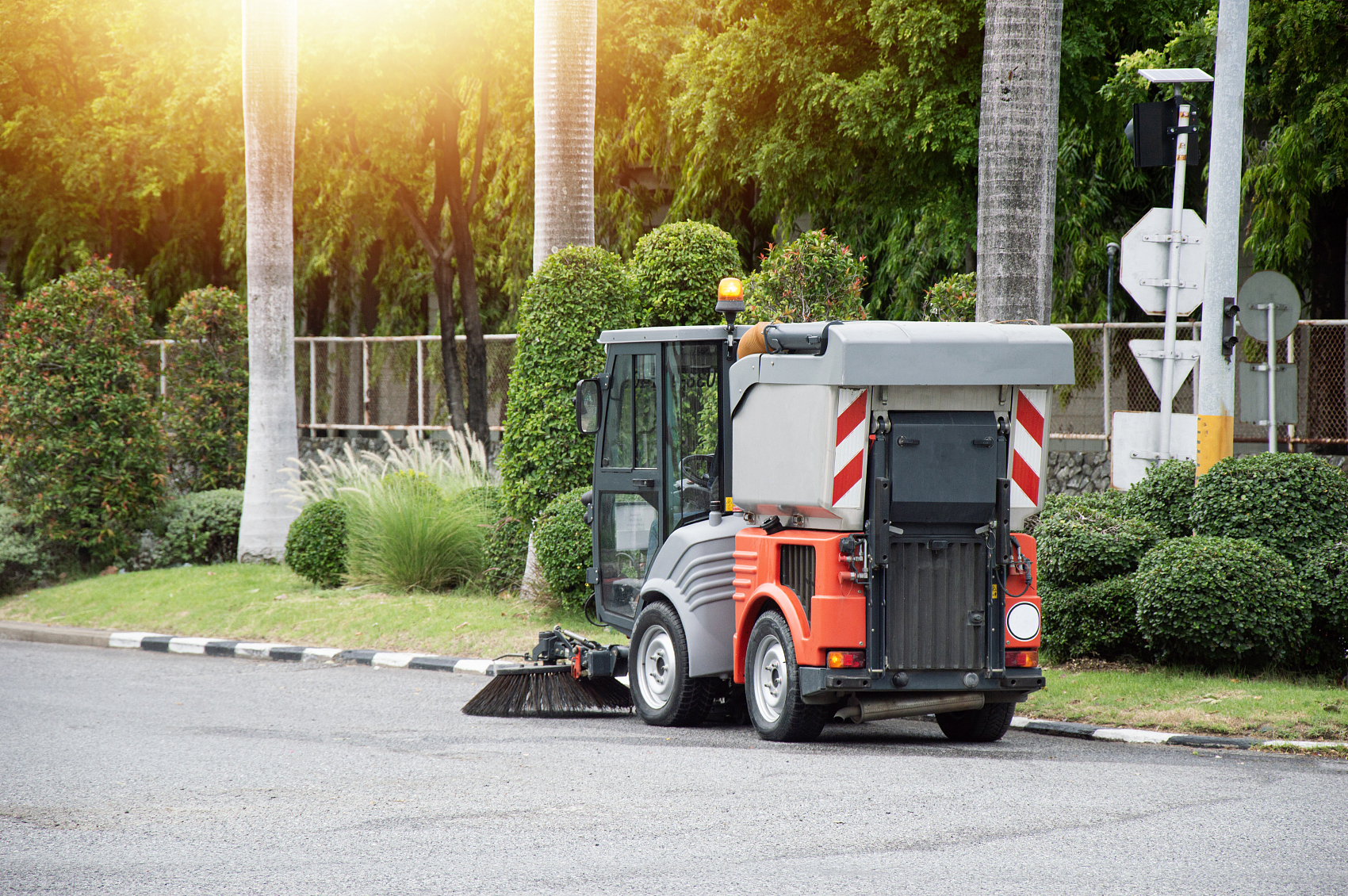
Sweepers remove loose debris before wet cleaning. Many operators run a dry sweep first, then follow with a scrubber. Combination machines that sweep and scrub in one pass reduce total labor on large decks. Pressure washers are useful for vertical surfaces, stubborn curb lines, and ramp edges, but they require a recovery plan so wash water does not simply move contaminants into drains or create slip hazards.
Prioritize Power Source and Runtime
The single most important decision for underground work is the power source. Corded electric machines limit mobility and create trip hazards. Gasoline or diesel units introduce exhaust that accumulates in enclosed spaces. Lead-acid batteries work but require watering, equalizing charges, and longer recharge times; they also lose capacity as they discharge.
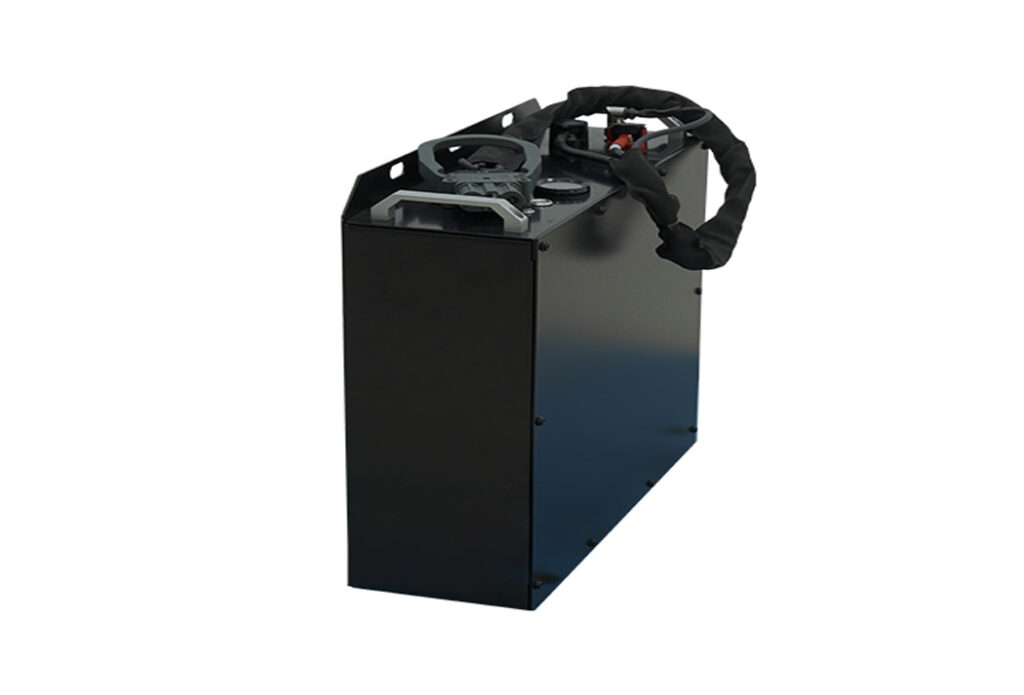
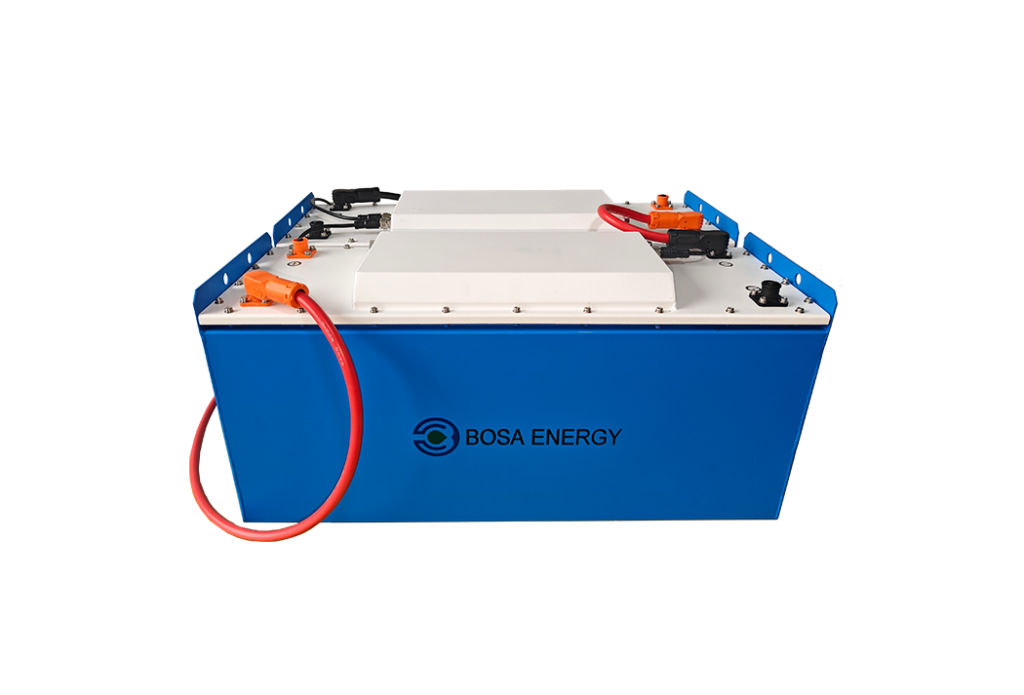
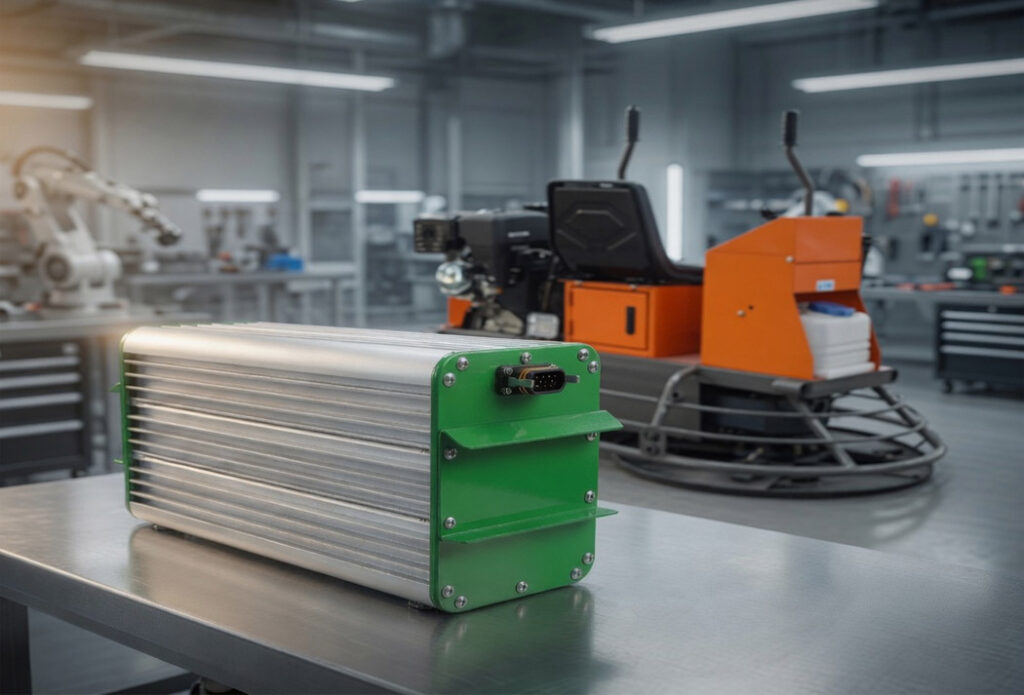
Maintenance free lithium ion batteries in parking lot cleaning machines eliminate most of these drawbacks. Typical advantages include:
- Runtime of 4–8 hours on a single charge for many commercial models, depending on tank size and settings.
- Full recharge in 2–4 hours (or faster with high-output chargers), plus safe opportunity charging during breaks without harming cycle life.
- 2,000–4,000 charge cycles versus 500–1,000 for many lead-acid packs, translating to fewer replacements and lower long-term cost.
- Stable voltage that keeps brush speed and vacuum performance consistent from start to finish of a shift.
- No acid handling, no watering, and reduced weight, which improves maneuverability and reduces floor loading.
- Lower total cost of ownership when machines operate daily or across multiple shifts.
These characteristics make lithium the practical choice when you are choosing low emission cleaning equipment for underground parking. Facilities that previously struggled with fumes, incomplete shifts, or high battery maintenance consistently report higher uptime and cleaner results after switching.
Evaluate Cleaning Performance and Water Management
Look beyond advertised theoretical productivity. Real-world coverage in a garage with columns and parked cars is usually 70–80 percent of the laboratory figure. Confirm the machine’s actual cleaning path fits your narrowest working aisles with margin. Solution and recovery tank capacities of 75–170 liters (or larger on big riders) minimize mid-shift stops for refill and dump. Strong vacuum and a well-designed squeegee leave the floor dry within minutes, which is essential for safety when vehicles and pedestrians continue to use the space.
Brush or pad pressure should be adjustable. Epoxy-coated floors require lower pressure and soft pads or red cleaning pads to avoid marring the surface; rough concrete may need higher pressure and more aggressive brushes to lift tire marks and oil. Test the machine on your actual soil with the detergents you plan to use. Special tire-mark removers and neutral cleaners exist; acidic or highly alkaline products can damage coatings and increase long-term floor repair costs.
Safety, Visibility, and Operator Features
Underground garages demand machines with clear safety features. Essential items include bright LED work lights, rotating amber warning beacons, electromagnetic or automatic parking brakes, seat-presence sensors that stop the machine when the operator stands, and anti-slip or controlled traction for ramps. Low noise levels (ideally under 70–75 dBA) allow cleaning during occupied periods without complaints. Ergonomic controls, intuitive panels, and good sightlines reduce operator fatigue on long shifts.
When how to select ride-on scrubbers for underground garages is the question, prioritize models with proven ramp grades of at least 15–18 percent, tight turning radii, and robust recovery systems. Request a site demonstration that includes your steepest ramp, narrowest turn, and typical soil load.
Calculate Total Cost and Service Support
Purchase price is only the beginning. Factor in battery replacement intervals, consumables (pads, brushes, squeegee blades, detergents), labor hours, downtime, and energy use. Lithium systems usually show a lower total cost of ownership over 3–5 years because of longer battery life, reduced maintenance labor, and higher daily productivity. Ask suppliers about local service networks, parts availability, training, and warranty terms. Machines that sit idle waiting for parts quickly erase any initial savings.
Practical Selection Checklist
- Measure total area, aisle widths, ramp grades, and headroom.
- Identify primary soils (oil, salt, dust, tire marks) and floor type (concrete, epoxy, sealed).
- Decide cleaning frequency and whether work must occur while the garage is partially occupied.
- Short-list battery-powered machines with lithium options that meet runtime and tank-capacity needs.
- Confirm safety features, lighting, and noise levels.
- Arrange on-site demos focused on your toughest areas.
- Compare five-year total cost of ownership, not just sticker price.
- Verify service coverage and operator training.