Floor scrubbers consume significant electricity across multi-shift industrial and commercial operations. Brush motors, vacuum systems, traction drives and solution pumps all draw power, and inefficient settings or outdated batteries multiply that draw. This Energy-Saving Floor Scrubber Guide: 7 Ways to Reduce Power Use delivers a practical, metrics-first decision framework for facility managers who need measurable reductions in energy cost without sacrificing cleaning performance.
Modern LiFePO₄ lithium systems, ECO modes and disciplined operating practices routinely cut energy use 15–40 % while extending usable runtime. The guidance below aligns with current 2026 OEM data from Nilfisk, Tennant and independent battery efficiency studies. Nilfisk reports that EcoFlex and SmartFlow technology can deliver up to 20 % lower energy use alongside 40 % less water and 60 % less detergent. Tennant documents up to 60 % longer runtime and 40 % faster charging with lithium-ion packs versus lead-acid.
Quick Comparison: Energy Impact Drivers
Factor
High-Power Waste Mode
Energy-Efficient Setting
Typical Savings
Cleaning mode
Continuous max / turbo
ECO or normal for routine dirt
20–35 % motor load
Brush pressure
Maximum down-force
Lowest effective pressure
15–25 % current draw
Water & suction
Full flow + high vacuum
Matched to soil load (SmartFlow / EcoFlex)
30–50 % solution + vacuum power
Battery chemistry
Lead-acid (80–85 % efficient)
LiFePO₄ (≥95 % efficient)
10–20 % grid electricity
Route planning
Overlapping / repeated passes
Zoned single-pass routes
15–30 % total energy per shift
Component condition
Worn brushes / clogged filters
Clean, sharp, properly tensioned
10–20 % motor strain
Charging practice
Full overnight only
Opportunity charging 15–40 % capacity
Reduced deep-cycle stress + higher availability
- Select the Correct Cleaning Mode
Most 2026 walk-behind and ride-on scrubbers offer ECO, normal and boost settings. Continuous use of maximum brush speed, pressure and suction for light soil wastes energy.
- Light dust / daily maintenance → ECO or water-only mode
- General traffic marks → Normal mode
- Localized heavy soil → Boost only on the affected zone
Nilfisk EcoFlex and Advance SmartFlow systems automatically adjust detergent, water and power. Operators who default to ECO for routine work report 20–35 % lower energy draw per square metre cleaned. Tennant’s economy settings for brush pressure and solution flow similarly extend runtime while reducing wear.
- Use Only the Required Brush Pressure
Higher down-force increases motor current, accelerates brush wear and can damage sensitive floors. Start at the lowest pressure that achieves the required result, then increase only where soil demands it.
Excessive pressure is one of the fastest ways to shorten both runtime and brush life. A 15–25 % reduction in average pressure frequently yields the same visual result on polished concrete, VCT and epoxy while cutting instantaneous power. - Optimise Water Flow and Suction Level
Solution pumps and vacuum motors are major continuous loads. SmartFlow-type systems that reduce water output when the machine slows already cut consumption by up to 50 %. Manual machines require the operator to select the lowest flow that still suspends soil and the lowest vacuum that recovers the solution without streaking.
Over-wetting forces the vacuum motor to work harder and increases recovery-tank dump cycles—both of which raise energy use. Nilfisk EcoFlex documentation confirms substantial combined savings in water, detergent and energy when these systems are correctly calibrated. - Plan Efficient Cleaning Routes
Repeated passes and inefficient pathing multiply total energy for the same cleaned area. Divide large facilities into zones, use straight overlapping passes of only 2–3 inches, and avoid back-tracking.
Documented area-cleaned-per-kWh is the most reliable KPI. Facilities that track this metric and refine routes routinely improve energy efficiency 15–30 %. - Keep Brushes, Filters and Squeegees in Peak Condition
Dirty or worn components force motors to work against higher mechanical resistance. Clean brushes and filters after every shift. Replace brushes and squeegee blades before performance declines rather than after.
A worn squeegee that leaves water film forces operators to make extra drying passes—directly increasing battery energy consumed per shift. - Upgrade to High-Efficiency LiFePO₄ Lithium Batteries
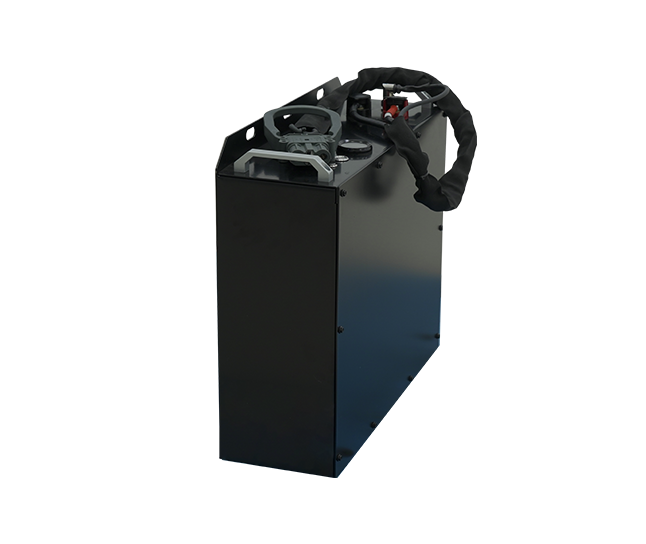
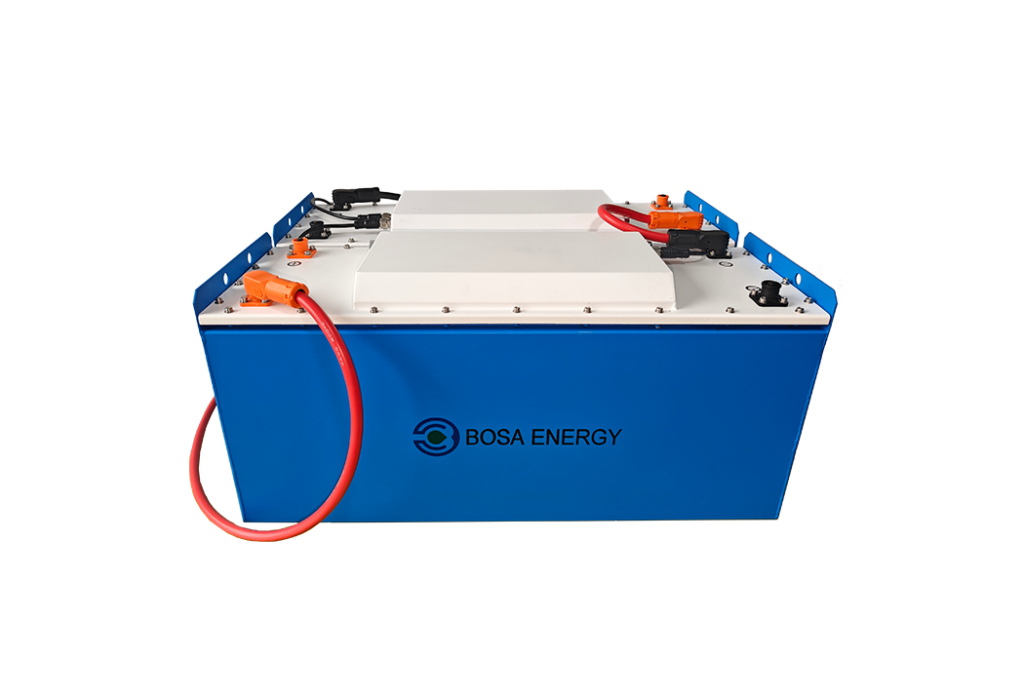
Battery chemistry is the single largest long-term lever in any Energy-Saving Floor Scrubber Guide: 7 Ways to Reduce Power Use.
Metric
plomb-acide
LiFePO₄ Lithium (2026 industrial)
Round-trip efficiency
80–85 %
≥95 %
Usable capacity
~50 % DoD recommended
80–90 % DoD safe
Cycle life at 80 % DoD
300–500
≥3,500–5,000
Charge time
6–10 h full
1–3 h; opportunity charging supported
Poids
Baseline
30–50 % lighter
Voltage stability
Noticeable sag late in shift
Flat curve until low SOC
The efficiency gap alone reduces grid electricity waste by 10–20 %. Combined with opportunity charging (adding 15–40 % capacity during short breaks) and the ability to stay above 20–30 % SOC, lithium systems deliver both lower energy cost and higher machine availability. Tennant data shows lithium packs delivering up to 60 % longer runtime and 40 % faster charging versus lead-acid. Specify packs certified to IEC 62619 and, where required, UL 2580. - Monitor Output per Charge and Practise Disciplined Charging
Track square metres cleaned per full charge (or per kWh). Set a baseline, then measure improvement after each of the above changes.
For lithium systems:
- Prefer opportunity charging of 15–40 % capacity during breaks rather than waiting for deep discharge.
- Avoid routine operation below 20–30 % SOC.
- Use the BMS data (SOC, SOH, temperature) available on modern packs to schedule preventive action before capacity fade affects shift planning.
Practical Checklist for Facility Managers
Default operators to ECO / normal mode for routine cleaning
Set brush pressure to the minimum effective level for each floor type
Verify SmartFlow / EcoFlex or equivalent is active and calibrated
Map zoned routes that minimise overlapping passes
Inspect and clean brushes, filters and squeegees at end of every shift
Confirm lithium packs are IEC 62619 (and UL 2580 if required) certified and support opportunity charging
Log area cleaned per kWh weekly and review trends monthly
Train operators on SOC 20–30 % floor and short-break opportunity charging
Decision Framework
- Measure current energy use (kWh per shift or per 1,000 m²).
- Implement operational changes 1–5 first—zero capital cost.
- Calculate payback of a LiFePO₄ retrofit using the 10–20 % efficiency gain, reduced downtime and ≥3,500-cycle life.
- Specify only batteries with proven industrial BMS, opportunity-charging capability and the relevant safety certifications.
- Re-measure after 30 and 90 days; adjust routes and settings based on data.
FAQ
How much energy can a typical walk-behind scrubber save by following this guide? ↓
Operational changes alone commonly deliver 15–30 % reduction. Adding a high-efficiency LiFePO₄ pack and opportunity charging can push total savings into the 25–40 % range depending on duty cycle. Nilfisk EcoFlex systems alone support up to 20 % energy reduction when properly used.
Do ECO modes reduce cleaning quality? ↓
No. ECO is calibrated for light-to-moderate soil. Heavy soil is still handled by boost mode applied only where needed. Independent tests and OEM data confirm equivalent results with lower energy.
Is lithium always more energy-efficient than lead-acid? ↓
Yes on a round-trip basis (≥95 % vs 80–85 %). The advantage compounds when opportunity charging and higher usable DoD are used. Tennant reports lithium packs also deliver up to 60 % longer runtime between charges.
What certifications matter for industrial scrubber batteries? ↓
IEC 62619 is the primary international standard for industrial lithium batteries. UL 2580 is frequently required for North American mobile equipment.
How often should brushes and squeegees be replaced to maintain energy efficiency? ↓
Inspect after every shift. Replace when bristle length or blade edge no longer meets OEM wear limits—typically every 100–300 hours depending on floor type and soil load.
Authoritative References
- Nilfisk EcoFlex technology: up to 20 % energy, 40 % water and 60 % detergent savings – https://www.nilfisk.com/global/professional/technology/ecoflex/
- Nilfisk mindful cleaning commitment (energy / water / detergent targets) – https://www.nilfisk.com/en-us/professional/news-and-articles/mindful-cleaning/
- Tennant lithium-ion battery technology white paper (up to 60 % longer runtime, 40 % faster charge) – https://www.tennantco.com/en_us/resources/resource-center/white-papers/lithium-ion-battery-technology.html
- Tennant: How Li-ion Batteries Boost ROI in Floor Cleaning Machines – https://www.tennantco.com/en_eu/blog/li-ion-batteries-boost-roi-floor-cleaning-machines.html
- IEC 62619:2022 Safety requirements for secondary lithium cells and batteries for industrial applications – https://webstore.iec.ch/en/publication/64073
This Energy-Saving Floor Scrubber Guide: 7 Ways to Reduce Power Use gives facility managers a clear, actionable path to lower energy costs while maintaining or improving cleaning results. Implement the operational steps immediately; evaluate a certified LiFePO₄ upgrade for the largest long-term gain. Facilities that adopt the full set of recommendations in the Energy-Saving Floor Scrubber Guide: 7 Ways to Reduce Power Use consistently report both lower electricity bills and higher machine uptime.