
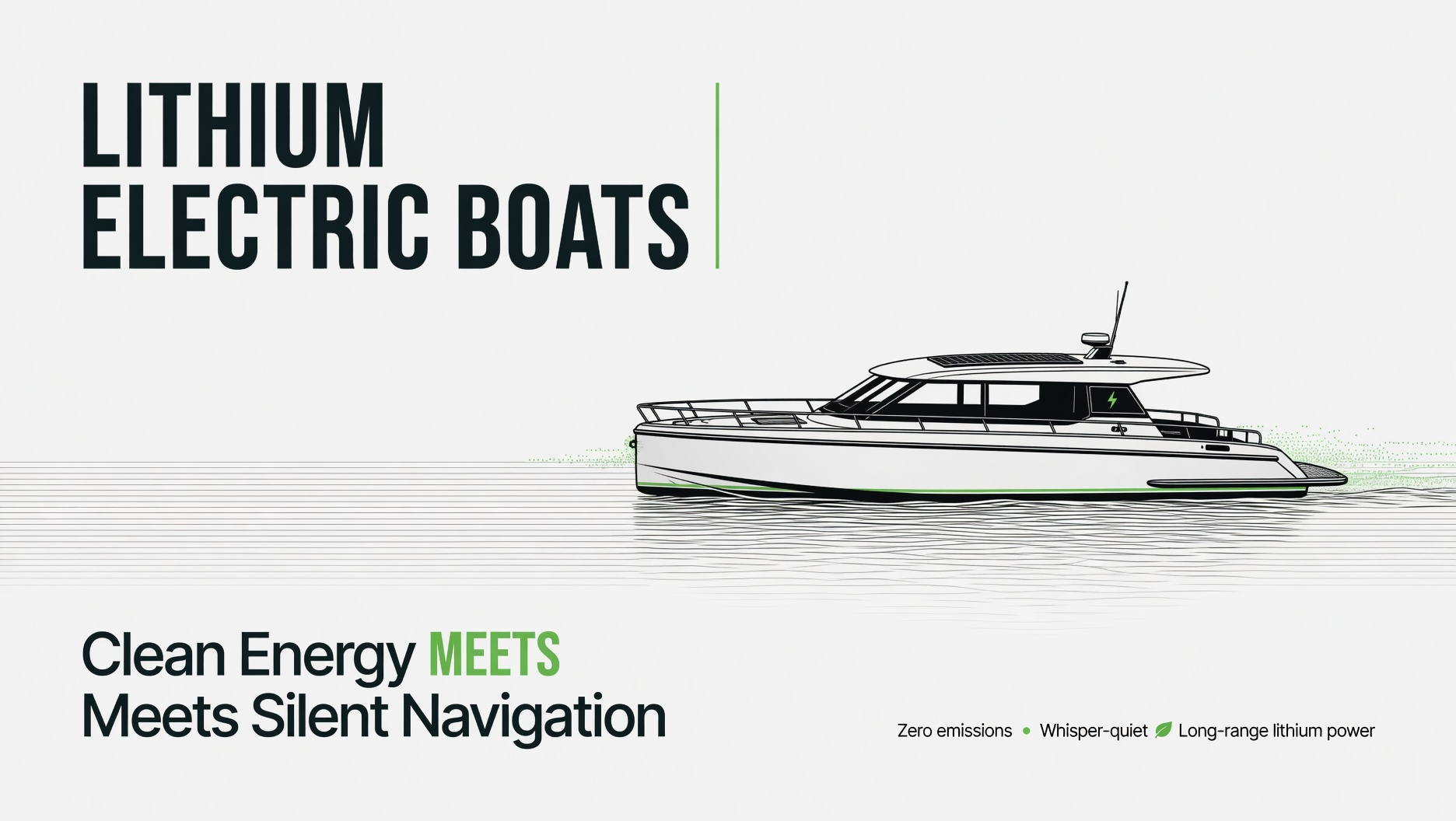
In the rapidly evolving world of marine electrification, lithium batteries for electric boats have emerged as the game-changing technology driving the shift away from traditional lead-acid systems. As global shipping faces stricter emissions regulations and operators demand higher efficiency, marine lithium battery packs are powering everything from inland tour boats to hybrid coastal tugs. This comprehensive guide explores why lithium batteries are dominating electric boats, backed by real-world technical advantages, regulatory drivers, and proven performance data from leading ship-grade solutions.
Whether you’re a boat builder, fleet operator, or marine enthusiast considering a lithium battery upgrade, understanding these advantages is key to making informed decisions that deliver long-term savings, safety, and sustainability.
The Regulatory and Market Drivers Behind Marine Lithium Battery Adoption
The rise of lithium batteries in electric boats is no accident—it stems from a perfect storm of environmental mandates, technological breakthroughs, and operational realities.
International Maritime Organization (IMO) regulations are a primary catalyst. The IMO’s 2030 strategy targets a 40% reduction in carbon intensity compared to 2008 levels, with net-zero greenhouse gas emissions targeted this century. Emission Control Areas (ECAs) in Europe, North America, and China’s inland waterways (including the Yangtze River and Bohai Bay) impose stringent limits on sulfur oxides, nitrogen oxides, and particulate matter. These rules are pushing inland vessels, ferries, and nearshore workboats toward zero-emission electric or hybrid propulsion—where high-performance Marine-Lithium-Akkus serve as the core energy storage solution.
Traditional power sources simply can’t keep up:
- Lead-acid batteries offer low energy density (30-50 Wh/kg), massive weight penalties, and short cycle life (300-500 cycles), eating into cargo space and inflating lifecycle costs.
- Diesel direct-drive systems create excessive noise, vibration, and emissions, especially at low speeds.
- Older nickel-cadmium or nickel-metal hydride chemistries suffer from memory effect and environmental concerns.
Meanwhile, the explosive growth of the electric vehicle (EV) industry has slashed lithium battery costs—from over $1,000/kWh in 2010 to under $100/kWh today—while maturing battery management systems (BMS), thermal management, and cell standardization. Shipbuilders now leverage this mature supply chain, adapting it to the harsher marine environment with IP67+ waterproofing, vibration resistance, and tilt tolerance (up to ±22.5° roll and ±10° pitch).
Modern vessels are also trending toward full electrification and automation. Hybrid diesel-electric setups for tugs and ferries use lithium batteries for peak shaving, delivering 20-30% fuel savings by keeping engines in their optimal efficiency range. Pure-electric inland tour boats and patrol vessels prioritize silence, comfort, and zero emissions—demands that only advanced lithium solutions can meet reliably.
Lithium vs. Lead-Acid: Why Lithium Batteries Outperform in Marine Applications
The core reason lithium batteries are dominating electric boats is their transformative edge over legacy lead-acid technology. Here’s a direct comparison based on real marine-grade performance:
- Geringeres Gewicht, größere Reichweite: Lithium packs weigh just 1/3 to 1/5 of equivalent lead-acid batteries. This reduces vessel displacement, boosts payload capacity, and extends effective range—critical for electric boats where every kilogram counts.
- Dramatically longer lifespan: 3,000–6,000+ cycles at 80% capacity retention (vs. 300–500 for lead-acid) translates to 3–6× longer service life and far lower total ownership costs.
- Faster charging: Full charge in approximately 2.5 hours versus 8+ hours for lead-acid, enabling quick turnaround for ferries and workboats.
- Superior power delivery: Stable voltage platform provides consistent, high-power output without the voltage sag common in lead-acid systems—delivering stronger acceleration and sustained performance.
- Wartungsfreier Betrieb: No memory effect, minimal self-discharge, excellent low-temperature performance, and no need for watering or equalization. Safety and environmental benefits are equally compelling: lithium systems are non-toxic and fully recyclable.
These advantages make lithium the clear winner for both pure-electric and hybrid marine propulsion systems.
Technical Specifications of Ship-Grade Lithium Battery Packs
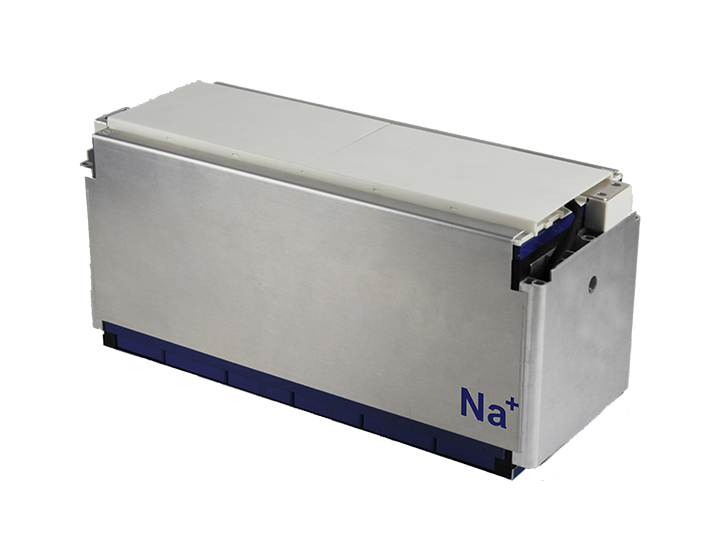
Leading marine lithium battery packs are engineered specifically for the demanding marine environment. Consider the popular 24V series (nominal 25.6 VDC) designed for direct drop-in compatibility:
| Modell | Kapazität | Abmessungen (L×B×H) | Gewicht | Maximale Ladung | Maximale Fördermenge | Impulsentladung |
|---|---|---|---|---|---|---|
| E230F24 | 230 Ah | 620 × 232 × 290 mm | 52 ±1 kg | 100 A | 200 A | 400 A @ 30 s |
| E280F24 | 280 Ah | 750 × 232 × 290 mm | 64 ±1 kg | 100 A | 200 A | 250 A @ 30 s |
| E304F24 | 304 Ah | 750 × 232 × 290 mm | 64 ±1 kg | 100 A | 200 A | 250 A @ 30 s |
| E314F24 | 314 Ah | 750 × 232 × 290 mm | 64 ±1 kg | 100 A | 200 A | 250 A @ 30 s |
Key shared features enthalten:
- Schutzart IP67 (wasserdicht und staubdicht)
- SUS304 marine-grade stainless steel enclosure with optional custom RAL colors
- Operating temperatures: Charging -20°C to 55°C (with optional heating), discharging -20°C to 60°C
- 4000+ cycles @ 25°C (standard charge/discharge, ≥80% capacity retention); up to 6000+ cycles at 80% DoD
- 5 Jahre Garantie
- Built-in heating option and automatic sleep mode for long-term storage (activates below 2.5 V for ≥10 minutes)
These packs support both protection-board and full BMS architectures, enabling flexible 2S/2P configurations or larger parallel/series arrays (up to 8–16 packs depending on setup) with Victron inverter compatibility (Phoenix, MultiPlus, MultiPlus II, and Quattro series).
Core Technical Advantages That Make Lithium Batteries Boat-Ready
Beyond basic specs, purpose-built marine lithium battery packs incorporate several engineering breakthroughs:
Uncompromising Safety
- Premium A-grade cells with inherent thermal stability
- UL94 flame-retardant materials and high-strength enclosure
- IP67 design plus marine-grade anti-corrosion coatings to combat saltwater, humidity, and salt fog
- Advanced BMS for real-time cell monitoring, overcharge/over-discharge protection, and thermal runaway prevention
- Compliance with CE, UN38.3, and emerging classification society guidelines (CCS, DNV, BV)
High Compatibility & Scalability Modular design allows easy voltage and capacity scaling while maintaining identical physical footprints. Both BMS and protection-board variants support CAN/RS485 communication for seamless integration with inverters and energy management systems.
Exceptional Charge/Discharge Performance
- Continuous 0.5C charging and 1C discharging capability
- High pulse currents for demanding maneuvers (e.g., tugboat pushing)
Ease of Maintenance & Reliability
- Modular hot-swappable architecture (single-person module replacement without full system disassembly)
- Automatic sleep functionality for idle periods
- Blue-tooth monitoring for real-time state-of-charge visibility—even in non-communicating “lead-acid replacement” mode
Proven Applications Across Vessel Types
Marine lithium battery packs are already powering diverse applications:
- Inland & lake vessels (primary market): Pure-electric tour boats, sightseeing vessels, passenger ferries, and short-haul cargo craft—prioritizing high energy density, long cycle life, and waterproofing.
- Coastal & harbor craft (fastest-growing segment): Tugs, pilot boats, dredgers, and offshore support vessels (OSVs) using high-power hybrid systems for peak shaving and instant thrust.
- Seeschiffe (emerging blue-ocean opportunity): Auxiliary power and cold-iron shore-power replacement on container ships, tankers, and ro-ro vessels, emphasizing maximum safety and redundancy.
From small speedboats to large workboats, these batteries deliver silent, emission-free operation while integrating seamlessly with existing electrical architectures.
The Future of Electric Boats Is Lithium-Powered
The dominance of lithium batteries in electric boats is the result of converging forces: tightening global emissions rules, dramatic cost reductions from the EV boom, and purpose-engineered marine features that overcome the limitations of lead-acid and diesel systems. With IP67 protection, stainless-steel durability, 4000+ cycle life, and flexible integration options, today’s ship-grade lithium battery packs are not just replacements—they are the enabling technology for the next generation of sustainable marine propulsion.
If you operate or build electric vessels, upgrading to a marine lithium battery pack represents one of the highest-ROI decisions available today—delivering lighter weight, longer life, faster charging, and unmatched reliability. Ready to electrify your fleet? The data is clear: lithium isn’t just dominating electric boats—it’s defining their future.
This article draws on established marine engineering practices and classification society standards to provide authoritative guidance for boat owners and operators.