
Le VDA355 Module is a standardized lithium-ion battery module that has become one of the most widely adopted formats in the global electric vehicle and energy storage industries. Developed under the guidelines of the German Association of the Automotive Industry (VDA), the VDA355 Module delivers a compact, versatile, and high-energy-density solution that simplifies battery pack design, manufacturing, and maintenance across passenger cars, commercial vehicles, and stationary applications.
If you are an EV manufacturer, battery integrator, energy storage developer, or even exploring custom battery projects, understanding the VDA355 Module specifications, benefits, and best practices is essential for making informed decisions in 2026 and beyond.
What is the VDA355 Module?
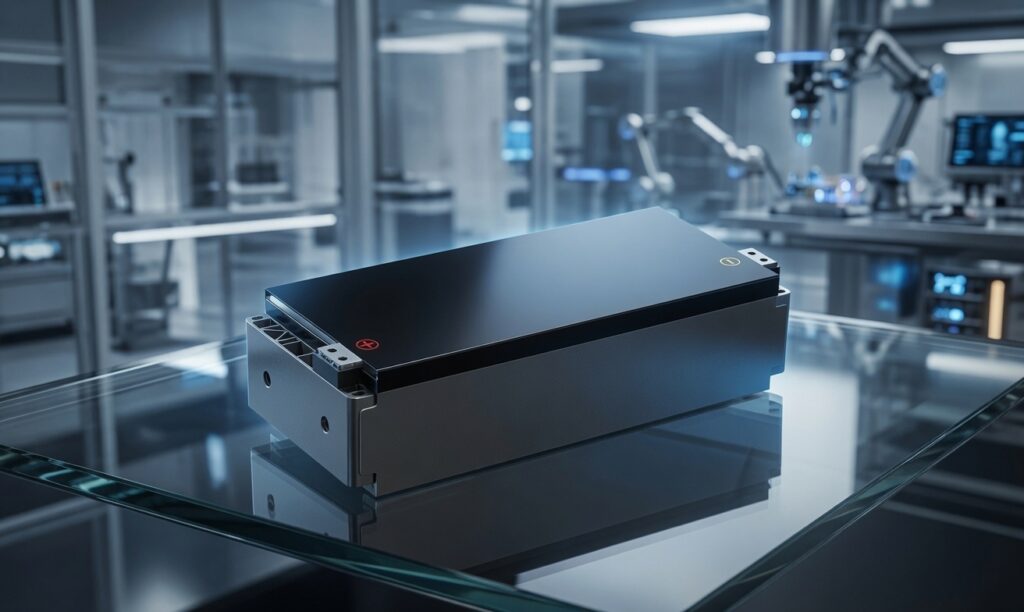
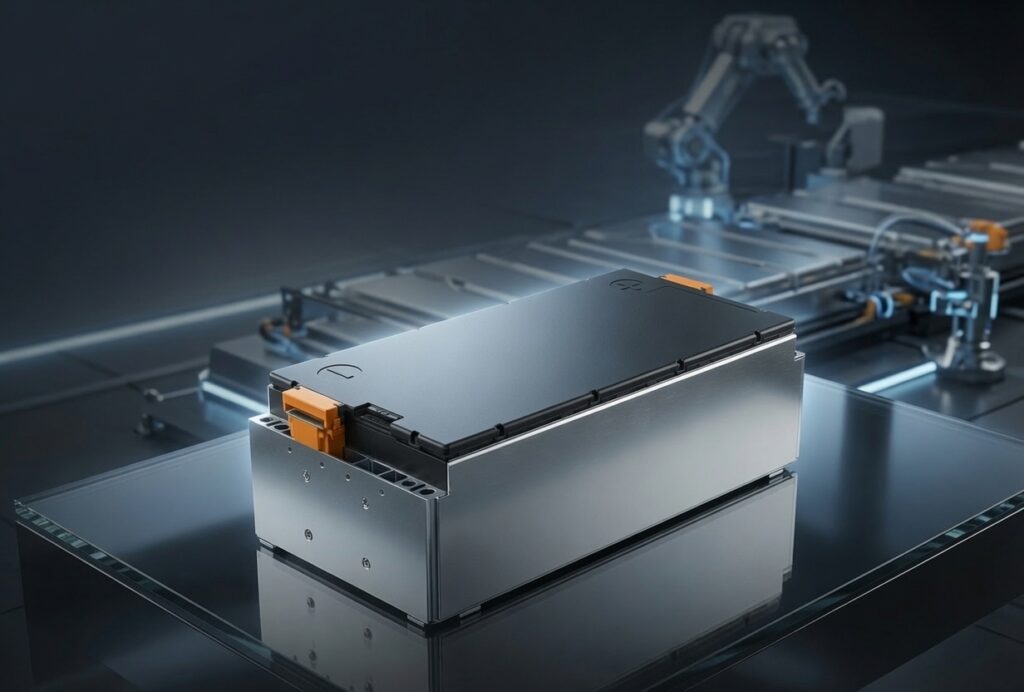
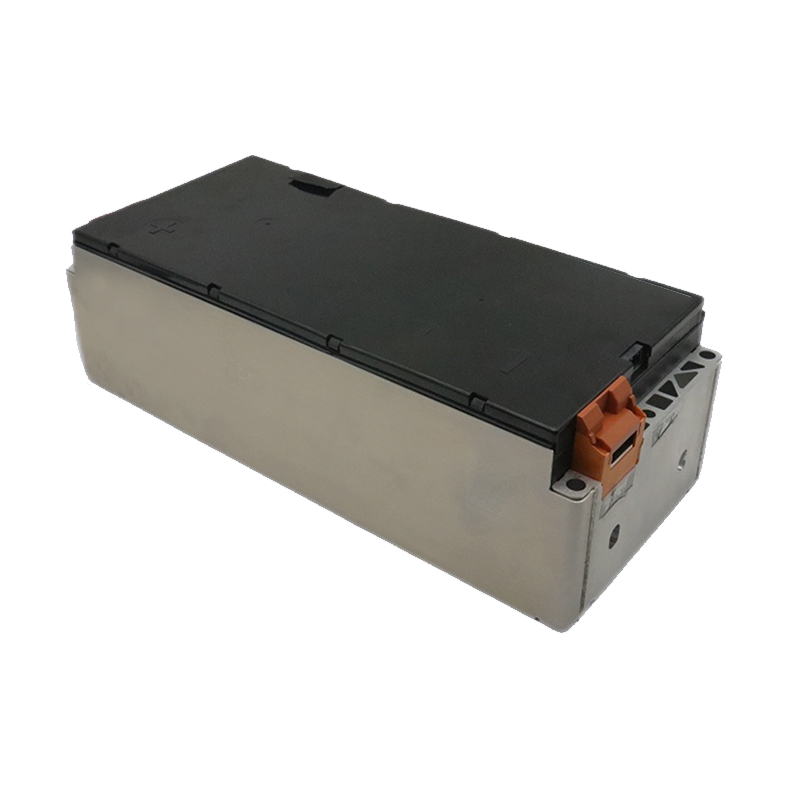
The VDA355 Module refers to a family of prismatic lithium-ion battery modules built to a standardized external envelope of approximately 355 mm in length × 151 mm in width × 108 mm in height (minor variations such as 355 × 152 × 108.5 mm exist depending on the manufacturer and internal configuration).
This standardization was introduced by VDA around 2012 to harmonize battery module dimensions. The goal was to improve interchangeability between suppliers, reduce development costs, accelerate time-to-market, and simplify vehicle integration and after-sales service. Originally popularized in Volkswagen Group platforms, the format quickly gained traction—especially in China’s rapidly expanding new energy vehicle market—where the majority of passenger car battery packs adopted the 355 mm module footprint.
Unlike proprietary module designs, the VDA355 standard allows different cell suppliers and pack manufacturers to produce compatible modules. This creates a more open ecosystem while maintaining high safety and performance requirements typical of automotive-grade components.
Key Technical Specifications of VDA355 Modules
VDA355 Modules are built around prismatic cells and are available in multiple electrical configurations (most commonly 1P4S, 2P6S, 3P4S, and 1P12S). Here are representative specifications drawn from leading manufacturers:
| Configuration | Chimie | Tension nominale | Capacité (Ah) | Nominal Energy | Approx. Weight | Typical Dimensions (L×W×H) |
|---|---|---|---|---|---|---|
| 1P4S | LFP | 12.8 V | 135 | 1.73 kWh | ~11–11.5 kg | 355 × 152 × 108.5 mm |
| 3P4S | NCM | 14.68 V | 174 | ~2.55 kWh | ~12.0–12.2 kg | 355 × 151.3 × 108 mm |
| 2P6S | NCM | 22.2 V | 116 | ~2.57 kWh | ~12 kg | 355 × 151.5 × 108 mm |
| 1P6S | NCM | 22.2 V | 102 | ~2.26 kWh | ~11–11.5 kg | 355 × 151 × 108 mm |
| 1P4S | NCM | ~14.8 V | 153 | ~2.26 kWh | ~11 kg | 355 × 151 × 108 mm |
Common features across most VDA355 Modules:
- Aluminum alloy housing for structural integrity and thermal performance
- Integrated busbars and high-voltage connectors
- Temperature sensors (typically 2 or more)
- Optional FPC (flexible printed circuit) for cell voltage monitoring
- Designed for liquid cooling integration in automotive packs
Note: Most modules do not include a full Battery Management System (BMS). An external BMS with balancing, communication, and safety functions is required for safe operation.
History and Evolution of the VDA355 Standard
The VDA355 format emerged as part of broader efforts by the German automotive industry to create modular, scalable battery architectures. It became the de facto standard for many pre-2018 EV platforms. As energy density demands grew and longer-range vehicles became the priority, larger formats such as the MEB590 Module (approximately 590 × 225 × 108 mm) were introduced around 2018 with Volkswagen’s Modular Electric Drive Toolkit (MEB) platform.
Today, both VDA355 and larger VDA-derived modules coexist. The 355 mm size remains highly relevant for:
- Compact passenger cars
- Commercial vehicles with space constraints
- Aftermarket and second-life applications
- Cost-sensitive energy storage projects
Advantages of VDA355 Battery Modules
The enduring popularity of the VDA355 Module stems from several clear engineering and commercial benefits:
- Excellent versatility and supply chain flexibility — Multiple cell makers (CALB, Sunwoda, and others) produce modules to the same external dimensions, giving pack designers more sourcing options and better price competition.
- High energy density in a compact footprint — Ideal for vehicles where space is limited but range and performance are critical.
- Simplified pack integration — Standardized mounting points, cooling interfaces, and electrical connections reduce engineering time and tooling costs.
- Improved maintainability and second-life potential — Modules from different vehicles are more likely to be physically interchangeable, supporting repair, remanufacturing, and stationary storage reuse.
- Proven automotive-grade reliability — Designed to meet stringent vibration, thermal, and safety requirements of global OEMs.
- Cost efficiency at scale — Standardization lowers per-unit costs for both new production and aftermarket supply.
Common Applications of VDA355 Modules
Electric Vehicles & PHEVs Primary use case in many Chinese and some European passenger car platforms. Also used in light commercial vehicles and certain medium-duty trucks.
Stationary Energy Storage (BESS) Increasingly popular for commercial and industrial storage systems where the compact form factor allows dense packing. Pallet quantities are sometimes available on secondary markets.
Marine, Mining & Industrial Equipment Used in electric ships, mining machinery, AGVs, and material-handling equipment that require robust, high-density battery solutions.
Custom & DIY Battery Projects Enthusiasts and small integrators source VDA355 modules for off-grid storage, EV conversions, and prototype builds. However, these projects require significant electrical and mechanical engineering expertise.
Important Considerations When Using VDA355 Modules
While the VDA355 Module offers many advantages, several factors must be carefully evaluated:
Chemistry Selection Matters NCM (Nickel-Cobalt-Manganese) variants deliver higher energy density but carry greater thermal runaway risk and typically shorter cycle life compared with LFP (Lithium Iron Phosphate). LFP modules are generally preferred for stationary storage and applications where safety and longevity are paramount.
BMS and System Integration Most VDA355 Modules require a professional-grade external BMS. Proper cell balancing, over/under-voltage protection, temperature monitoring, and CAN-bus communication are non-negotiable for safe, long-term operation.
Gestion thermique Automotive modules are designed for liquid cooling. In stationary or DIY applications, adequate thermal design (liquid or high-performance air cooling) is essential, especially with NCM chemistry.
Sourcing and Quality New modules from reputable manufacturers come with full datasheets and traceability. Used modules from EV dismantling or auctions can offer attractive pricing but require thorough inspection, capacity testing, and verification of internal condition.
Regulatory and Safety Compliance High-voltage battery systems must comply with local electrical codes, transportation regulations (UN38.3, etc.), and fire safety standards. Professional installation and certification are strongly recommended.
VDA355 Modules in DIY and Custom Projects
The growing availability of VDA355 Modules on secondary markets has sparked interest among DIY battery builders and solar enthusiasts. While technically feasible, these projects are not plug-and-play.
Successful implementations typically involve:
- Custom aluminum or steel enclosures with proper IP rating
- High-quality BMS with active balancing
- Robust busbar and fusing design
- Comprehensive thermal management
- Fire detection/suppression considerations (especially important for NCM)
Many experienced builders strongly prefer LFP chemistry for home or occupied-space installations due to its superior thermal stability.
The Future of Standardized Battery Modules
Standardization efforts like VDA355 have proven their value by accelerating EV adoption and lowering costs. As the industry moves toward even higher energy densities, solid-state cells, and 800 V+ architectures, new module standards will continue to evolve. However, the VDA355 format is expected to remain relevant for years in compact vehicles, commercial applications, replacement parts, and second-life energy storage.
Manufacturers continue to refine internal cell stacking, cooling efficiency, and monitoring capabilities within the same external envelope, ensuring the platform stays competitive.
Frequently Asked Questions About VDA355 Modules
What does VDA stand for? VDA stands for Verband der Automobilindustrie — the German Association of the Automotive Industry, which established the dimensional and interface guidelines for these modules.
What are the exact dimensions of a VDA355 module? The standard size is approximately 355 mm × 151 mm × 108 mm. Slight variations (±1–2 mm) exist between manufacturers.
Can I use VDA355 modules for home solar battery storage? Yes, many people do, but it requires professional-grade BMS, proper enclosure, thermal management, and safety systems. LFP chemistry is strongly recommended over NCM for residential use.
What is the difference between VDA355 and MEB590 modules? VDA355 is the smaller (~355 mm) format popular before 2018. MEB590 is a larger (~590 mm) module introduced with Volkswagen’s MEB platform for higher capacity and improved energy density in longer-range vehicles.
Do VDA355 modules include a BMS? Most do not. They typically include basic sensors and monitoring harnesses, but a full BMS must be added externally.
How long do VDA355 modules last? Cycle life varies significantly by chemistry, depth of discharge, temperature, and charging protocol. Automotive-grade NCM modules often achieve 1,000–2,000+ cycles; high-quality LFP modules can exceed 3,000–6,000 cycles under optimal conditions.
Where can I buy VDA355 modules? New modules are available directly from manufacturers and authorized distributors. Used or surplus modules sometimes appear on industrial auction platforms in pallet quantities.
Conclusion
Le VDA355 Module represents a successful example of industry standardization that has helped accelerate the electrification of transportation and expand energy storage possibilities. Its combination of compact dimensions, high energy density, and cross-supplier compatibility makes it a practical choice for a wide range of applications.
Whether you are designing a new EV platform, building a commercial energy storage system, or exploring advanced DIY battery projects, the VDA355 format offers proven performance when paired with proper engineering, high-quality components, and rigorous safety practices.
For the latest datasheets, configuration options, or guidance on integrating VDA355 Modules into your specific project, consult with qualified battery system engineers or reputable suppliers who can provide application-specific support.
This article is provided for informational purposes. Always verify specifications with the module manufacturer and engage certified professionals for any high-voltage battery system design, installation, or modification.