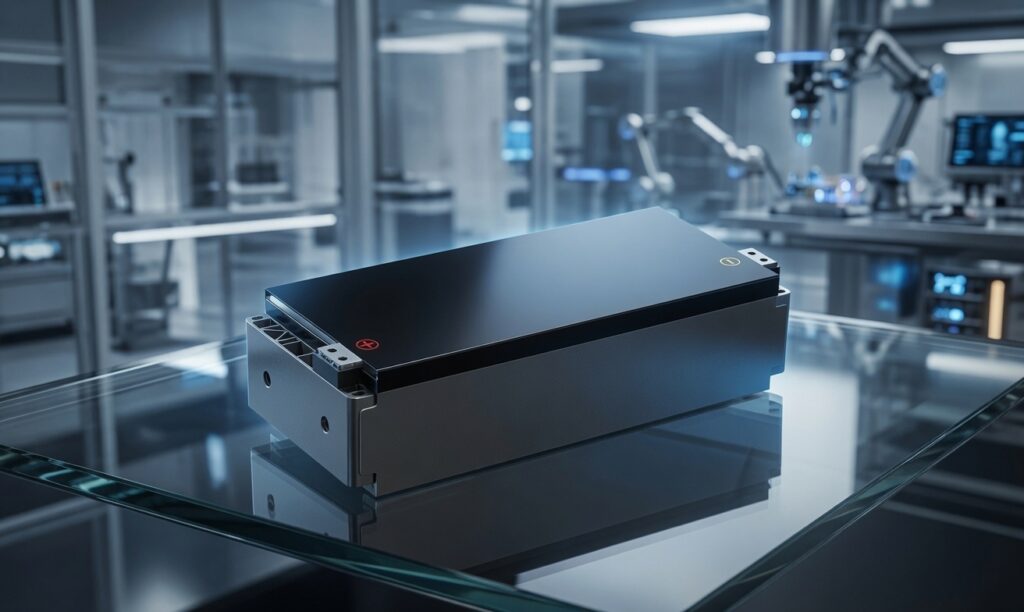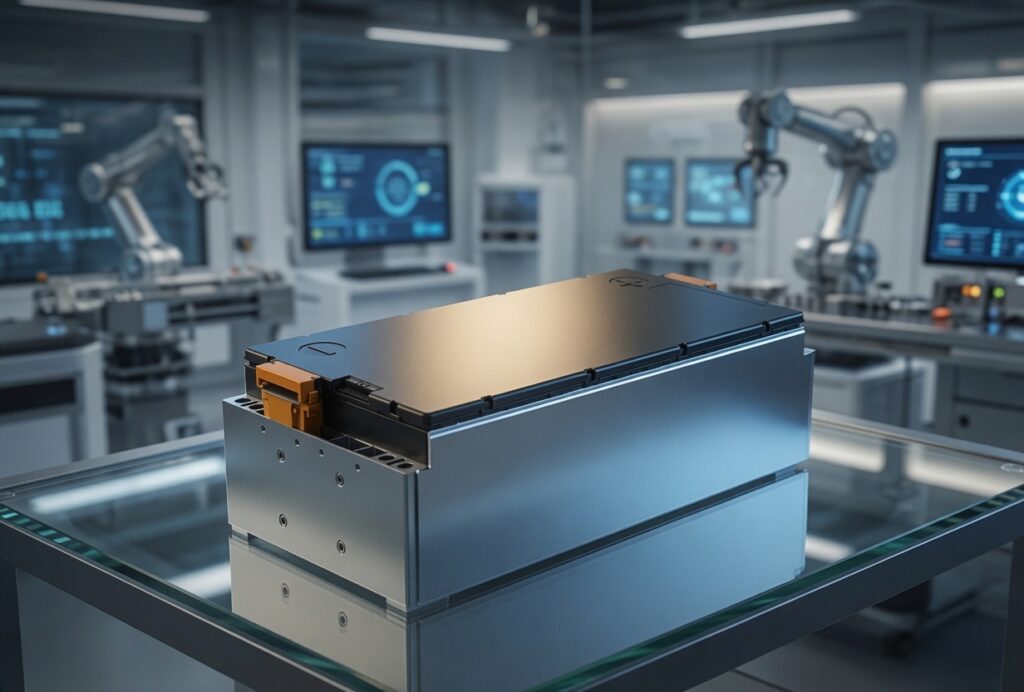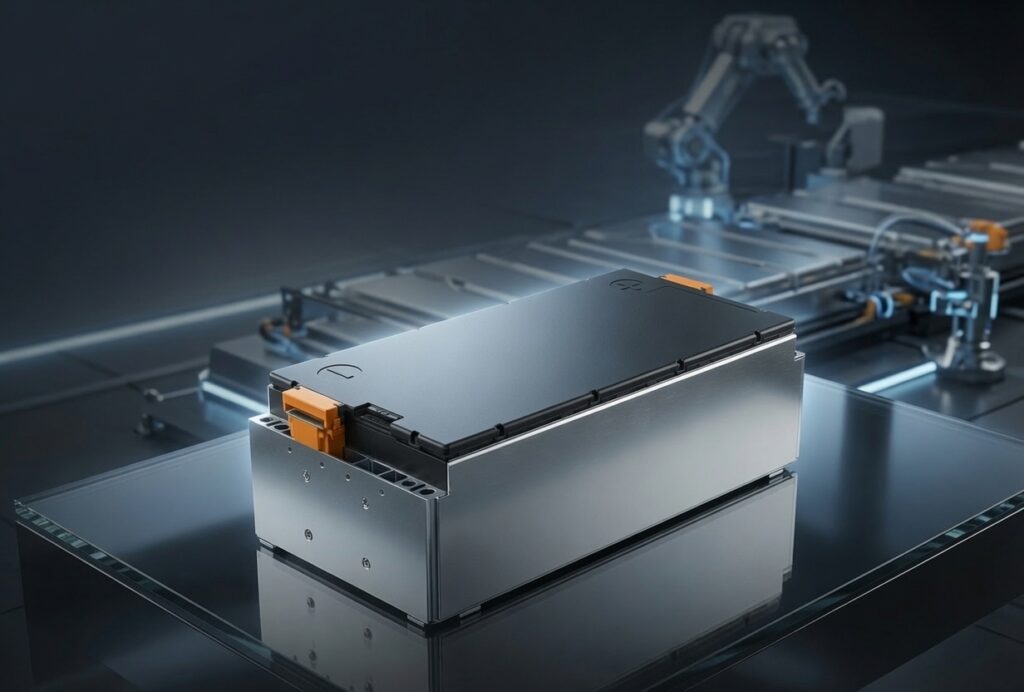

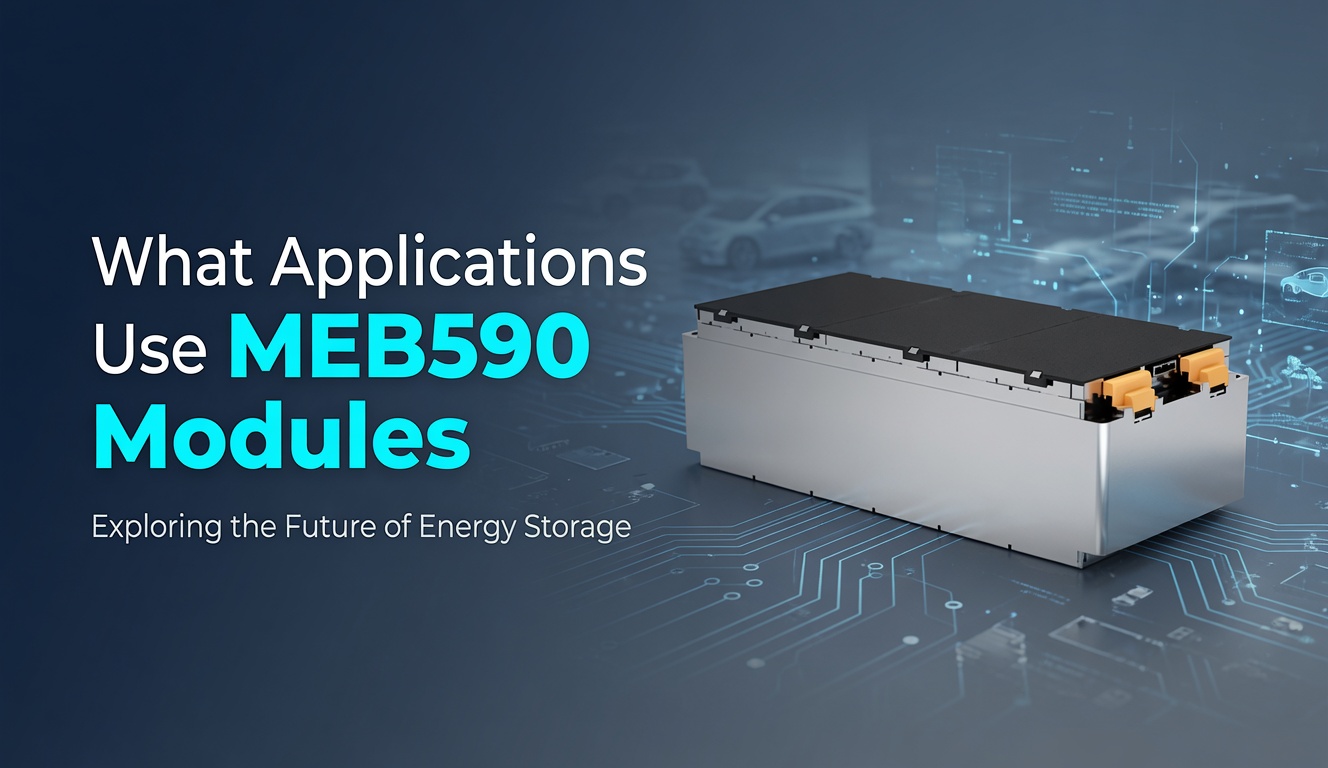
MEB590 modules (also known as VDA590 modules) are standardized, high-energy-density lithium-ion battery modules that have become a cornerstone of modern electric vehicle design. Originally developed as part of Volkswagen’s Modular Electric Drive Toolkit (MEB) platform, these modules deliver excellent energy density, scalability, and cost efficiency.
If you’re researching MEB590 battery module applications, whether for electric vehicles, energy storage, or industrial projects, this guide explains exactly where and why they are used.
What Are MEB590 Modules?
MEB590 modules follow the VDA (German Association of the Automotive Industry) standard but in a larger format optimized for higher capacity and range. Typical specifications include:
- Abmessungen: Approximately 590 × 225 × 108–110 mm
- Gewicht: ~31–31.4 kg per module
- Chemie: NMC (Nickel Manganese Cobalt) prismatic cells
- Energy per module: 6.66–6.85 kWh
- Energiedichte: 221–230 Wh/kg
- Common configurations: 1P12S (e.g., 147–169 Ah), 2P8S (e.g., 113–227 Ah)
- Nennspannung: Often ~29.6 V or ~44.4 V depending on configuration
- Lebenszyklus: Typically 1,200+ cycles at 80% depth of discharge (varies by manufacturer and conditions)
Primary Application: Electric Vehicles (EVs)
The original and most widespread use of MEB590 modules is in battery electric vehicles (BEVs).
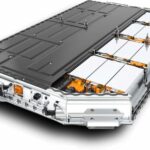
Volkswagen’s MEB platform (used in the ID.3, ID.4, ID. Buzz, and many other models) relies on these large-format modules. Multiple modules are connected in series and parallel to create complete battery packs ranging from ~45 kWh to over 80 kWh.
Key benefits in EVs:
- Higher pack-level energy density and improved driving range
- Excellent group efficiency (up to 92% in some designs)
- Reduced overall system cost and weight through standardization
- Simplified thermal management and structural integration (modules sit in the vehicle floor)
- Faster development cycles for OEMs thanks to the open MEB platform
Other manufacturers and conversion companies also adopt MEB590-compatible modules because the standardized dimensions and interfaces lower engineering and tooling costs.
Secondary Applications of MEB590 Modules
While designed for passenger EVs, the modular nature of MEB590 batteries makes them attractive for other sectors:
1. Energy Storage Systems (ESS) & Solar Storage
Repurposed or new MEB590 modules are increasingly used in stationary battery energy storage. Their high energy density allows compact, high-capacity systems for commercial and industrial solar storage, peak shaving, and backup power. The standardized form factor simplifies rack design and scalability.
2. EV Conversions & DIY Electric Vehicle Projects
Enthusiasts and conversion specialists frequently use salvaged or new MEB590 modules. The modules’ integrated cooling channels, high continuous discharge capability, and known performance characteristics make them popular for custom electric cars, vans, and even small trucks.
3. Commercial & Industrial Vehicles
Some manufacturers adapt MEB590-style modules for:
- Electric buses and delivery vans
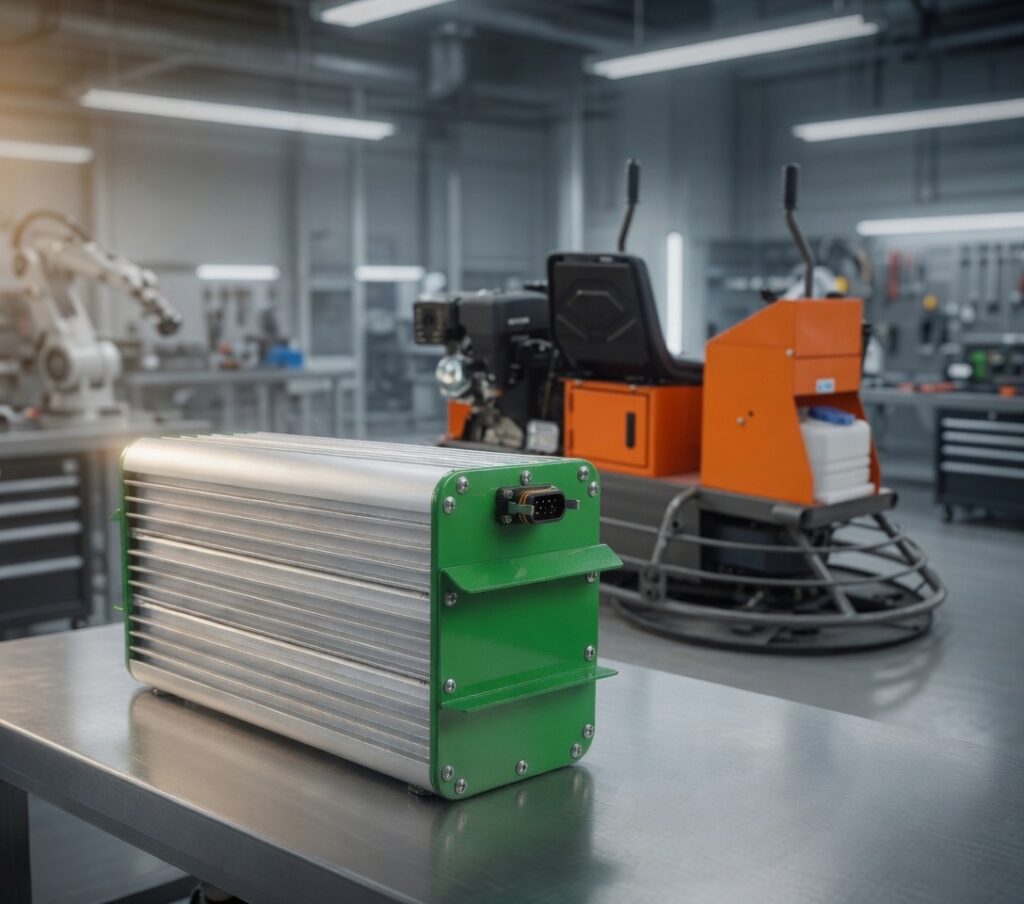
- Mining and construction equipment
- Material handling (certain high-performance forklifts and AGVs)
The high power density supports demanding duty cycles when properly configured with robust BMS and thermal systems.
4. Marine and Specialty Applications
A growing number of projects explore MEB590 modules for electric boats, hybrid marine vessels, and specialized equipment where weight savings and energy density are critical. Proper IP-rated enclosures and marine-certified BMS are essential in these environments.
Why MEB590 Modules Excel in These Applications
MEB590 modules stand out because of several engineering advantages:
- Standardization — Common dimensions and interfaces across suppliers reduce supply chain risk and development time.
- High Energy Density — NMC chemistry delivers more range or capacity per kilogram than many LFP alternatives.
- Thermal Performance — Designed with integrated cooling interfaces that work efficiently in liquid-cooled packs.
- Cost Efficiency at Scale — Higher group efficiency and fewer modules per pack lower overall BOM and assembly costs.
- Bewährte Zuverlässigkeit — Millions of kilometers of real-world use in Volkswagen MEB vehicles provide extensive field data.
Important Considerations
Before selecting MEB590 modules for your project, evaluate:
- Chemistry Trade-offs — NMC offers superior energy density but generally lower cycle life and different safety characteristics compared with LFP. Applications prioritizing maximum safety and ultra-long life (e.g., some floor sweepers or stationary storage) may prefer LFP alternatives.
- BMS and Thermal Management — A high-quality Battery Management System and proper liquid cooling are non-negotiable for safety and longevity.
- Sourcing — New modules from certified manufacturers (with UN38.3, IEC 62619, etc.) versus used modules from decommissioned packs require different validation approaches.
- Regulatory Compliance — Transportation, installation, and end-use certifications vary by region and application.
Summary: Where MEB590 Modules Are Used Today
| Application | Why MEB590 Modules Fit | Typical Configuration Approach |
|---|---|---|
| Passenger EVs | High energy density, range, cost efficiency | 7–12+ modules per pack |
| Energy Storage (ESS) | Compact high-capacity systems | Rack-mounted, often repurposed |
| EV Conversions | Known performance, cooling integration | Custom series/parallel arrangements |
| Commercial/Industrial | Power density for demanding duty cycles | Reinforced packs with advanced BMS |
| Marine/Specialty | Weight savings and energy density | Custom IP-rated enclosures |
MEB590 modules have moved far beyond their original Volkswagen roots. Their combination of performance, standardization, and proven field data makes them a go-to choice for anyone building high-performance electric systems.
Whether you’re an EV manufacturer, energy storage integrator, conversion specialist, or industrial equipment designer, understanding the capabilities and ideal use cases of MEB590 modules helps you make informed decisions.
Need help selecting the right MEB590 configuration or comparing it with other standards (VDA355, custom LFP modules, etc.)? Feel free to reach out to reputable suppliers or battery engineering specialists for project-specific guidance.
This article is based on publicly available technical data from manufacturers and industry sources as of 2026. Always verify latest specifications and certifications with your chosen supplier.