
The main components of a microgrid include:
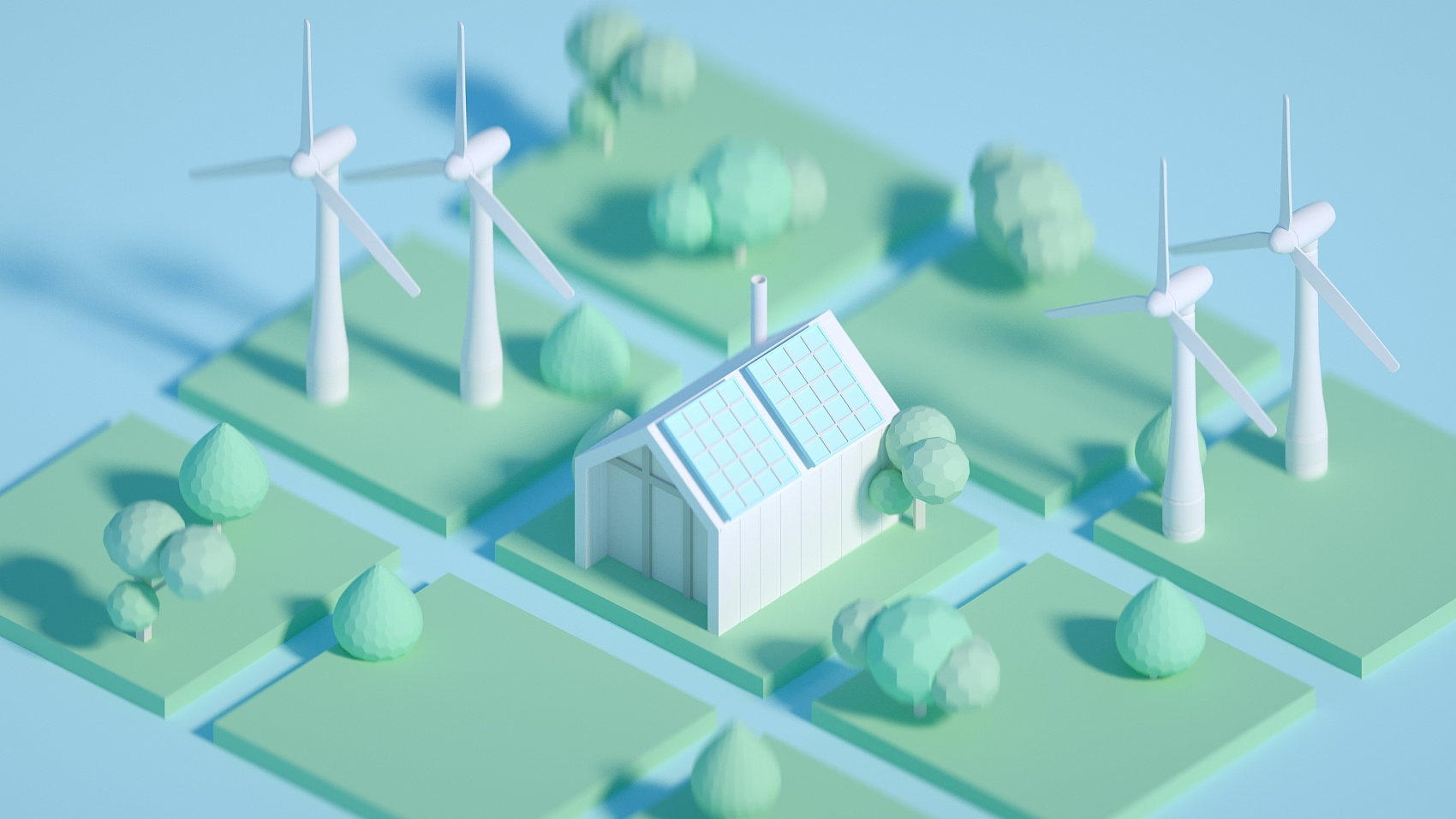
① Power supply. This includes distributed renewable energy sources, energy storage devices, gas turbines, diesel generators, etc., which adjust their output according to instructions from the central controller to respond to system demand.
② Control system. This includes inverters, combiner boxes, wiring harnesses, etc., which coordinate the energy management of the internal power supply, centrally process information including load demand, power forecasting, operating status, energy storage system status, and flexible load participation, and generate power commands based on optimization algorithms.
③ Energy storage system. Currently, this mainly consists of electrochemical energy storage represented by lithium-ion batteries, including battery packs, BMS, EMS, PCS, and other electrical equipment. It charges and stores power when there is excess supply and discharges power when load demand is high, ensuring the power supply and demand balance of the microgrid.
④ Communication System. The communication system is the nerve center of the microgrid, ensuring real-time information transmission and rapid command response between the central controller and various control units. In grid-connected microgrids, it also handles communication with the external power grid.
⑤ Load. This includes fixed loads and flexible loads. Fixed loads must maintain their normal operating power, while flexible loads can be reduced or postponed according to control signal requirements.
Currently, there are two main interaction modes between grid-connected microgrids and the main grid: self-consumption with surplus power fed into the grid, and full grid connection. In the self-consumption with surplus power fed into the grid mode, the owner builds the microgrid on their own land or rooftop, essentially a self-supplied power plant. Most of the generated electricity is used for their own consumption, with the surplus sold to the grid to reduce reliance on grid purchases. In the full grid connection mode, the microgrid is treated as a small-scale renewable energy generator, selling the generated electricity directly to the main grid. The microgrid project owner signs a grid connection and dispatch agreement and a power purchase agreement with the grid company, specifying electricity calculation, pricing, billing, and dispatch management methods.