
The Two Fronts of the Heavy-Duty Revolution
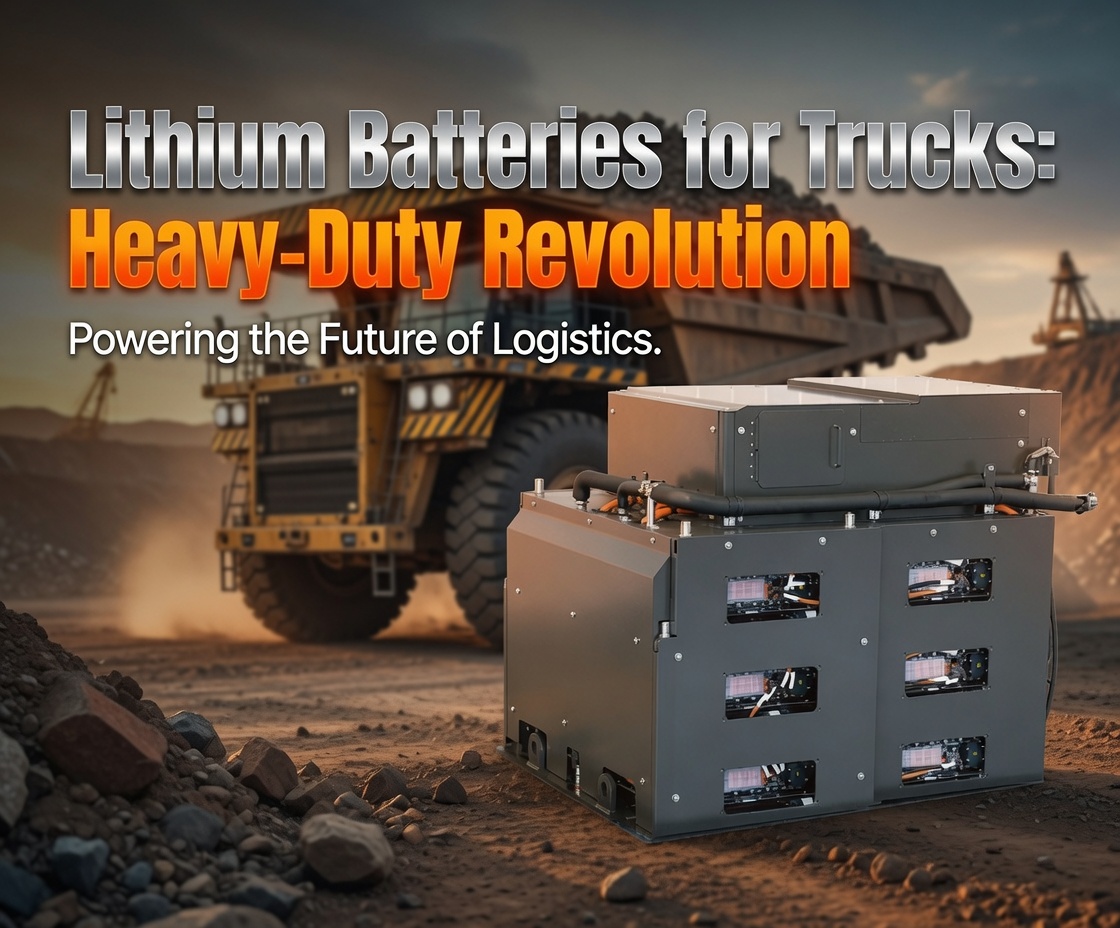
Lithium Batteries for Trucks: Heavy-Duty Revolution is advancing on two parallel fronts in 2026.
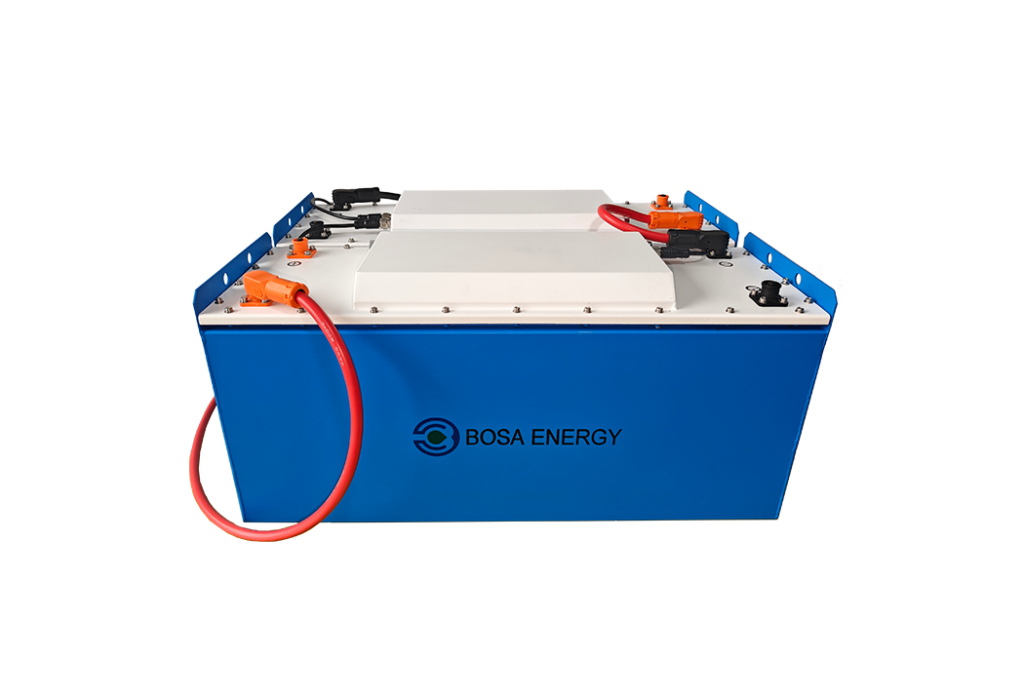
The first is the rapid replacement of traditional lead-acid starting and auxiliary power unit (APU) batteries on diesel and hybrid trucks. LiFePO₄ (lithium iron phosphate) drop-in Group 31 packages now deliver higher cold-cranking amps, near-zero maintenance, and dramatic weight reduction while fitting the exact same battery boxes.
The second is the full electrification of Class 8 tractors. Production Tesla Semi units (Standard Range 548 kWh / Long Range 822 kWh), Volvo VNR Electric (up to 565 kWh), and Freightliner eCascadia (up to 438 kWh) are moving from limited deployments into volume operations. These traction packs—whether NMC/NCMA for maximum energy density or LFP for maximum cycle life and safety—represent the largest lithium battery systems yet fielded in commercial road transport.
Both fronts share the same core advantages: higher usable energy, longer service life, lower total cost of ownership, and the ability to support modern high-power electrical loads that lead-acid systems simply cannot sustain.
LFP Chemistry: Why It Wins for Trucks
For the majority of heavy-duty truck applications—starting, APU, sleeper hotel loads, and many regional electric routes—lithium iron phosphate has become the preferred chemistry. The reasons are practical:
- Thermal stability with decomposition temperatures near 270 °C, far higher than typical NMC formulations
- Cycle life of 3,500–6,000+ full cycles at 80 % depth of discharge under real-world conditions
- Excellent tolerance to vibration, shock, and wide temperature swings when paired with a proper Battery Management System (BMS)
- Lower cost per cycle over the life of the vehicle
- Ability to accept high charge rates from modern high-output alternators or DC fast chargers without the absorption-phase limitations of lead-acid
NMC and NCMA chemistries remain important where maximum energy density is required for long-haul electric ranges (as in the Tesla Semi’s 4680-cell packs). For starting batteries, dual-purpose APU systems, and many regional BEV routes, LFP delivers the best combination of safety, longevity, and total cost.
Key Performance Metrics That Matter on the Road
Operators care about four outcomes: reliable starts every morning, consistent power for hotel and APU loads, minimal unplanned downtime, and predictable cost per mile. The table below shows the practical differences.
| Metric | LiFePO₄ Lithium (Group 31 / Traction) | Traditional Lead-Acid (AGM/Flooded) | Diesel (Baseline) | Practical Advantage |
|---|---|---|---|---|
| Cycle / Service Life | 3,500–6,000+ cycles at 80 % DoD | 300–500 Zyklen | Engine overhauls | Lithium |
| Nutzbare Kapazität | 90–100 % | ~50 % | N/A | Lithium |
| Weight (typical Group 31) | 25–30 lb | 60–70 lb | N/A | Lithium |
| Cold-Cranking Consistency | Stable, high CCA with BMS heating | Significant CCA drop below 32 °F | Fuel gelling risk | Lithium |
| Voltage Sag Under Load | Minimal | Pronounced | N/A | Lithium |
| Wartung | Near-zero (BMS-managed) | Watering, cleaning, equalization | High | Lithium |
| Self-Discharge | <3 % per month | 5–15 % per month | N/A | Lithium |
| Opportunity / Fast Charging | Fully supported | Limited / damaging if frequent | N/A | Lithium |
| Typical Payback | 2–5 years (starter) / 4–7 years (BEV) | Higher lifetime cost | — | Lithium |
These figures reflect current industrial and commercial truck battery performance in 2026, not laboratory ideal conditions.
Starter and Auxiliary Lithium Batteries for Diesel Fleets
A typical four-battery Group 31 AGM bank weighs approximately 260–280 lb. An equivalent LiFePO₄ bank weighs under 120 lb—freeing 140–160 lb of payload or improving fuel economy over hundreds of thousands of miles. The same lithium batteries deliver higher and more consistent cold-cranking amps, maintain voltage under heavy inverter or APU loads, and eliminate the weekly watering and corrosion cleaning that still consume technician hours in many fleets.
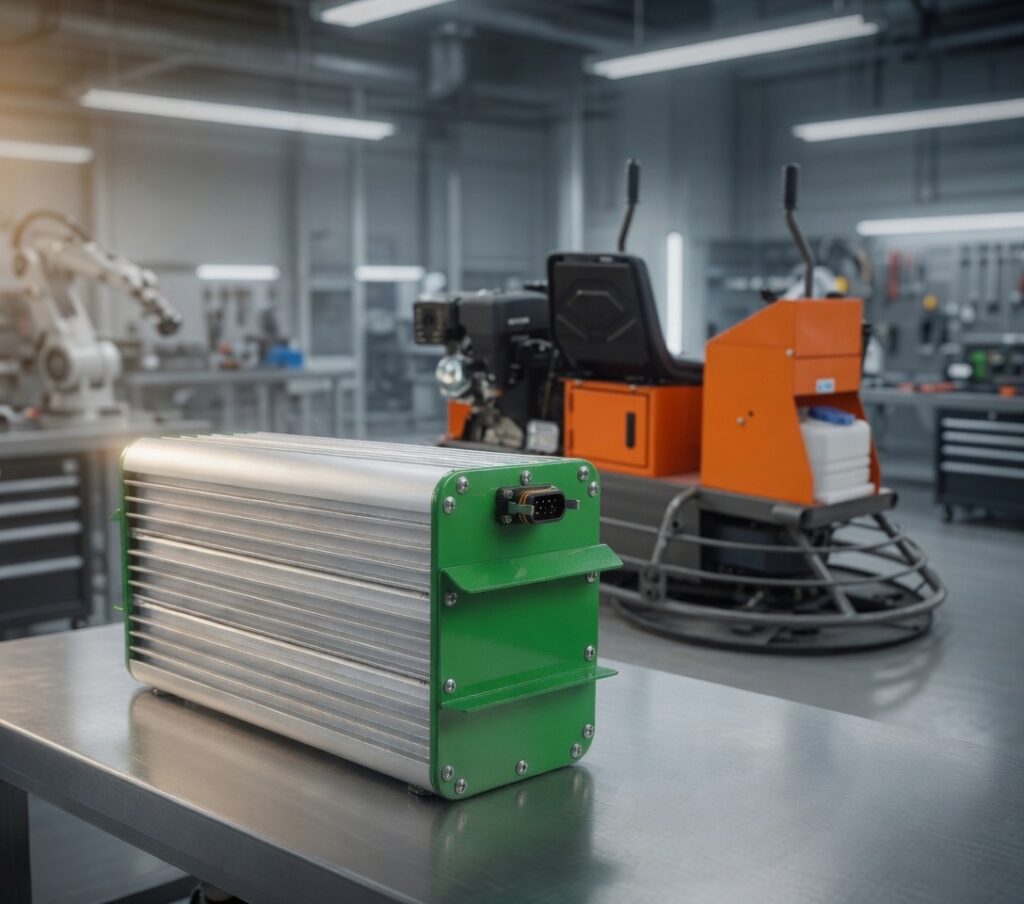
Modern truck lithium batteries incorporate a sophisticated BMS that balances cells, protects against over-charge, over-discharge, and extreme temperatures, and often includes Bluetooth connectivity so drivers or fleet managers can monitor state of charge, voltage, current, and temperature from a phone. Many premium units also contain internal heating elements that activate below freezing, ensuring reliable starts even after multi-day parking in northern winters.
Installation is usually a direct drop-in: same Group 31 footprint, same cable terminals, typically completed in under 30 minutes per truck. The result is higher fleet availability and lower electrical-system-related road calls—the quiet but expensive failures that still plague lead-acid fleets.
Total Cost of Ownership: The Numbers That Decide
Upfront cost is higher. Lifetime cost is almost always lower.
A quality LiFePO₄ Group 31 bank typically outlasts three to five sets of AGM batteries while eliminating watering labor, reducing road calls, and returning payload or fuel savings every mile. On the electric side, energy cost per mile is a fraction of diesel, maintenance intervals lengthen dramatically, and high-utilization regional fleets commonly report payback windows of 4–7 years once fuel, maintenance, and productivity gains are included.
The fleets that treat lithium as a pure capital expense miss the larger picture. The fleets that model total cost of ownership—including downtime, payload, and driver productivity—are the ones already converting.