
1. What is Energy Storage? — A Giant “Power Bank”
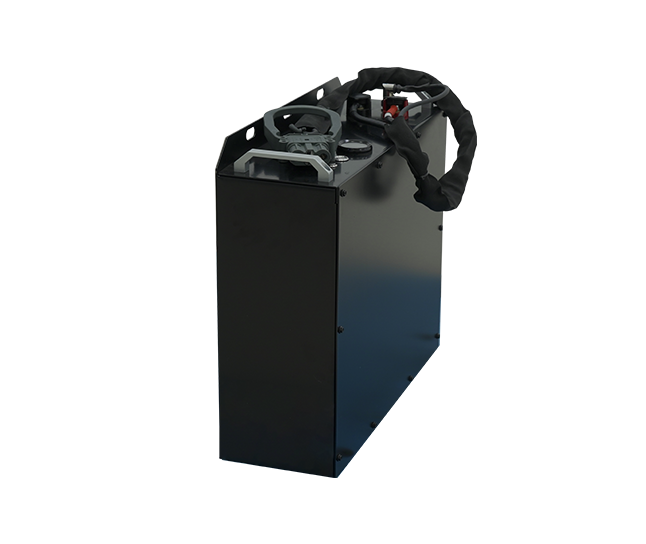
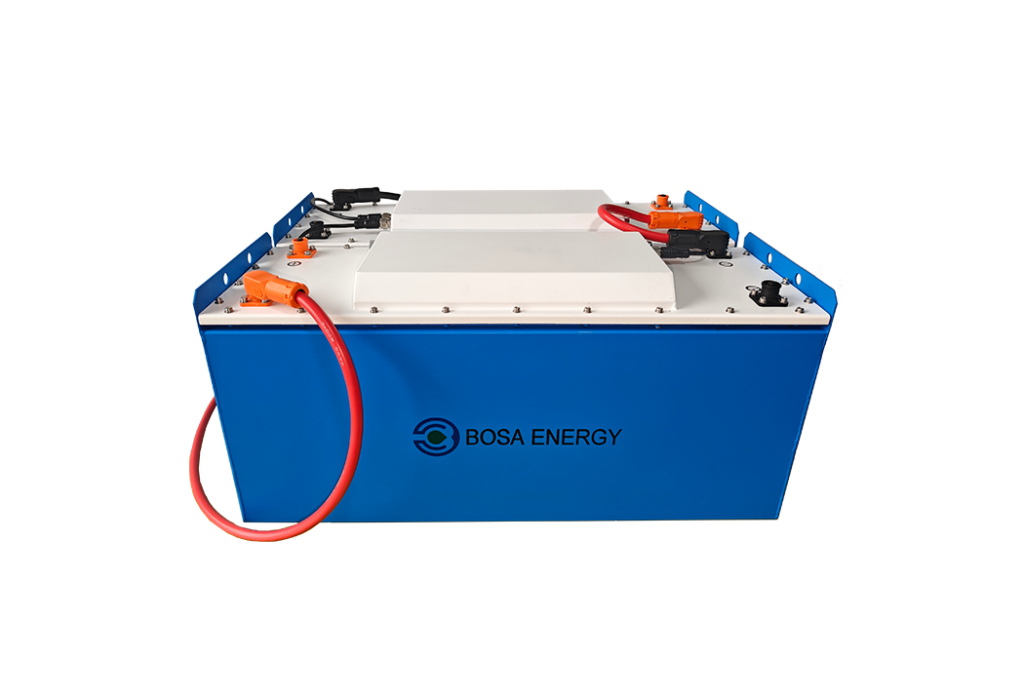
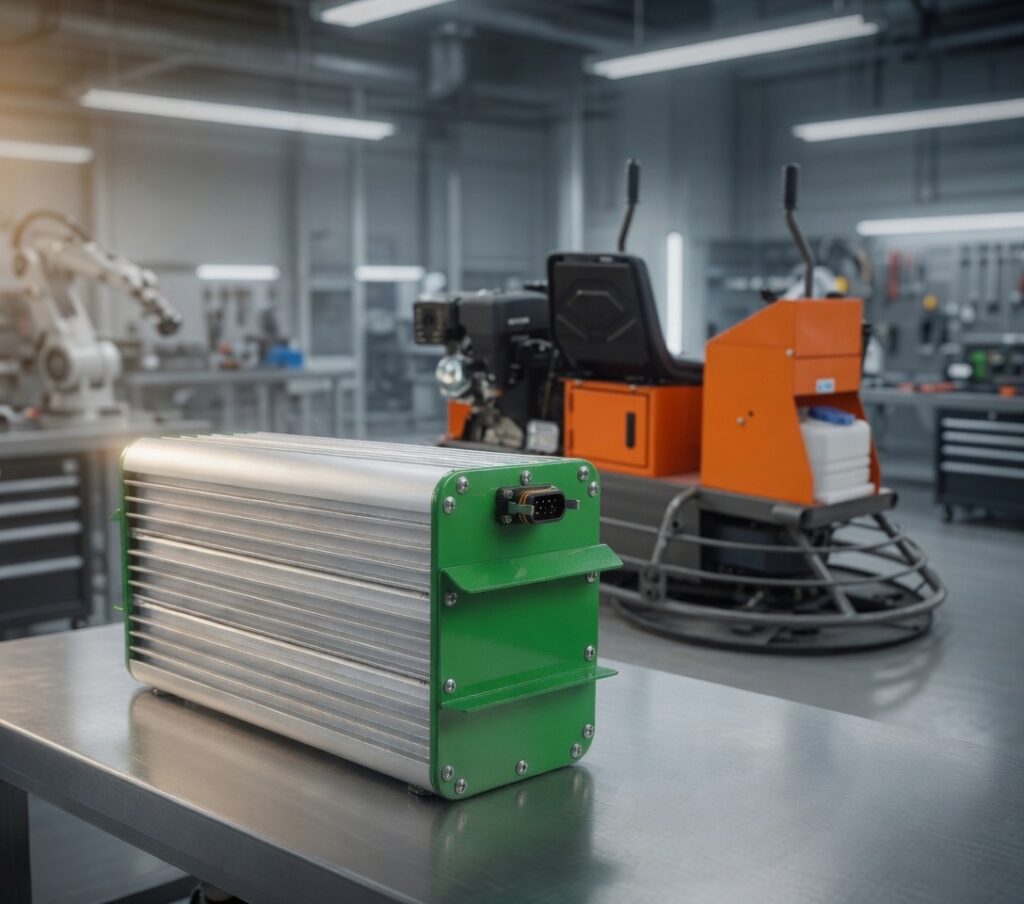
In the simplest terms: Energy storage is like a super-sized, industrial-grade “power bank.” It charges when electricity is cheap or there is surplus renewable energy (such as solar and wind power), and discharges when electricity is expensive or needed, making money or saving money by “buying low and selling high” electricity.
2. Why Develop Energy Storage? — To Solve Three Major Problems
Solving the “Supply-Demand Imbalance”: Power generation and consumption must occur simultaneously. Energy storage can store excess electricity for later use.
Promoting the Consumption of Renewable Energy: Wind and solar power generation are weather-dependent and unstable. Energy storage can smooth out their fluctuations, “peak shaving and valley filling.”
Economic Benefits: Profiting from the price difference between peak and off-peak electricity is called peak-valley arbitrage.
Three Core Knowledge Areas You Must Master
Area 1: Technical Route and Core Components (Understanding the Structure of an Energy Storage System)
An energy storage system (especially electrochemical energy storage) is like a person:
Cell -> Heart: The core unit that stores energy. Currently, the mainstream is the LFP battery due to its safety and long lifespan.
Battery Pack -> Body: Made up of many cells, plus structural components and heat sinks.
BMS -> Brain: Constantly monitors the health of each cell (voltage, temperature), preventing overcharge and over-discharge to ensure safety.
EMS -> Commander-in-Chief: Responsible for formulating economic strategies. It knows when to charge when electricity prices are low and when to discharge when prices are high, maximizing profits.
PCS -> Muscle/Converter: Responsible for converting between AC (grid power) and DC (battery power), controlling charging and discharging.
Area 2 : Main Application Scenarios (Where is energy storage used?)
Generation Side:
Renewable Energy Storage: Energy storage is installed alongside wind farms and photovoltaic power plants.
Grid Side: Power grid companies construct storage systems for peak shaving and frequency regulation, maintaining grid stability.
User Side – This is currently the most mainstream application:
Commercial and Industrial Energy Storage: Factories, shopping malls, etc., install energy storage primarily to save huge amounts of money on electricity bills by taking advantage of peak-valley price differences.
Residential Energy Storage: Combined with rooftop photovoltaic systems, it enables households to achieve self-sufficiency in electricity.

Area 3: Safety – The Absolute Red Line
Thermal Runaway: This is the greatest threat to battery safety. It refers to the phenomenon where a battery’s temperature rises cascadingly due to short circuits, overheating, or other reasons, ultimately leading to fire and explosion.
Safety Design: Excellent energy storage systems prevent and mitigate thermal runaway through multiple aspects, including cell selection (LFP is safer), real-time BMS monitoring, fire suppression systems (fire extinguishing gases such as heptafluoropropane), and structural design.