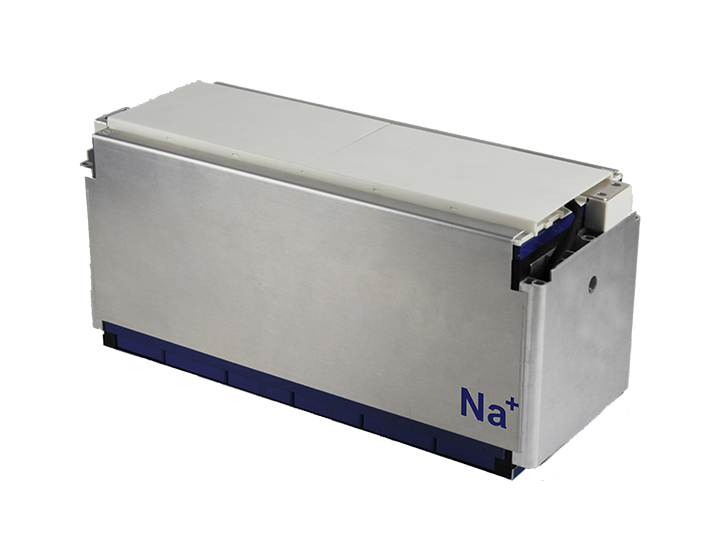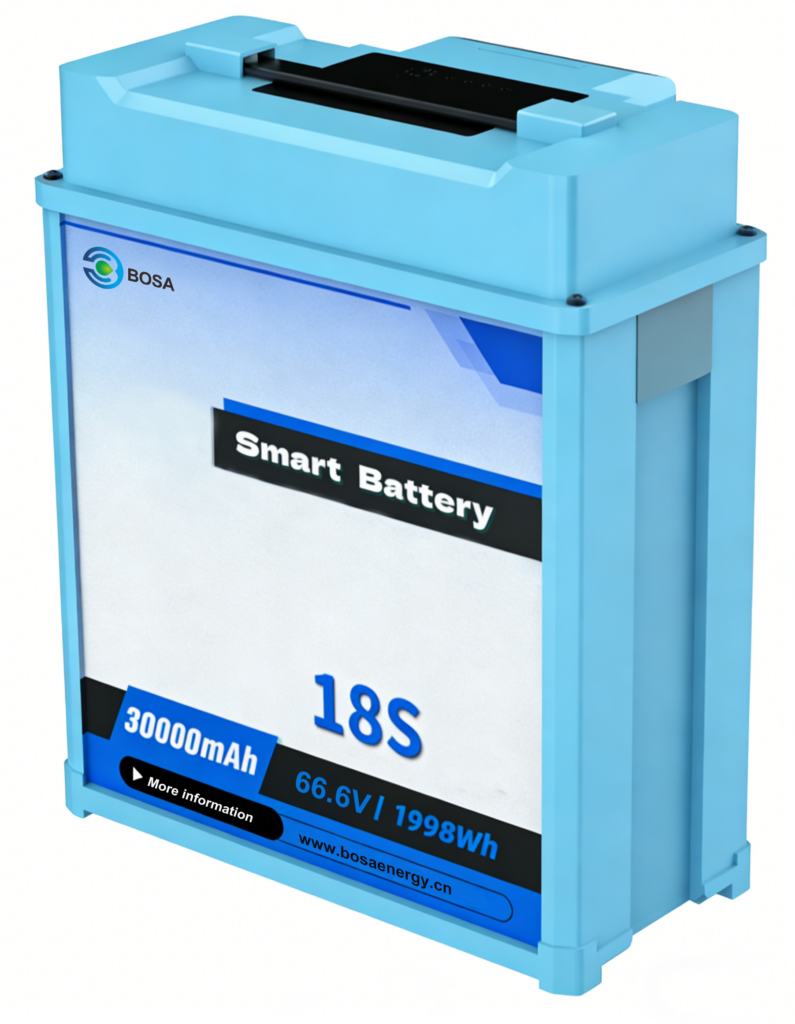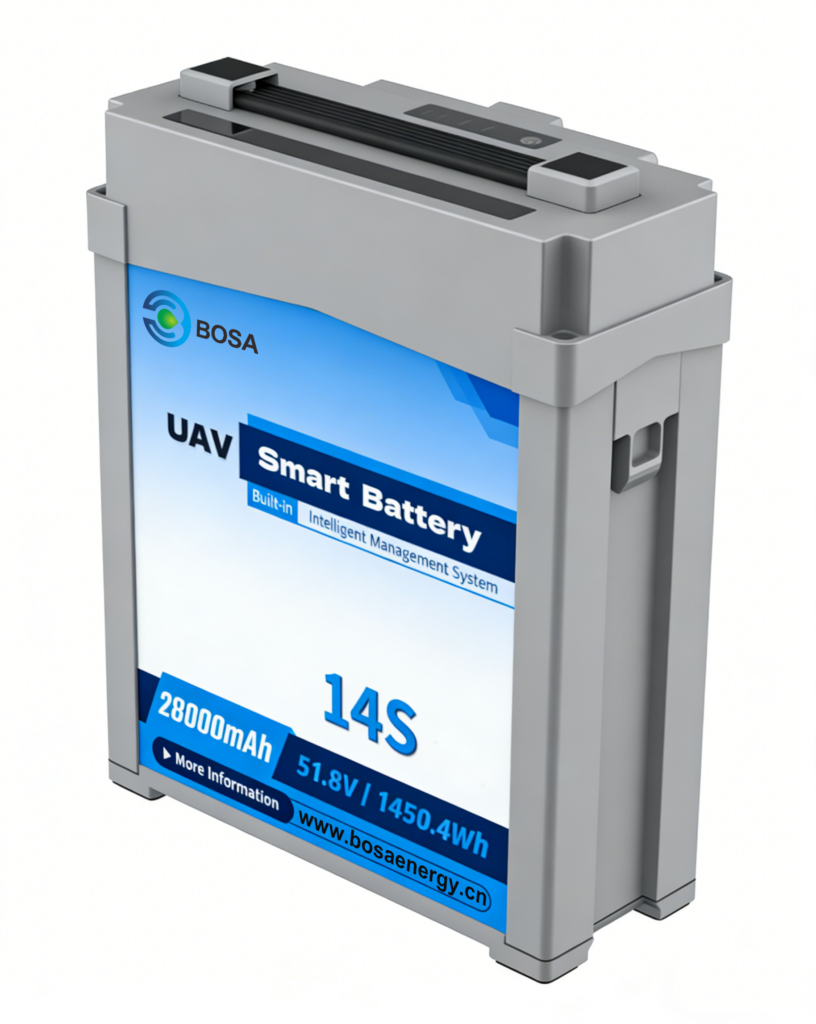

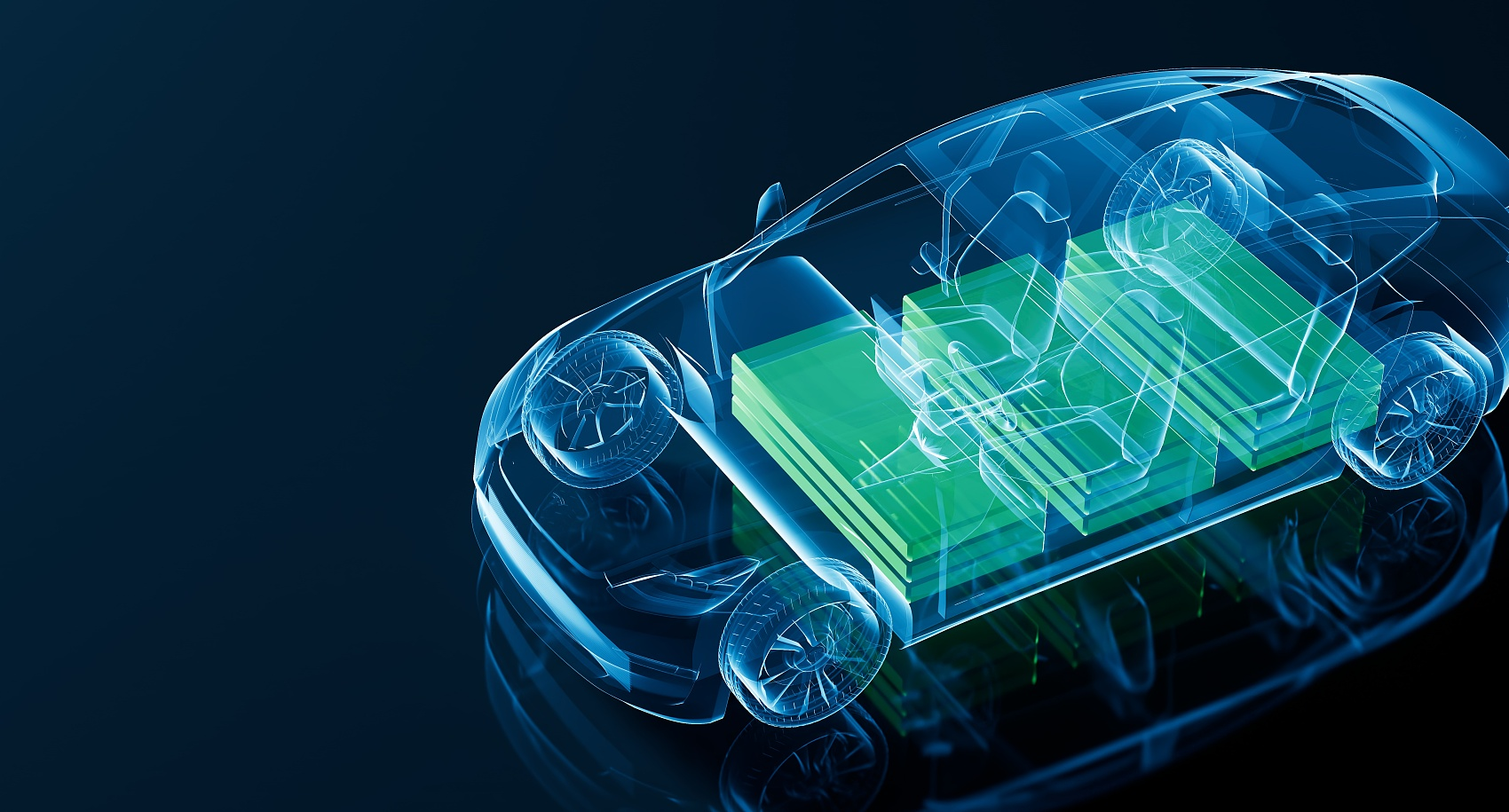
In winter, one of the biggest headaches for new energy vehicle owners is the reduced range after a full charge; outdoor energy storage devices struggle to even guarantee basic power supply.
This isn’t battery “aging” or a quality issue, but rather a “normal reaction” of lithium batteries in low-temperature environments—low temperatures directly lead to capacity degradation and performance decline in lithium batteries.
To understand the principle of battery degradation, let’s first briefly understand the working logic of a lithium battery.
The core of a lithium battery’s ability to provide power lies in the “transportation process of lithium ions”:
During charging, lithium ions (Li⁺) “run” from the positive electrode to the negative electrode, where they are “stored” by the graphite negative electrode. During discharging, these lithium ions “run” back from the negative electrode to the positive electrode. In this round trip, electrons flow, generating current and powering the device. The whole process is like a group of diligent “porters,” shuttling back and forth to transfer energy, with the electrolyte acting as their “transportation channel” and the electrodes as their “transfer stations.”
Under normal conditions (room temperature 20-25℃), these “porters” are full of energy and move smoothly, allowing the battery to output energy stably. However, once the temperature drops, especially below 0℃, the “porters” become sluggish or even “go on strike,” which is the core reason for battery degradation.

Core Principles: Three Challenges of Lithium-ion Batteries at Low Temperatures
Challenge 1: Electrolyte “Freezing,” Blocking Transport Channels
The electrolyte is the “transport channel” for lithium ions, equivalent to the “blood vessels” of a lithium battery. Its fluidity directly determines the migration speed of lithium ions. The viscosity of the electrolyte increases sharply as the temperature decreases—just as water thickens and freezes when cold. At low temperatures, the electrolyte becomes viscous, even partially solidifying, significantly reducing ion conduction speed, and in some cases, completely “blocking” the channels.
This is like a wide, smooth road suddenly becoming a muddy path; the “transporters” (lithium ions) struggle to move, their efficiency is greatly reduced, and the energy output of the battery naturally decreases.
Challenge 2: Lithium Ions Become Lazy, Entry and Exit from Transfer Stations Becomes Difficult
The positive and negative electrodes of a lithium battery are like “transfer stations” for lithium ions. During charging, lithium ions need to embed into the negative electrode, and during discharging, they need to extract from the negative electrode. This process requires overcoming a certain “resistance,” which is commonly referred to as “charge transfer impedance.” According to the Arrhenius equation, the lower the temperature, the slower the chemical reaction rate, and the lower the efficiency of lithium-ion insertion and extraction, resulting in a significant increase in charge transfer impedance. Simply put, low temperatures make lithium ions “lazy”; even if the channels aren’t completely blocked, they are unwilling to exert the effort to enter or exit the “transfer station,” causing some lithium ions to be unable to participate in energy transfer, thus reducing battery capacity.
Challenge 3: The SEI film “thickens,” and “dangerous dendrites” may grow.
During the first charge of a lithium battery, a thin solid electrolyte interphase (SEI) film forms on the surface of the negative electrode. It acts like a “protective shield,” preventing the electrolyte from reacting with the negative electrode while allowing lithium ions to pass through smoothly, which is crucial for battery life. However, low temperatures can damage this “protective shield”: on the one hand, low temperatures reduce the stability of the SEI film, causing some components to break and increasing resistance to lithium ion passage; on the other hand, during low-temperature charging, the rate at which lithium ions embed into the negative electrode cannot keep up with the deposition rate, and excess lithium ions will precipitate metallic lithium on the surface of the negative electrode, forming “lithium dendrites.” Simultaneously, the products of the reaction between lithium and the electrolyte will deposit on the SEI film, making the film thicker and further hindering lithium ion transport. Even more dangerous is that lithium dendrites will continue to grow, and once they pierce the SEI film and the battery separator, it will cause a direct short circuit between the positive and negative electrodes, leading to battery overheating, bulging, and even combustion or explosion. This is the core reason for the safety hazards of low-temperature charging. Moreover, the thickening of the SEI film is irreversible. Long-term use in low-temperature environments will significantly shorten the battery’s cycle life—a battery that could originally cycle 1000 times may only cycle about 500 times with long-term low-temperature use, prematurely entering its “aging period.”

Key Distinction: Low-Temperature Degradation – Reversible or Irreversible?
Many people worry that rapid battery drain in winter might permanently damage the battery. There’s no need to panic excessively. Low-temperature-induced lithium battery degradation falls into two categories: reversible degradation and irreversible degradation, which are significantly different.
Reversible degradation is the most common type, primarily caused by low temperatures increasing electrolyte viscosity, slowing lithium-ion migration, and increasing charge transfer resistance. This type of degradation is like “hibernation”; simply moving the battery to room temperature (20-25℃) and allowing it to stand for a period allows the electrolyte to regain its fluidity, lithium ions to regain their activity, and the battery capacity and performance to essentially return to normal levels, without affecting battery life.
Irreversible degradation, on the other hand, is mainly caused by prolonged low-temperature charging and discharging, leading to excessive thickening of the SEI film, lithium dendrite growth, or irreversible decomposition of the electrolyte. This type of degradation is permanent, like the battery being “injured.” Even after returning to room temperature, the capacity cannot be fully restored, and over time, it accelerates battery aging.