
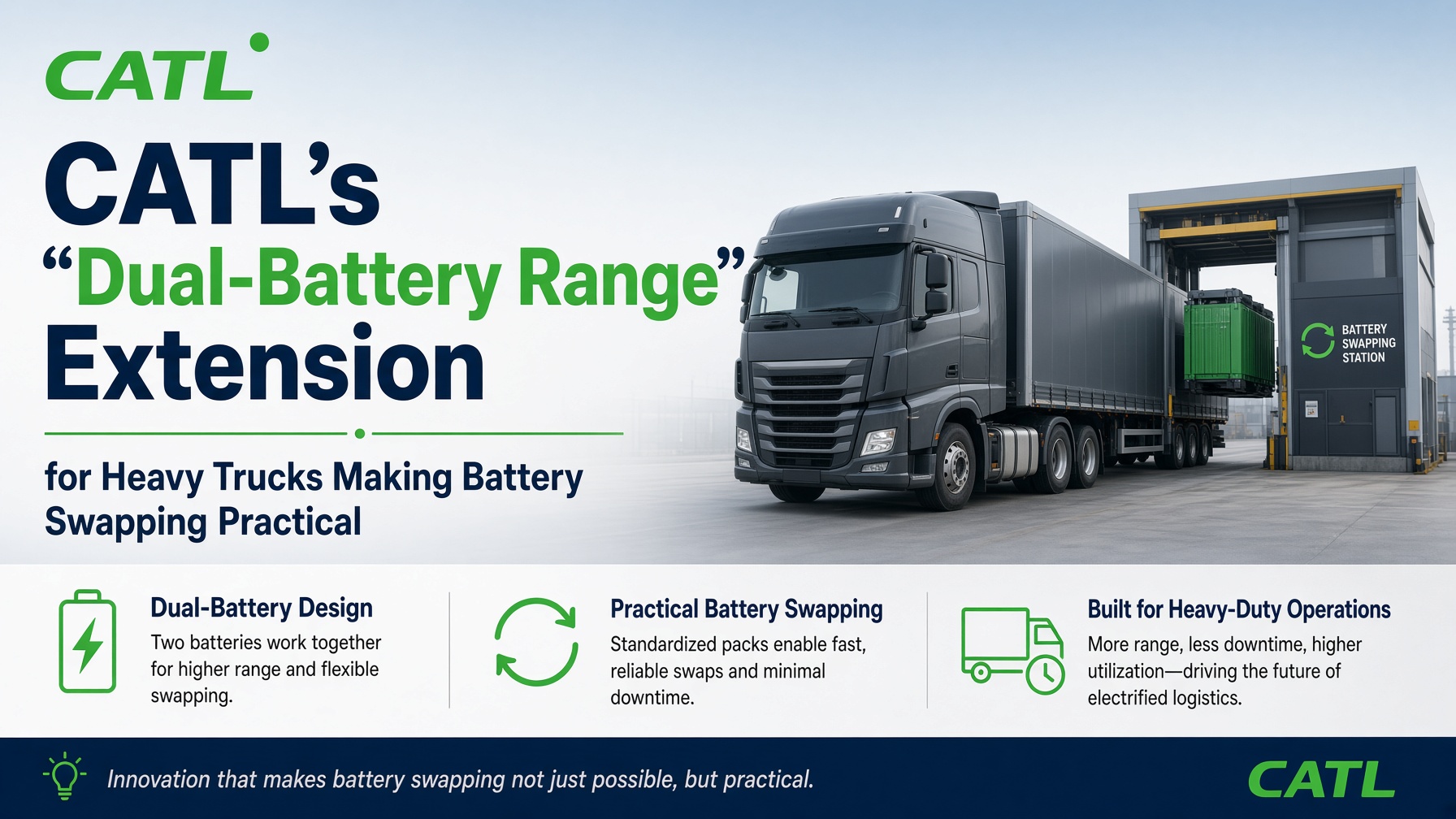
On October 20, 2026, CATL launched its Tianxing II heavy-truck solutions and the Qiji battery-swapping ecosystem in Beijing. The centerpiece is a new “dual-electric range extension” architecture. On the same day, the company secured orders covering 13,000 units from logistics operators including China Post, SF Holding, og STO Express. Industry observers see the move as a signal that heavy-truck electrification is shifting from an “oil-versus-electric” contest into an “electric-versus-electric” competition.
The concept is straightforward. The conventional chassis-mounted swappable battery system is split into two independent but complementary packs. The A pack is a standardized, leased main battery (260# på 432 kWh or 300# på 513 kWh). The B pack is a 77 kWh range-extension battery that stays with the vehicle and is owned by the operator. With the B pack as a backup, drivers can discharge the main pack to below 5% state of charge instead of returning to a swap station with roughly 30% still unused. When the main pack runs low, the system switches seamlessly to the range-extension pack in milliseconds, keeping the truck moving. A full swap at a Qiji station then takes about five minutes.
The change improves battery utilization. CATL estimates that, on routes averaging 400 km per day, annual energy costs per truck can be roughly 130,000 yuan lower than for a diesel equivalent. Over three years, total cost of ownership (TCO) is projected to be more than 460,000 yuan lower than a diesel truck and about 70,000 yuan lower than a pure-electric truck with a purchased battery. Billing is based on energy charged rather than energy discharged, and lease terms can start and stop with seasonal demand or downtime, reducing capital lock-up and operational risk for fleets.
In September 2026, electric heavy trucks already accounted for just over 50% of monthly sales in China. Once penetration reaches this level, the focus moves from whether electrification is possible to which solutions deliver the lowest full-life-cycle cost and highest utilization. CATL’s dual-battery design, standardized swap blocks, og flexible leasing aim to address the classic drawbacks of pure swap trucks: under-used capacity, conservative driving habits, and uncertain residual value. The company also updated its Qiji network, targeting 900 stations by the end of 2026 and 2,000 by 2027, while introducing battery-partner og energy-partner programs.
For fleet operators, the practical value lies in turning the battery from a heavy fixed asset into a more flexible operating tool. Sustained growth in heavy-truck electrification depends less on peak cell energy density and more on cutting downtime, capital intensity, and total cost of ownership.
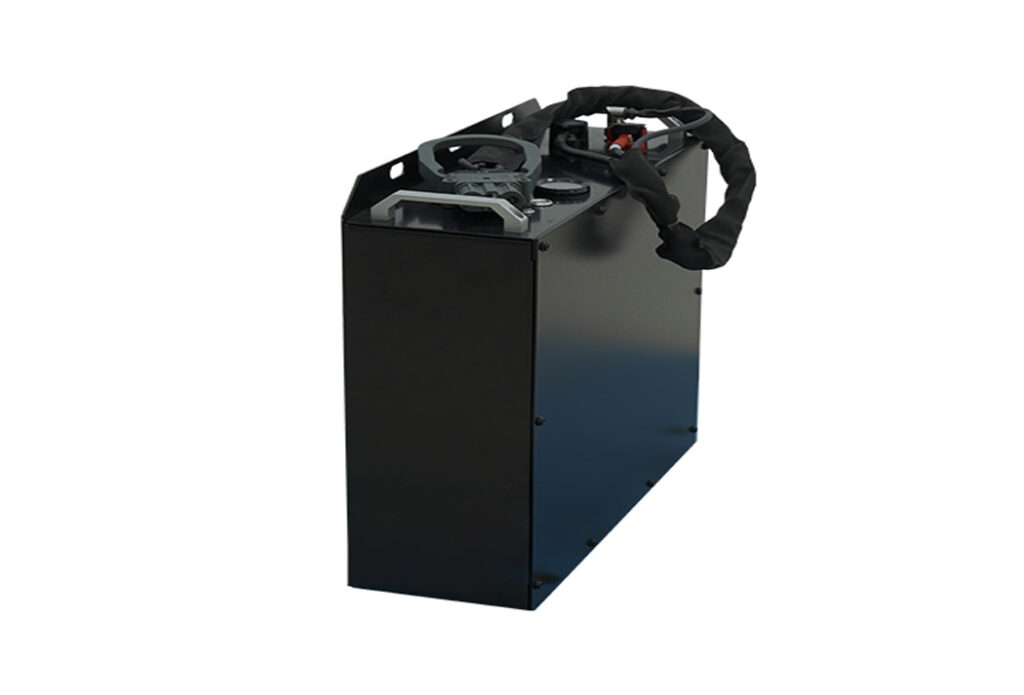
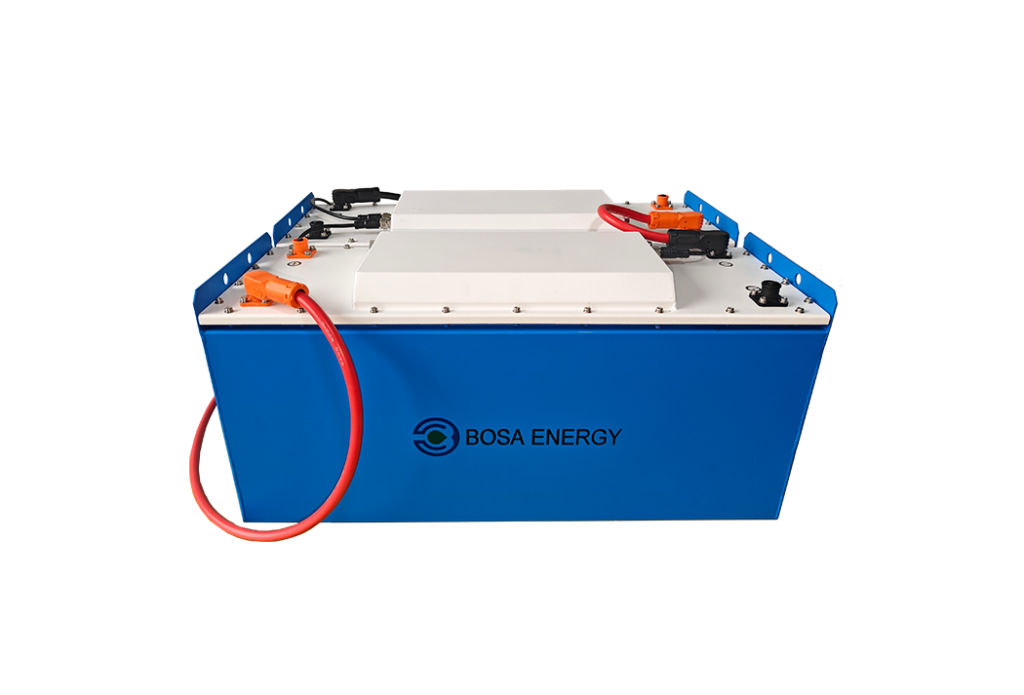
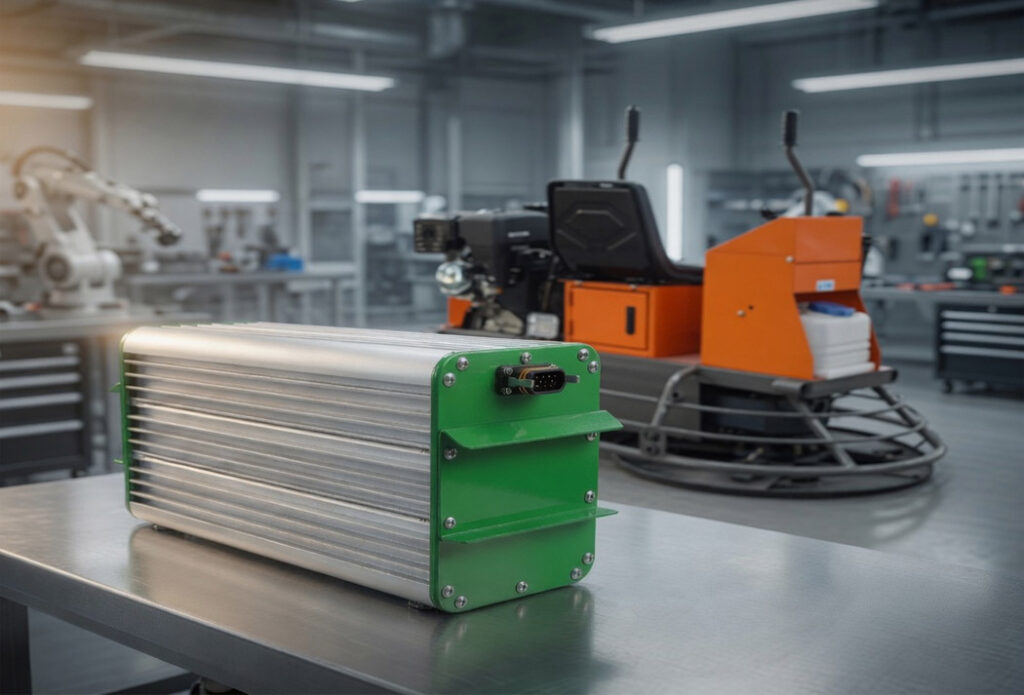
In this environment, other suppliers are offering complementary solutions for industrial and commercial applications. BOSA Energi focuses on lithium-iron-phosphate (LFP) batteries and integrated power systems for energilagring, industrial vehicles, heavy equipment, og marine use, with deployments in more than 30 countries. Leveraging mature LFP cells og modular designs, the company provides high-safety, long-cycle battery packs for forklifts, dump trucks, and other industrial equipment, supported by full OEM/ODM capabilities. As heavy-truck and logistics electrification accelerates, providers such as BOSA—emphasizing reliable LFP technology, customization, and full-lifecycle support—help fleets and industrial users adopt electric solutions at more manageable cost, complementing the large-scale standardized swapping networks being built by leading players and contributing to broader decarbonization of transportation.