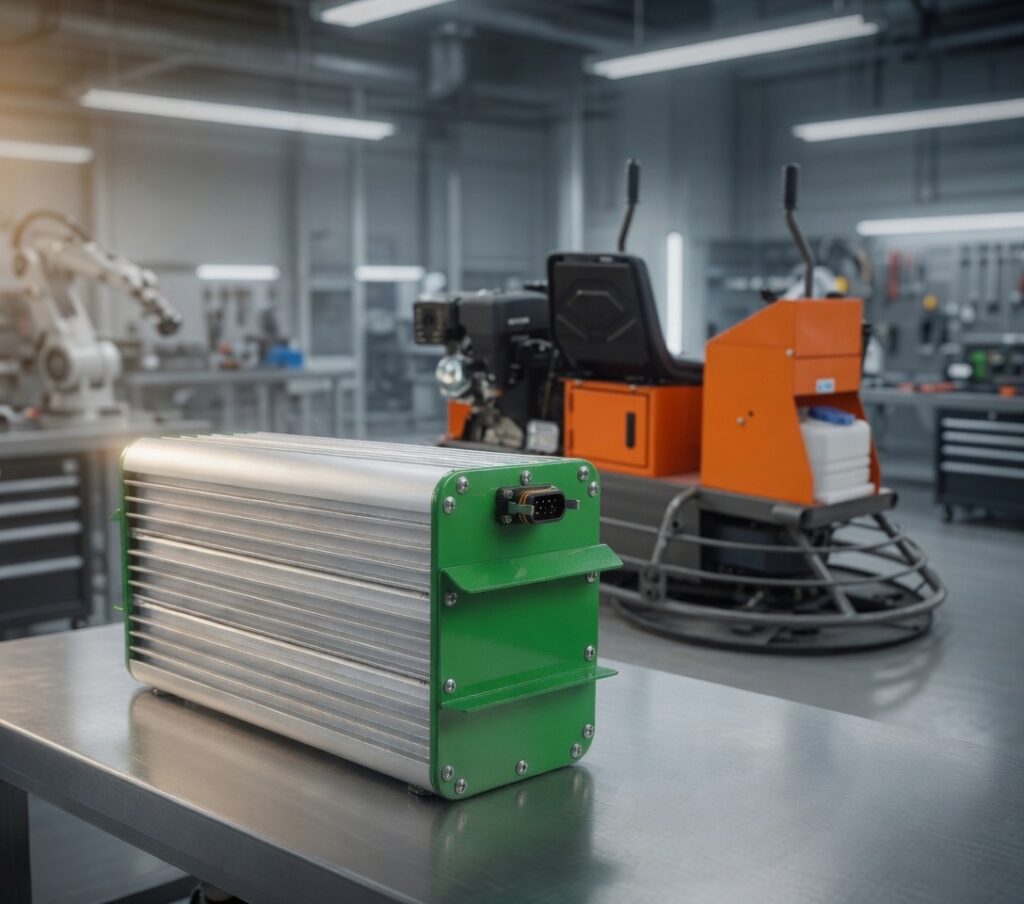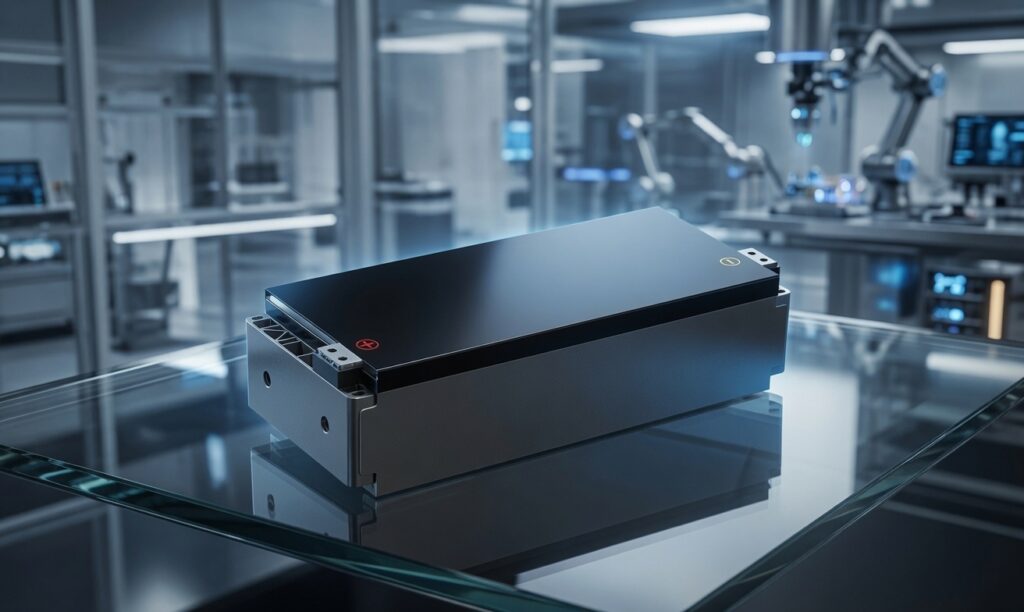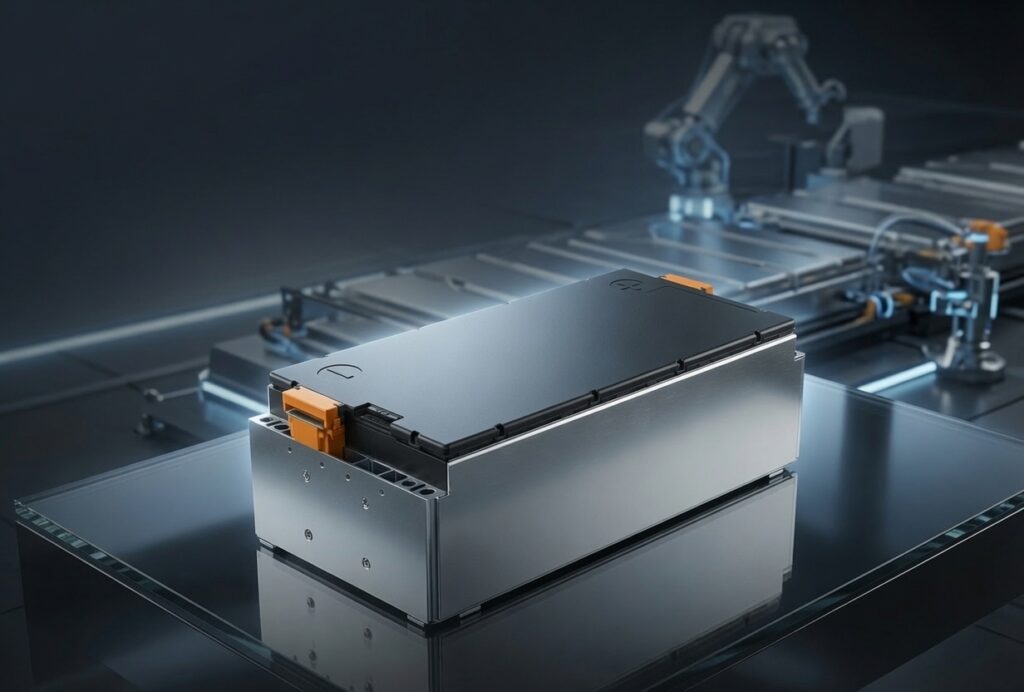

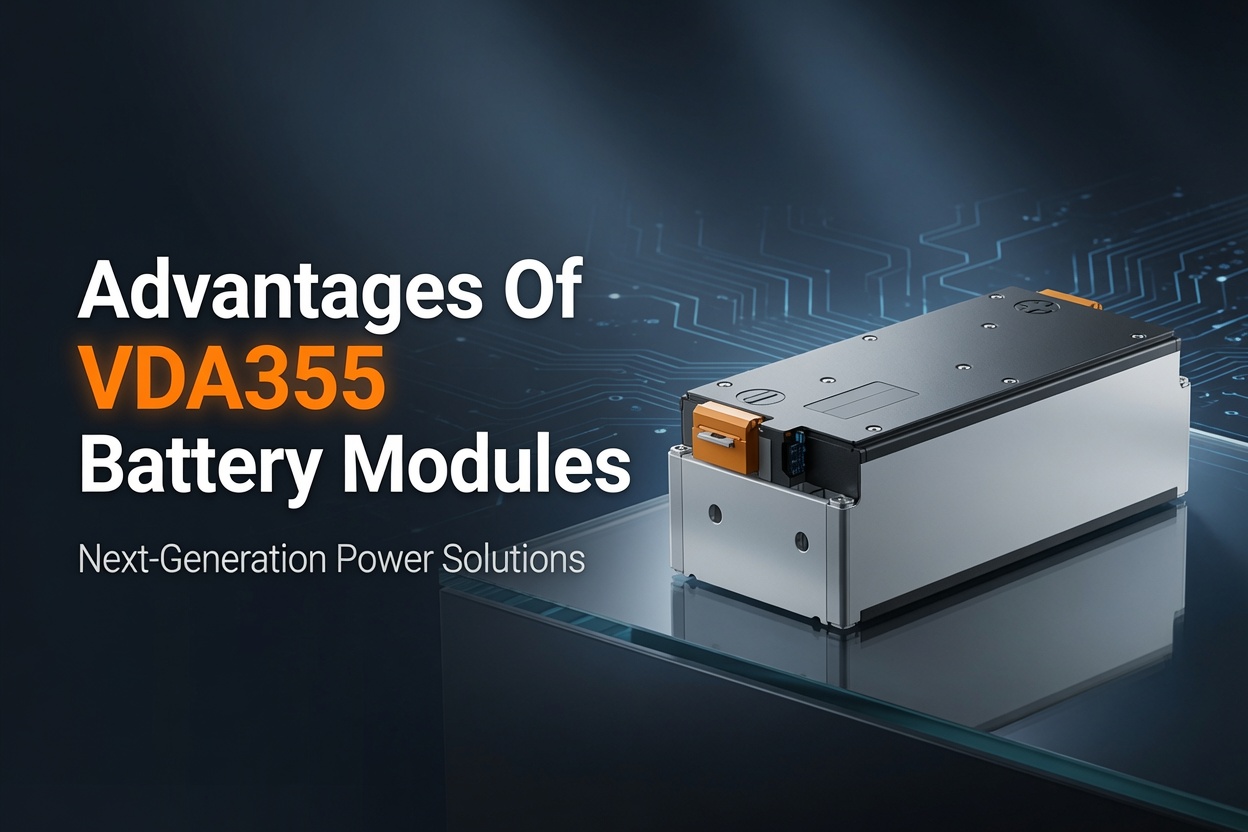
VDA355 battery modules represent a breakthrough in standardized lithium-ion battery design, delivering exceptional performance, compatibility, and cost-efficiency for electric vehicles, commercial fleets, and industrial energy storage systems. Developed under the rigorous guidelines of the German Association of the Automotive Industry (VDA), these modules have become a preferred building block for modern battery packs worldwide.
If you are evaluating battery solutions for EVs, material handling equipment, or stationary storage, understanding the advantages of VDA355 battery modules is essential for making informed, future-proof decisions.
What Is a VDA355 Battery Module?
The VDA355 is a standardized lithium-ion battery module with fixed external dimensions of approximately 355 mm (length) × 151 mm (width) × 108 mm (height). This precise sizing was established by VDA to promote interoperability across manufacturers and platforms.
A single VDA355 module typically contains multiple prismatic cells in configurations such as 1P4S, 2P6S, or 3P4S. Available chemistries include both NCM (Nickel Cobalt Manganese) for high energy density and LFP (Lithium Iron Phosphate) for superior safety and cycle life. The module includes integrated busbars, connectors, and often supports advanced Battery Management System (BMS) communication via CAN or RS485.
Key Advantages of VDA355 Battery Modules
1. True Standardization and Seamless Interoperability
The greatest strength of VDA355 modules lies in their standardized form factor. This allows battery pack designers to mix modules from different suppliers without redesigning enclosures, cooling systems, or mounting hardware.
Benefits include:
- Faster time-to-market for new vehicle or equipment platforms
- Simplified supply chain and reduced dependency on single vendors
- Easier maintenance and module replacement in the field
- Lower engineering costs across the entire product lifecycle
2. High Energy Density in a Compact Footprint
Despite their modest size, VDA355 modules deliver impressive energy density. Depending on cell chemistry and configuration, a single module can provide between 2–4+ kWh of energy while weighing only 11–12.2 kg.
This compact design enables:
- Higher overall pack capacity in space-constrained applications
- Better vehicle weight distribution and handling
- More flexible pack layouts in commercial vehicles and industrial machines
3. Outstanding Versatility Across Applications
VDA355 modules excel in diverse use cases:
- Passenger and commercial EVs — Widely adopted on platforms such as Volkswagen’s MEB architecture and many Chinese EV makers.
- Material handling & floor sweepers — The modular approach mirrors the benefits seen in purpose-built lithium systems for floor sweepers (long runtime, fast charging, minimal maintenance).
- Stationary energy storage (BESS) — Ideal for DIY and commercial battery banks due to easy paralleling and proven reliability.
- Specialty vehicles — Mining equipment, marine, and AGVs benefit from the robust mechanical design and vibration resistance.
4. Superior Safety and Automotive-Grade Reliability
VDA standards demand rigorous testing for crash safety, thermal runaway prevention, and electrical integrity. Most VDA355 modules incorporate:
- Multi-level protection circuits
- High-quality cell matching
- Robust mechanical enclosures
- Optional LFP chemistry for near-zero thermal runaway risk
When paired with a professional BMS, these modules offer 6+ levels of safety redundancy — a standard now expected in both automotive and industrial environments.
5. Lower Total Cost of Ownership (TCO)
Standardization drives down costs at every stage:
| Cost Factor | VDA355 Advantage | Impact on TCO |
|---|---|---|
| Development & Engineering | Reduced custom design work | Aanzienlijk lager |
| Manufacturing & Scale | High-volume production across suppliers | 15–30% cost reduction typical |
| Maintenance & Replacement | Plug-and-play module swapping | Dramatically reduced downtime |
| End-of-Life | Easier recycling and second-life use | Better residual value |
LFP-based VDA355 modules further amplify savings through 3,500+ cycles, maintenance-free operation, and 1–2 hour fast charging — advantages directly comparable to those proven in high-duty industrial equipment like floor sweepers.
6. Excellent Scalability and Future-Proofing
Need more capacity? Simply add more VDA355 modules in series or parallel. The standardized interface makes capacity upgrades straightforward, protecting your investment as energy demands grow.
Technical Specifications Overview
| Parameter | Typical Specification | Notities |
|---|---|---|
| Dimensions (L × W × H) | 355 × 151 × 108 mm | Strict VDA tolerance |
| Gewicht | 11 – 12.2 kg | Varies by configuration |
| Common Configurations | 1P4S, 2P6S, 3P4S | Determines voltage & capacity |
| Cell Chemistry | NCM or LFP | LFP preferred for safety & longevity |
| Nominal Voltage (example) | 14.8 V (4S) / 22.2 V (6S) | Scalable to high-voltage packs |
| Typical Capacity Range | 58 Ah – 174 Ah+ per module | Higher with advanced cells |
| Cycle Life (LFP) | ≥ 3,500 cycles @ 0.5C / 25°C | Excellent for daily industrial use |
| Mededeling | CAN / RS485 | Compatible with most BMS platforms |
| Beschermingsclassificatie | IP54 or higher (module dependent) | Suitable for harsh environments |
VDA355 Battery Modules vs. Non-Standard Designs
While custom battery packs offer maximum design freedom, VDA355 modules consistently outperform in:
- Speed of development — No need to reinvent mechanical or thermal interfaces
- Supply resilience — Multiple qualified manufacturers worldwide
- Serviceability — Field technicians can replace individual modules quickly
- Resale & second-life value — Standardized modules retain higher residual value
For applications such as floor sweepers or warehouse equipment that demand long runtime, fast charging, and minimal downtime, the combination of VDA355 standardization with LFP chemistry delivers the same compelling advantages proven in purpose-built lithium systems — often at lower overall project risk.
Conclusion: Why VDA355 Battery Modules Are the Smart Choice
De advantages of VDA355 battery modules — standardization, energy density, safety, cost efficiency, and versatility — make them one of the most practical and future-proof options available today. Whether you are building electric commercial vehicles, expanding an energy storage project, or upgrading industrial fleets, VDA355 modules provide a reliable foundation that reduces complexity while maximizing performance and return on investment.
As the industry continues to prioritize interoperability and sustainability, VDA355 is poised to remain a dominant standard for years to come.
Frequently Asked Questions About VDA355 Battery Modules
What does VDA stand for? VDA stands for Verband der Automobilindustrie — the German Association of the Automotive Industry, which developed this standardized module specification.
Can VDA355 modules be used in floor sweepers or industrial equipment? Yes. While originally designed for automotive use, the compact size, robust construction, and availability in safe LFP chemistry make them highly suitable for material handling equipment, floor sweepers, and other industrial applications requiring reliable, high-cycle batteries.
What is the difference between NCM and LFP VDA355 modules? NCM offers higher energy density for maximum range/ runtime. LFP provides superior safety, longer cycle life (often 3,500+ cycles), and better performance in high-temperature environments.
How many VDA355 modules are typically needed for a battery pack? It depends on required voltage and capacity. Many EV and industrial packs use 8–20+ modules configured in series/parallel to achieve 48 V, 400 V, or higher systems.
Are VDA355 modules easy to integrate with existing BMS? Most modules support standard CAN bus communication, making integration with professional BMS units straightforward for experienced engineers.
Ready to explore VDA355 battery modules for your next project? Contact reputable suppliers for detailed datasheets, customization options, and integration support. The standardized advantages of VDA355 are ready to power your innovation today.