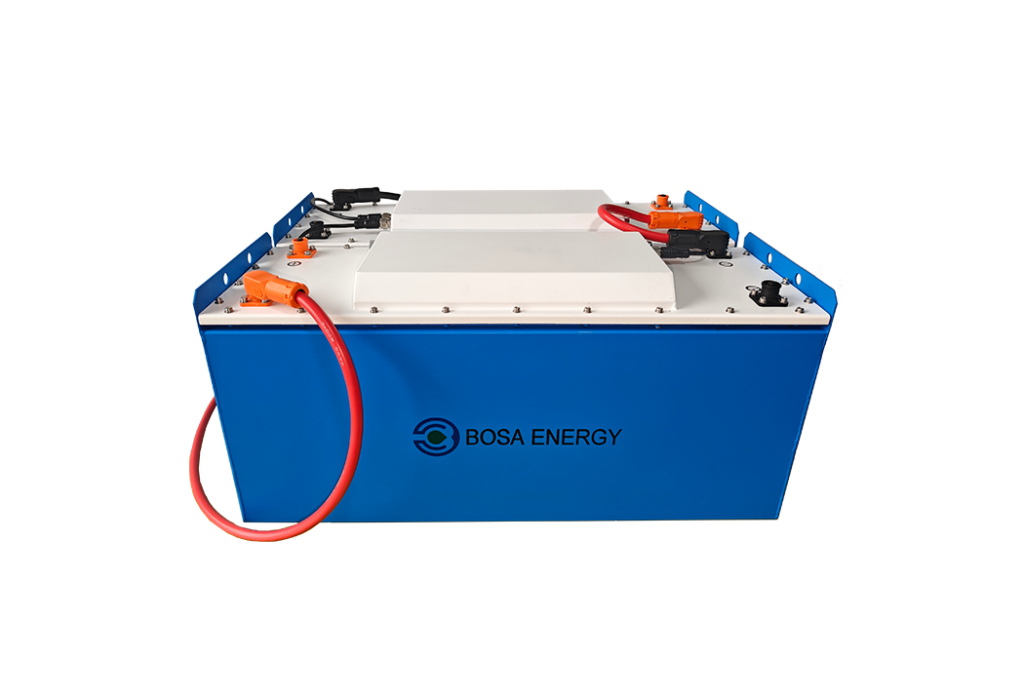


Quick Answer (2026 data): Most U.S. homeowners now need $9,000–$16,000 cash (after common state incentives) for a solid 10–13.5 kWh essential-backup system. Whole-home coverage typically requires $22,000–$40,000. Prices have fallen another 8–12 % since 2025, but the biggest remaining savings come from smart sizing and local rebates—not waiting for further drops.
1. 2026 Price Snapshot (What You Will Actually Pay)
| Goal | Capaciteit | Installed Cost Before Incentives | Realistic Out-of-Pocket (After State Programs) |
|---|---|---|---|
| Keep fridge, lights, Wi-Fi, medical devices running | 10–13.5 kWh | $10,000 – $16,000 | $9,000 – $13,000 |
| Cover most of the house + moderate AC | 20–27 kWh | $18,000 – $28,000 | $15,000 – $24,000 |
| Full-home backup or near off-grid | 30–40+ kWh | $25,000 – $42,000 | $22,000 – $38,000 |
Key 2026 numbers
- Average installed cost: $700–$1,300 per usable kWh
- Tesla Powerwall 3 (13.5 kWh): most common quote ≈ $13,000–$14,000
- Hardware share of total cost: 55–65 %
- Labor + permits + electrical upgrades: 35–45 %
2. Why Prices Keep Dropping (And Why the Drop Is Slowing)
- Global lithium-ion pack price: $108/kWh (2025) → ≈ $105/kWh (2026 forecast)
- LFP chemistry now dominates residential storage → lower material cost + better safety
- Manufacturing scale and competition continue to push hardware prices down 3–5 % this year
- Soft costs (labor, permitting, interconnection) are falling much more slowly
Bottom line: Further big drops are unlikely in the second half of 2026. The window of rapid price reduction is largely closed.
3. Exact Money You Need – 3-Minute Calculator
Step 1 – Decide your real need
- Essential only → 10–13.5 kWh
- Comfort + partial AC → 20–25 kWh
- Whole-home resilience → 30 kWh+
Step 2 – Add the “hidden” costs
- Electrical panel upgrade (if needed): +$1,500–$3,500
- Long conduit or outdoor enclosure: +$800–$2,000
- Contingency buffer: +10 %
Step 3 – Subtract incentives
- Federal 30 % credit for standalone batteries: expired end of 2025 in most interpretations
- State / utility rebates: still very active (often $200–$500 per kWh or annual demand-response payments)
Result examples (mid-2026 averages after typical state help)
- Basic system → plan for $10,500
- Strong partial-home system → plan for $19,000
- Full-home package → plan for $28,000–$35,000
4. Smart Ways to Spend Less Without Sacrificing Quality
- Size only for critical loads first — expand later with modular systems
- Choose LFP over NMC for longer cycle life and lower lifetime cost
- Get 3–4 itemized quotes (hardware, labor, permits listed separately)
- Time the install for utility rebate windows (many open in spring and fall)
- Pair with existing solar if you already have it — the payback improves dramatically