
Key Performance Metrics in 2026
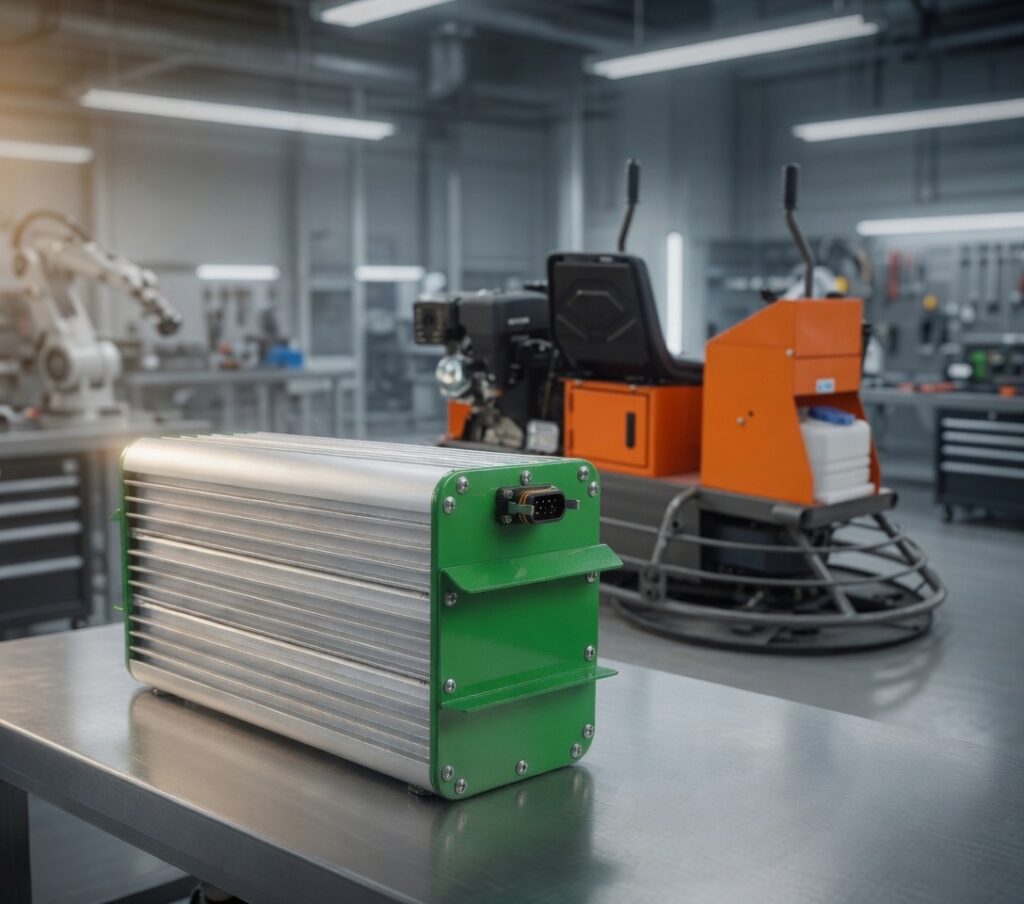
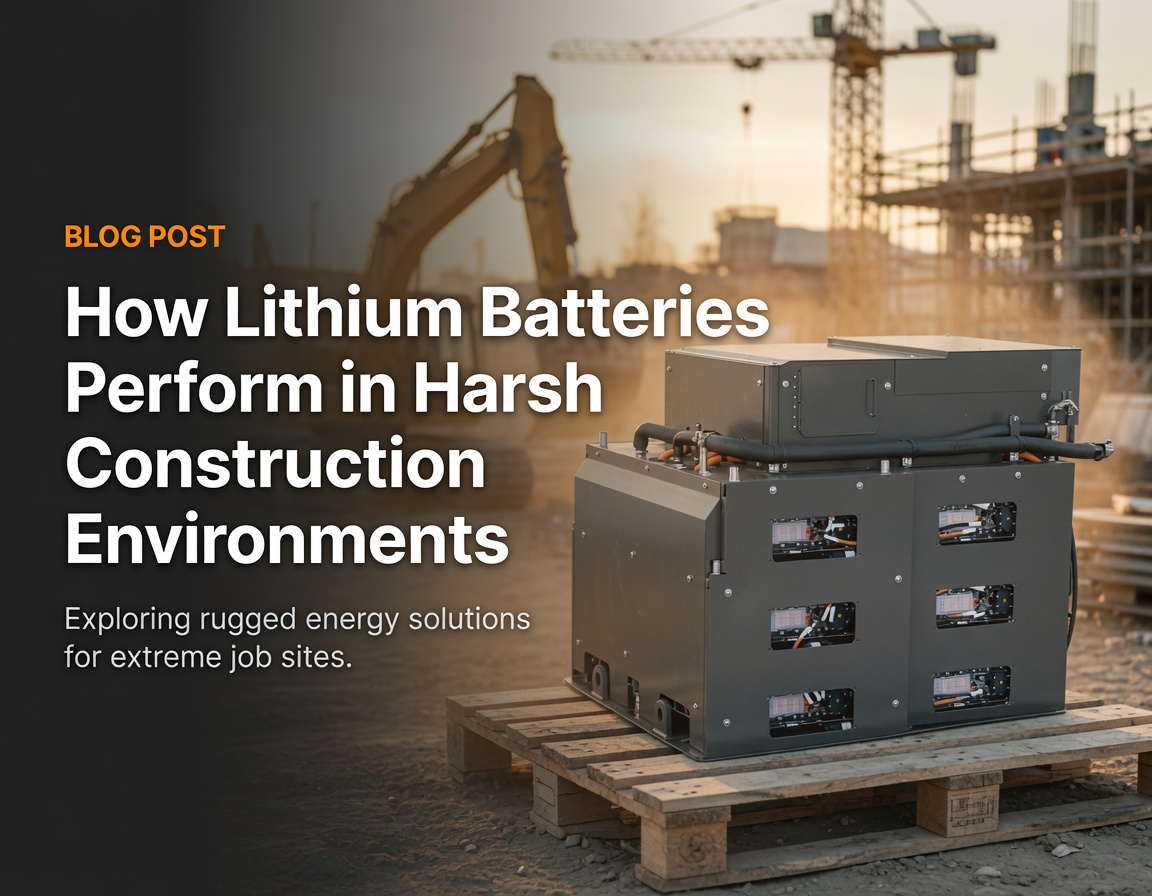
Modern off-highway lithium packs are designed as structural components of the machine rather than simple energy containers. They combine high continuous and pulse current capability with mechanical isolation, sealed enclosures and closed-loop thermal control.
| Parameter | Industrial LFP Pack (Construction Spec) | Typical Lead-Acid Equivalent | Impact on Harsh-Site Uptime |
|---|---|---|---|
| Cycle life (80 % DoD) | ≥3,500–5,000 | 800–1,500 | 3–5× longer service interval |
| Operating temperature | –20 °C to 60 °C (with active TMS) | 0 °C to 40 °C optimal | Far wider usable climate range |
| Ingress protection | IP65–IP67 / IP68 common | Open or basic splash | Dust & water resistance critical |
| Vibration / shock tolerance | UN 38.3 + machine-specific high-G | Limited | Reduced cell and connection failures |
| Opportunity charge acceptance | 15–40 % capacity in short windows | Slow / limited | Extends daily output without deep discharge |
| Preferred SOC floor | Keep above 20–30 % | Deep discharges common | Protects long-term capacity |
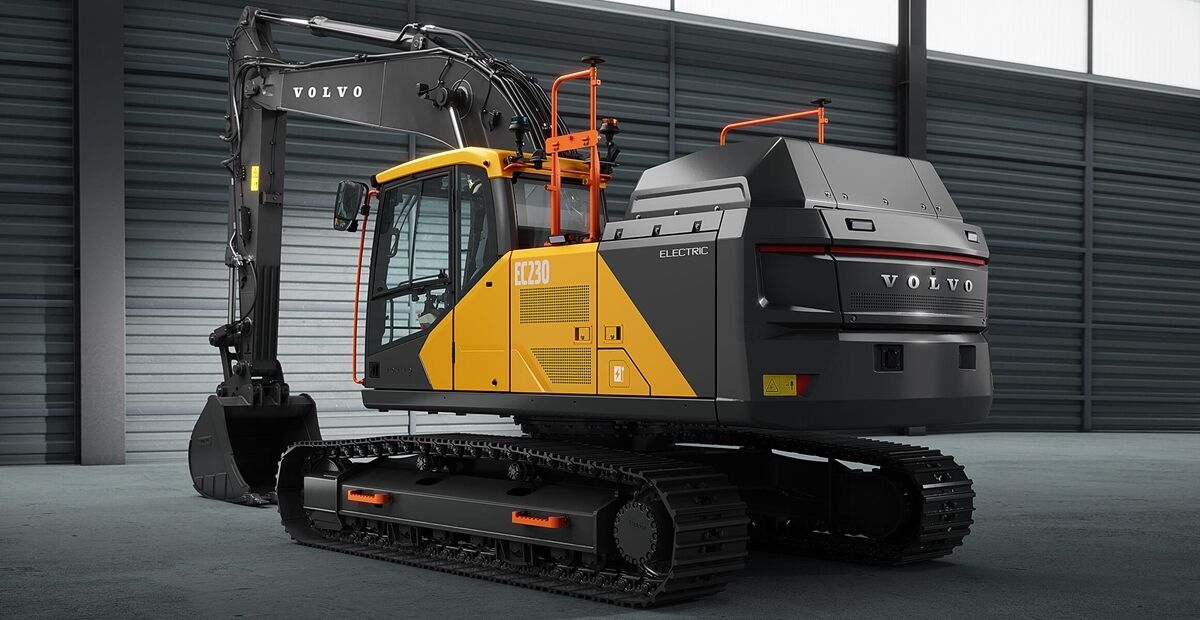
Data reflect 2026 supplier specifications, OEM electric excavator packs (Volvo EC230 high-capacity 450 kWh / 650 V, Cat 320 Electric 387 kWh / 750 V) and independent off-highway design guides. Real-world capacity retention depends on thermal management quality, BMS calibration and avoidance of sustained high-temperature or deep-discharge operation.
Environmental Stressors That Define Construction Duty
Construction sites combine multiple simultaneous stressors that rarely appear together in warehouse or on-road applications:
- Continuous low-frequency vibration from tracks, hydraulics and rough terrain plus high-G shock from bucket impacts and load drops.
- Airborne dust, silica and mud that infiltrate poorly sealed packs and accelerate connector corrosion.
- Ambient temperatures ranging from sub-zero winter starts to 45–55 °C summer cabin or engine-bay heat soak.
- Intermittent water exposure from rain, wash-down or standing puddles.
- Irregular high-current duty cycles with frequent high-power hydraulic demands.
Lead-acid batteries suffer rapid plate sulfation, electrolyte stratification and terminal corrosion under these conditions. Conventional consumer or light-duty lithium packs without reinforced structure and active thermal management experience accelerated capacity fade, connector fatigue and elevated thermal-runaway risk. Understanding how lithium batteries perform in harsh construction environments therefore begins with matching pack architecture to these combined loads rather than relying on laboratory cycle-life claims alone.
How Lithium Chemistry and Packaging Address the Stressors
LiFePO₄ chemistry provides the foundational safety and cycle-life advantage. Its higher thermal runaway threshold (≈270 °C) and inherent structural stability make it the dominant choice for off-highway packs. High-voltage architectures (600–750 V class) reduce current for a given power level, lowering I²R losses and connector stress.
Mechanical packaging is equally critical. Successful construction packs incorporate:
- Reinforced aluminum or steel enclosures with vibration-isolation mounts and compression plates.
- Flexible busbars, locking connectors and strain-relieved cabling.
- IP67 or higher sealing with hydrophobic vents and corrosion-resistant hardware.
- Integrated liquid or forced-air thermal management plus cell-level heating for sub-zero charging.
- Multi-level BMS that enforces voltage, current, temperature and SOC limits in real time.
These features allow lithium batteries to maintain usable capacity and power delivery across the full temperature and mechanical envelope encountered on active jobsites. When correctly specified, the systems demonstrate that how lithium batteries perform in harsh construction environments is no longer a theoretical question but a measurable engineering outcome.
Real-World OEM Evidence
Volvo CE’s high-capacity EC230 Electric (450 kWh, 650 V) routinely achieves 7–8 hour stop-start runtimes on medium-to-heavy duty cycles when opportunity charging of 15–40 % is available and SOC is held above 20–30 %. Caterpillar’s 320 Electric (387 kWh, 750 V) targets similar full-shift performance with DC fast-charge and tethered options. Both platforms operate under the same dust, vibration and temperature regimes that define conventional diesel sites, confirming that properly engineered lithium systems deliver diesel-equivalent productivity without the emissions or noise penalties.
Independent off-highway design literature emphasizes that vibration, shock and moisture remain primary failure drivers when packaging or BMS protection is inadequate. Certified packs that pass UN 38.3 mechanical tests plus machine-specific high-G validation, combined with IP67 sealing, substantially reduce these risks. Design guides for 2026 off-highway packs further stress liquid thermal management, corrosion-resistant hardware and SAE J1939-compatible BMS communication as non-negotiable for continuous digging duty.

Selection Criteria for Harsh Construction Environments
Prioritize the following measurable attributes when specifying packs for excavators, loaders, compactors or auxiliary equipment:
- Chemistry and cycle life — Prefer LFP with documented ≥3,500 cycles at 80 % DoD under realistic temperature profiles.
- Thermal management — Active heating and cooling that keeps cells inside the optimal 15–35 °C window during both charge and discharge.
- Mechanical integrity — Explicit vibration and shock ratings beyond basic UN 38.3, plus IP67 (or higher) enclosure validation.
- BMS functional safety — Cell-level monitoring, rapid isolation capability and communication protocols compatible with the host machine (SAE J1939 or equivalent).
- Certification — UL 2580 for traction/mobile equipment or IEC 62619 for industrial motive applications; both provide independent abuse and environmental validation.
- Opportunity-charge capability — Ability to accept 15–40 % capacity in short windows while protecting against low-temperature charge plating.
- Serviceability — Modular design, field-replaceable modules or clear diagnostic interfaces that minimize downtime.