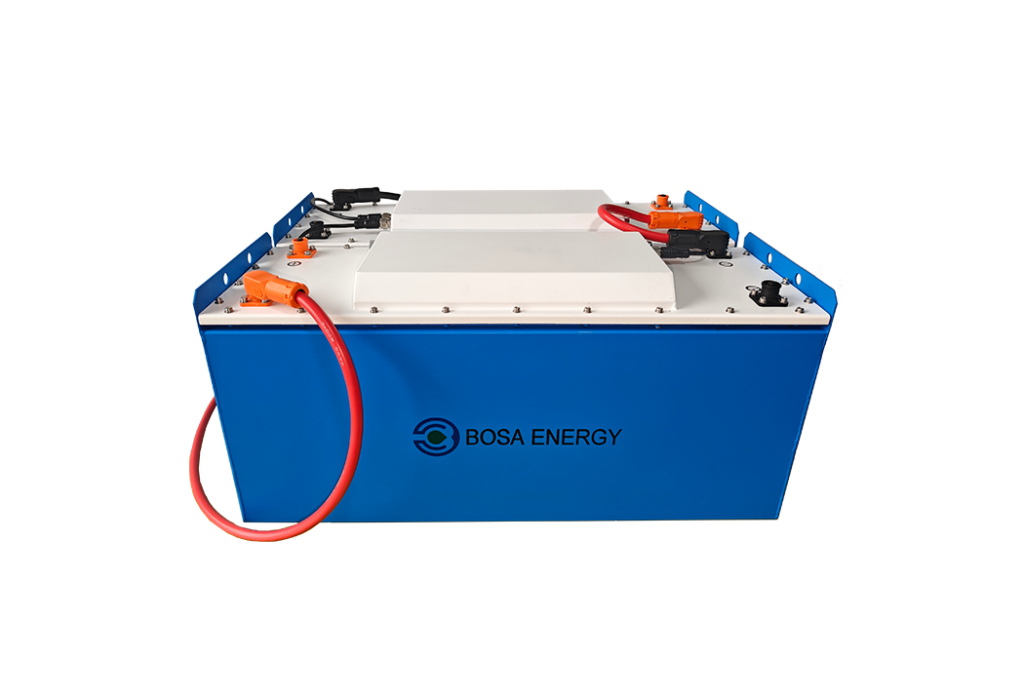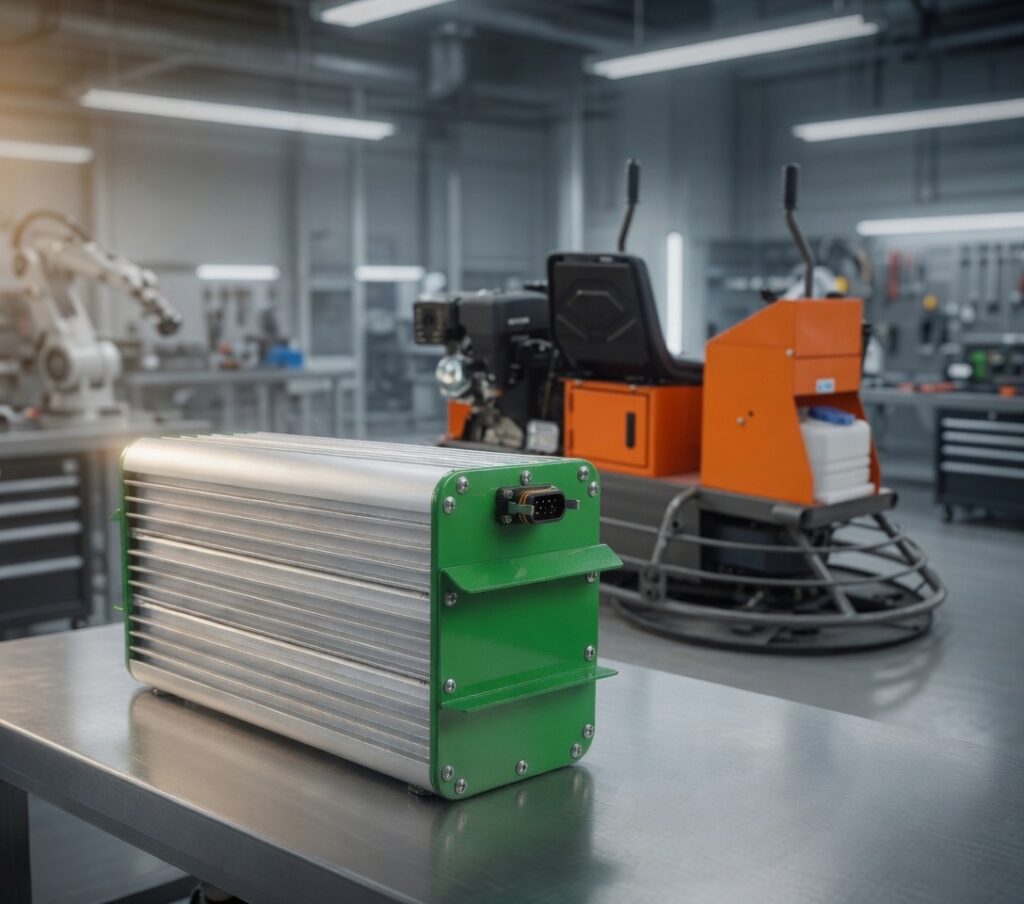

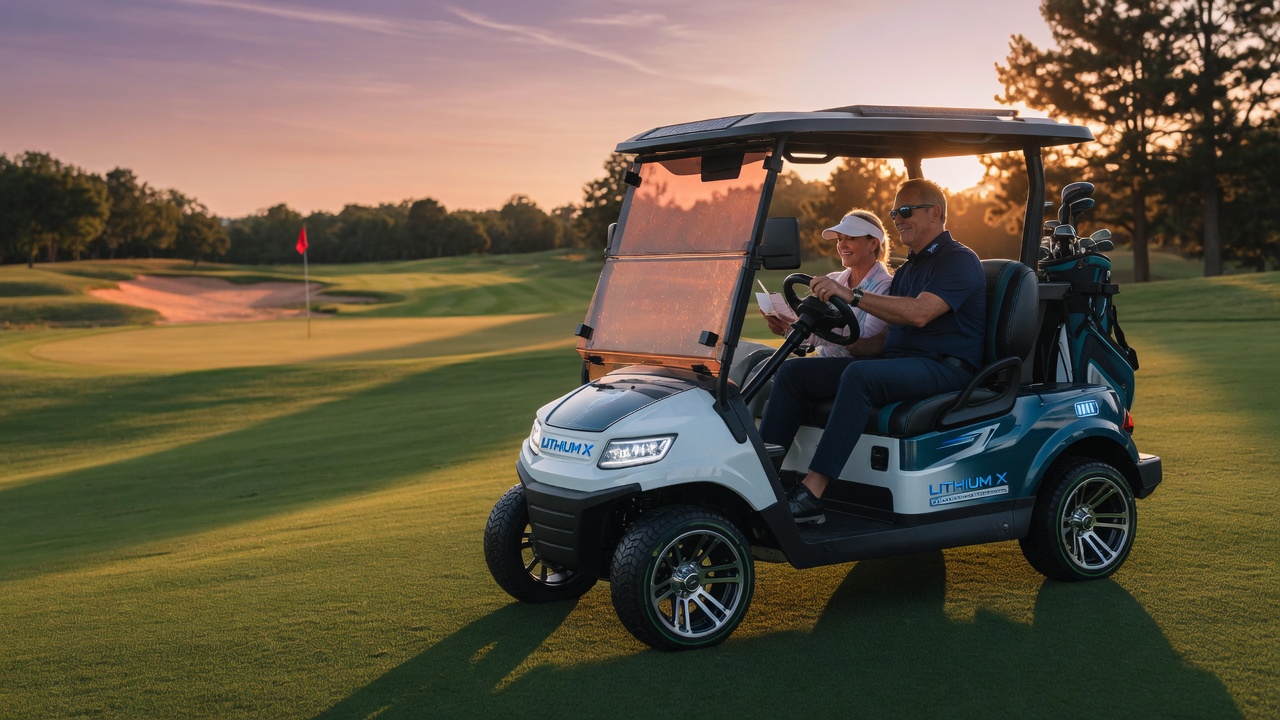
Upgrade your golf cart with a high performance lithium battery for golf carts and experience longer range, faster charging, zero maintenance, and dramatically lower lifetime costs. In 2026, more golf cart owners than ever are switching from outdated lead-acid batteries to advanced LiFePO4 lithium solutions like those from BOSA Energy. This comprehensive guide explores everything you need to know about high performance lithium batteries for golf carts — from real-world performance data to detailed specifications, compatibility, and smart technology features.
Whether you operate a fleet of rental carts or simply want the smoothest ride on the course, investing in a premium lithium battery delivers measurable advantages that pay for themselves many times over.
Why Golf Cart Owners Are Switching to High Performance Lithium Batteries
Traditional lead-acid batteries have powered golf carts for decades, but they come with significant limitations: short cycle life, lengthy charging times, frequent maintenance, and higher total ownership costs. A high performance lithium battery for golf carts solves these pain points with cutting-edge LiFePO4 (Lithium Iron Phosphate) chemistry.
BOSA Energy’s lithium batteries, for example, deliver over 4,000 cycles at 80% depth of discharge while maintaining 80%+ state of health — compared to just 300–500 cycles for typical lead-acid packs. That translates to 8–12 years of reliable service versus 3–5 years.
Here’s what makes lithium the clear winner:
- Lightning-fast charging: Full charge in 1–2 hours versus 8–10 hours for lead-acid
- Zero maintenance: No watering, no acid spills, no corrosion
- Superior safety: No risk of fire or explosion with multiple built-in redundancies
- Lighter weight and longer range: 60–80 miles per charge (15% more than competitors)
- Eco-friendly operation: Fully recyclable and free of toxic lead and acid
These benefits aren’t marketing hype — they’re backed by Society of Automotive Engineers (SAE) durability standards, IP67 waterproof ratings, and real-world testing in daily golf cart use.
BOSA Lithium Battery Advantages: Proven Performance Data
BOSA’s high performance lithium battery for golf carts stands out through direct head-to-head comparisons with lead-acid and even other lithium technologies.
Cycle Life & Longevity
- BOSA LiFePO4: >4,000 cycles @ 25°C, 0.5C charge/discharge (SOH >80%)
- Lead-Acid: 300–500 cycles
- Real-world result: 4–5× longer lifespan with a 12-year design life and industry-leading 5-year warranty
Charging Speed & Flexibility
- BOSA: Fully charged in 1–2 hours
- Lead-Acid: 8–10 hours
- You can opportunity-charge anytime without damaging the battery — perfect for busy courses and rental fleets.
Safety First
Stable LiFePO4 chemistry combined with 6 levels of safety redundancy, 5 internal temperature sensors, and an intelligent Battery Management System (BMS) eliminates fire and explosion risks common in other battery types.
Total Cost of Ownership
Independent comparisons show BOSA lithium batteries deliver 70% lower lifetime costs than lead-acid when factoring in:
- Purchase price
- Installation labor
- Replacement frequency
- Maintenance
- Energy efficiency
The upfront investment pays back quickly through reduced downtime and lower operating expenses.
Environmental Impact
Lead-acid batteries contain toxic materials that require special disposal. BOSA LiFePO4 batteries are eco-friendly, recyclable, and produce zero emissions during operation.
Detailed Specifications: Choosing the Right High Performance Lithium Battery
BOSA offers a complete lineup of golf cart lithium batteries engineered specifically for 48V and higher-voltage systems. All models feature:
- Chemistry: Lithium Iron Phosphate (LiFePO4)
- Protection Rating: IP67 waterproof and dustproof
- Communication: 3× CAN + 1× RS485
- BMS Features: Overvoltage, undervoltage, overcurrent, overtemperature, low temperature protection
- Monitoring: Real-time data via Bluetooth platform
| Model | Nominal Voltage | Capacity | Energy (kWh) | Max Continuous Charge | Max Continuous Discharge | Peak Discharge (30s) | Weight (kg/lbs) | Dimensions (mm) L×W×H |
|---|---|---|---|---|---|---|---|---|
| 48V-105Ah | 51.2V | 105Ah | 5.37 | 50A | 105A | 250A | 50 / 110.23 | 490×333×263.5 |
| 48V-168Ah | 51.2V | 168Ah | 8.60 | 80A | 168A | 350A | 60 / 132.28 | 571×400×263.5 |
| 48V-230Ah | 51.2V | 230Ah | 11.77 | 115A | 200A | 400A | 90 / 198.42 | 635×420×283.5 |
| 76.8V-105Ah | 76.8V | 105Ah | 8.06 | 50A | 105A | 250A | 70 / 154.32 | 640×333×263.5 |
These specifications ensure your golf cart gets consistent voltage and power throughout the entire discharge cycle — unlike lead-acid batteries that sag dramatically as they deplete.
Smart Technology: BMS, Bluetooth Monitoring & More
Modern high performance lithium batteries for golf carts are far more than just power sources. BOSA models include an advanced BMS platform with:
- GPS positioning & tracking
- Remote control capabilities
- Over-the-air (OTA) firmware upgrades
- Real-time alarms for abnormal conditions
- Electronic fence geofencing
- Data analysis and historical performance reports
- Bluetooth control via mobile app
Owners and fleet managers can monitor battery health 24/7, receive instant alerts, and optimize usage patterns — dramatically reducing unexpected downtime.
Compatibility with Popular Golf Cart Brands
BOSA lithium batteries are drop-in ready for the most popular makes and models:
- Club Car
- EZGO
- Yamaha
The batteries come with matching chargers featuring LED status displays, multiple protection circuits (overvoltage, short circuit, fan failure, etc.), and full compliance with RoHS and CE safety standards.
How to Install and Maximize Performance
Installation is straightforward for most carts and typically takes under an hour. Professional installers recommend:
- Verify voltage compatibility (48V or 76.8V systems)
- Use the included display extension cable and charger accessories
- Enable Bluetooth monitoring during initial setup
- Follow the manufacturer’s recommended charge/discharge currents for maximum lifespan
Pro tip: Because lithium batteries maintain flat voltage curves, your golf cart will deliver consistent torque and speed right up to the last mile — a noticeable improvement over lead-acid performance.
Frequently Asked Questions About High Performance Lithium Batteries for Golf Carts
Q: How long do lithium golf cart batteries really last? A: BOSA LiFePO4 packs are rated for over 4,000 cycles and a 12-year design life. Most owners see 8–10 years of daily use with proper care.
Q: Are lithium batteries safe for golf carts? A: Yes. LiFePO4 chemistry is inherently stable, and BOSA adds multiple layers of BMS protection plus physical durability testing to SAE standards.
Q: Do I need to replace my entire charging system? A: No. BOSA supplies compatible smart chargers that work seamlessly with existing 48V/76.8V carts.
Q: What is the return on investment? A: Most users recoup the cost difference versus lead-acid within 18–24 months through reduced maintenance, fewer replacements, and lower energy bills.
Q: Are these batteries environmentally friendly? A: Absolutely. They contain no lead or acid, last 4–5× longer, and are fully recyclable at end of life.
Conclusion: Make the Smart Switch Today
A high performance lithium battery for golf carts represents one of the highest-ROI upgrades you can make in 2026. With superior range, lightning-fast charging, rock-solid safety, zero maintenance, and dramatically lower lifetime costs, the switch from lead-acid is a no-brainer for both individual owners and commercial fleets.
BOSA Energy’s LiFePO4 golf cart batteries combine proven engineering, smart technology, and unmatched warranty support — delivering the performance and peace of mind modern golfers demand.
Ready to transform your golf cart experience? Explore BOSA lithium battery options today and join the growing community of owners enjoying longer, smoother, and more reliable rides on the course.
This article is based on manufacturer specifications and independent performance testing. Always consult your golf cart dealer or certified technician for model-specific compatibility and installation guidance.