
1. Pumped-Storage Hydroelectric Power
Pumped-storage hydroelectric power is a large-scale form of energy storage that utilizes the kinetic energy of water in upstream and downstream reservoirs. During periods of low load, downstream motors operate, diverting water resources from downstream reservoirs to upstream reservoirs for storage. During peak load periods, power generation is achieved using the hydroelectric energy from upstream reservoirs. This technology features low leakage, large generating capacity, and a continuous discharge time of at least 8 hours. Large reservoirs can sustain discharge for several days, with an overall efficiency of around 80%. It is highly suitable for power system peak shaving and backup power applications; however, it has strict requirements regarding geographical conditions. It is primarily used in scenarios requiring long-term discharge, such as peak shaving, frequency regulation, and phase regulation.

2. Compressed Air Energy Storage
Compressed air energy storage converts energy through the compression of air. In practical applications, during off-peak or low-demand periods, electricity is used to compress air, increasing its potential energy. This compressed air is then stored in a container. If additional electricity is needed, the compressed air is heated to expand, transferring kinetic energy to a turbine generator to generate electricity. Compressed air technology offers advantages such as safety and long lifespan, making it suitable for distributed energy storage and load balancing. Underground compressed air energy storage offers the best economics, with storage capacity exceeding 40 MW and continuous power generation for at least 8 hours, but site selection is challenging. Aboveground CAES (Compressed Air Storage System) offers significantly smaller storage capacity, with continuous power generation around 3 hours, higher construction costs, but easier site selection.
3. Flywheel Energy Storage
Flywheel energy storage utilizes the principle of flywheel rotation to generate electricity. Electrical energy is applied to the flywheel, converting it into mechanical energy. When energy needs to be released, the flywheel’s mechanical energy drives its rotation to generate electricity. This technology is characterized by its long service life, mature technology, zero waste, and high power output. However, it also suffers from low energy density and high cost, making it unsuitable for large-scale grid energy storage. Application scenarios include UPS power supplies, locomotive power recovery, and primary frequency regulation in power systems.

4. Gravity Energy Storage
Gravity energy storage is a mechanical energy storage method. Its main principle is to use surplus electricity generated from new energy sources to lift a gravity block for “charging.” During peak electricity demand, the gravity block is lowered, and gravity performs work to “discharge,” thus providing electricity to the grid. It boasts a long power generation cycle life, low cost, and no self-discharge issues. However, as a currently immature technology, due to technological limitations, the largest implemented gravity energy storage project to date has a capacity of 100MW.
5. Lithium-ion Battery Energy Storage
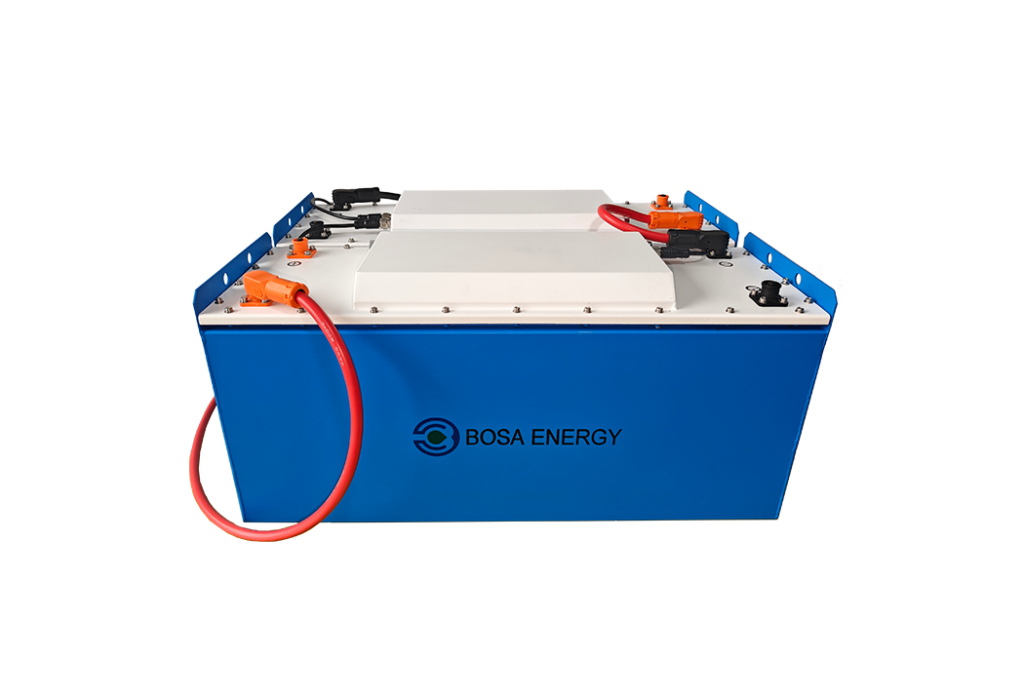
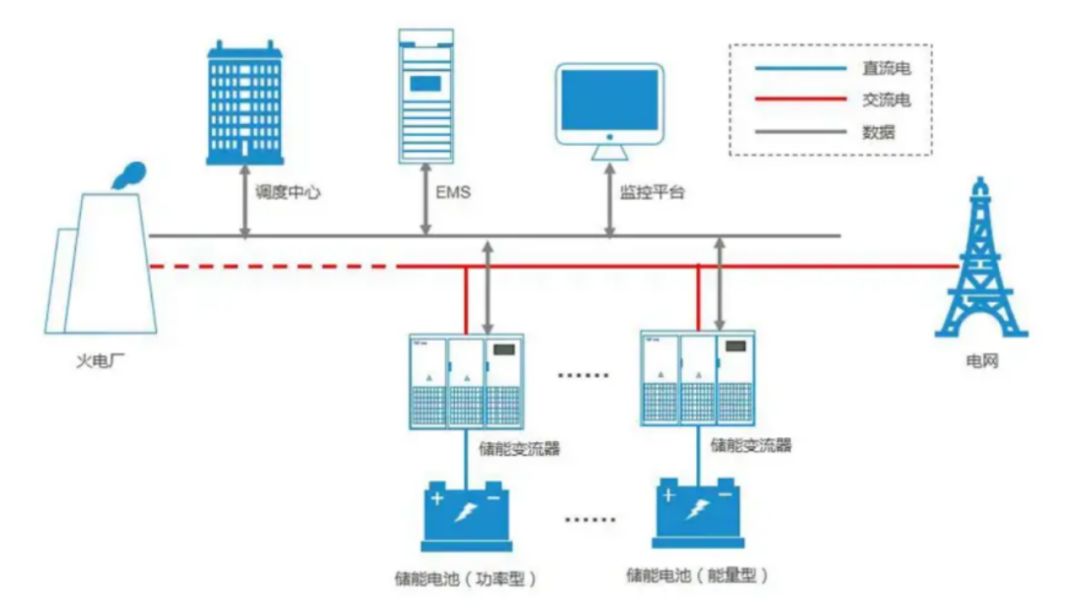
The working principle of a lithium-ion battery energy storage system is to utilize the migration of lithium ions between the positive and negative electrodes to achieve the process of charge and discharge, thereby storing and releasing electrical energy. When the lithium-ion battery energy storage system stores electrical energy, an external power source delivers electrical energy to the system through a converter and boost converter, where the electrical energy is converted into chemical energy. When electrical energy is needed, the lithium-ion battery energy storage system converts the stored electrical energy into direct current (DC) output, which is then supplied to external loads through inverters and other equipment. Lithium-ion batteries have undergone years of development, resulting in mature technology. Their modular design and containerized integrated solutions are suitable for various application environments, including power storage, home energy storage, emergency power vehicles, stationary power stations, renewable energy grid connection, user-side applications, grid-side applications, and ancillary services.

6. Sodium-ion battery energy storage
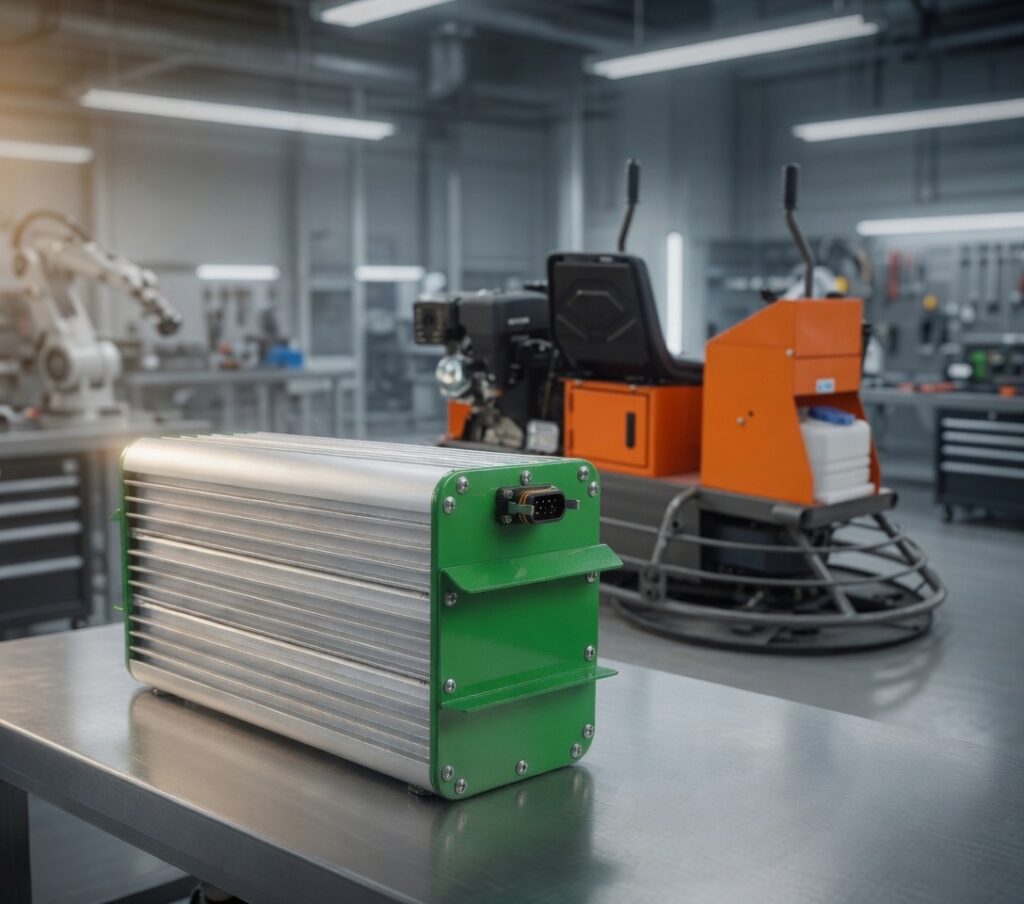
The structure and working principle of sodium-ion batteries are the same as those of lithium-ion batteries. In applications such as frequency regulation and starting power supplies, the high-rate charge-discharge characteristics of sodium-ion batteries can well support system operation.
7. Flow Battery Energy Storage
Flow batteries mainly consist of a fuel cell stack and two electrolyte tanks. They achieve the interconversion of electrical and chemical energy through reversible redox reactions between the active materials in the positive and negative electrode electrolyte solutions. Currently, vanadium redox flow batteries are widely used commercially due to their high safety, long cycle life, and ease of capacity expansion. However, the presence of a circulation pump increases energy consumption and failure rate, and vanadium crystals may precipitate in the electrolyte at low temperatures. Furthermore, their overall cost is approximately 3-4 times that of lithium iron phosphate batteries. These factors limit the development of vanadium redox flow batteries. According to CNESA data, flow batteries account for less than 1% of the new energy storage field.
8. Hydrogen Energy Storage
Hydrogen energy storage technology is developed by utilizing the interconversion between electricity and hydrogen energy. Hydrogen energy storage can store both electricity and hydrogen and its derivatives (such as ammonia and methanol). It is based on an “electricity-hydrogen-electricity” conversion process, using surplus renewable energy to electrolyze water to produce hydrogen, which is then stored or supplied to downstream industries. During peak electricity demand periods, the stored hydrogen energy can be used in fuel cells to generate electricity and feed it into the public grid. Hydrogen as an energy storage medium allows for large-scale, long-term, and cross-seasonal storage, and will play a crucial role in new power systems.