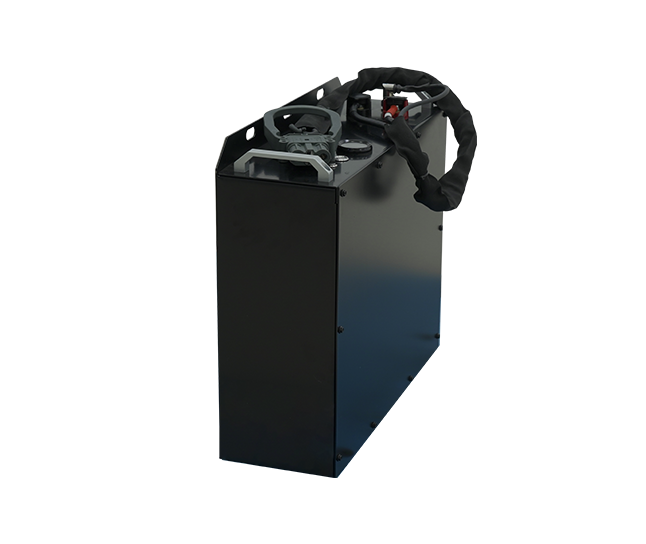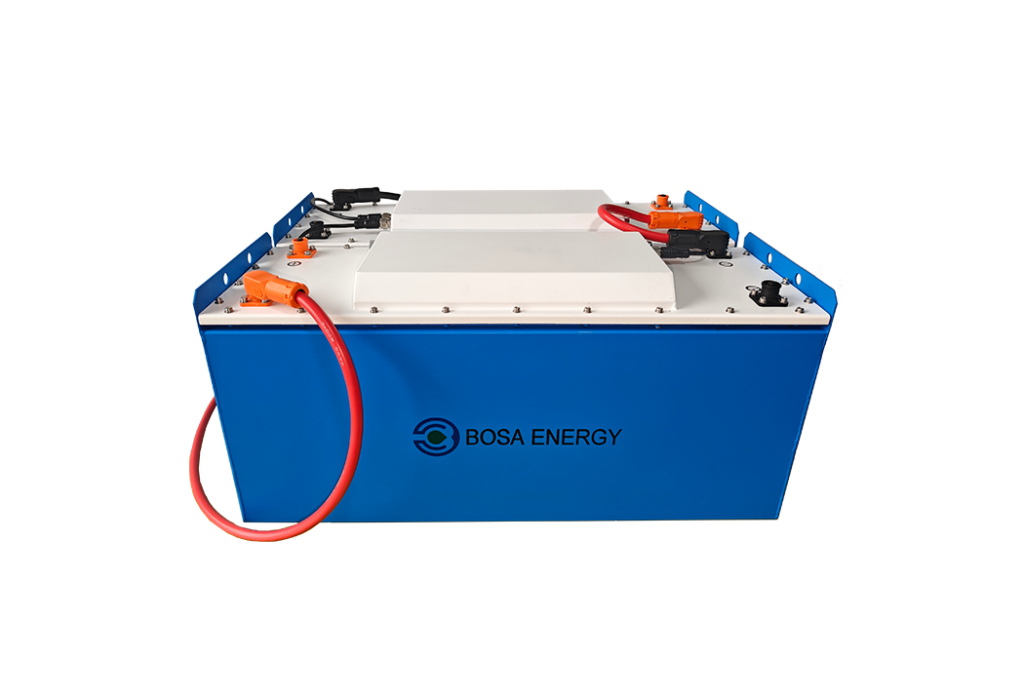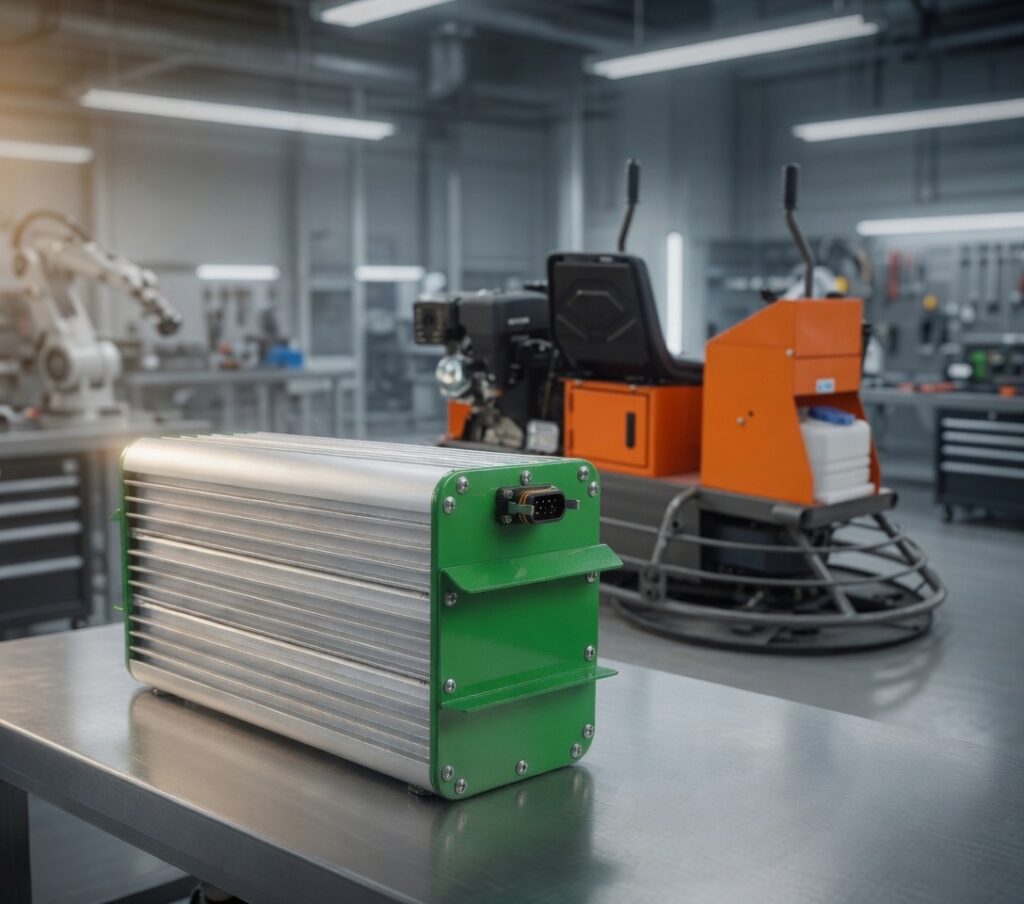

What is battery casing bulging?
Definition of Phenomenon
During use or storage, gas buildup inside a battery causes increased pressure, leading to expansion and deformation of the casing.
Internal Mechanism
This is a macroscopic manifestation of an abnormal chemical reaction occurring inside the battery and is one of the important indicators of battery failure.
Potential Risks
If not addressed promptly, it may further lead to serious safety accidents such as leakage, fire, or even explosion.
Cause of Shell Bulging 1: Internal Gas Generation
①Electrolyte Decomposition
Under conditions such as overcharging and high temperature, the electrolyte undergoes a decomposition reaction, producing gases such as CO2 and CH4, which is one of the main sources of gas.

②SEI Film Rupture and Repair
The SEI film on the negative electrode surface repeatedly ruptures and repairs during cycling. This process continuously consumes electrolyte and generates gas.
③Reaction of Moisture and Impurities
Moisture or metallic impurities introduced during the production process can react chemically with the electrolyte, producing gases such as hydrogen.
Cause of Shell Bulging 2: Improper Use
①Overcharging and Over-discharging
Prolonged charging leading to overcharging, or continuing to use the battery after it’s completely depleted leading to over-discharging, will exacerbate internal side reactions and accelerate gas production.

②Using Inferior Chargers
Non-original or inferior chargers cannot accurately control voltage and current, easily leading to battery overcharging and damaging battery life.
③High-Temperature Environments
Charging or using the battery in high-temperature environments will accelerate electrolyte decomposition and SEI film damage, significantly increasing the gas production rate.
Causes of Battery Bulging 3: Manufacturing Defects and Aging
①Manufacturing Process Defects
Process defects during manufacturing, such as electrode burrs, separator wrinkles, and inadequate sealing, can lead to internal micro-short circuits or moisture ingress, posing inherent risks to battery bulging.
②Battery Aging and High Temperature Effects
With increased usage time, the active materials inside the battery are depleted, internal resistance increases, the SEI film thickens, and internal side reactions intensify. High-temperature environments (such as exposure to direct sunlight) accelerate this process, ultimately leading to increased gas production and bulging.

The Essence of the Explosion: Thermal Runaway
①90-120°C: SEI Film Decomposition
SEI film decomposition releases initial heat and gas, triggering the reaction.
②130-180°C: Separator Melting and Short Circuit
Separator melting causes direct contact between the positive and negative electrodes, initiating an internal short circuit and a rapid temperature rise.
③150-250°C: Positive Electrode Decomposition and Oxygen Production
Positive electrode material decomposes, releasing oxygen, which reacts violently with the electrolyte, accelerating the temperature rise.
④Final Result: Combustion and Explosion
The electrolyte burns, causing the battery to burn or even explode, resulting in serious consequences.
Three Triggering Conditions for Thermal Runaway
①Mechanical Abuse
The battery is subjected to external impacts such as collisions, compression, or punctures, leading to internal structural damage and short circuits.
②Electrical Abuse
The battery experiences electrical anomalies such as overcharging, over-discharging, or external short circuits, causing internal reactions to run out of control.
③Thermal Abuse
The battery is exposed to high temperatures, or the cooling system fails, causing heat to accumulate and triggering thermal runaway.
Thermal Runaway Propagation: Domino Effect
In a battery pack, thermal runaway from a single cell can rapidly spread to other cells, creating a “domino effect.” This propagation primarily occurs through three mechanisms:
①Heat Conduction: The high-temperature cell directly transfers heat to adjacent cells via metal components.
②Heat Radiation: The high-temperature cell heats the surrounding environment and other cells through infrared radiation.
③Heat Convection: The flow of high-temperature gases within the battery pack diffuses heat to other areas.
Preventive measure 1: Material and design optimization
①Selecting High-Stability Materials
Materials with higher thermal stability are preferred, such as LFP batteries, whose thermal runaway temperature is generally higher than that of NMC batteries, thus reducing the risk of fire from the source.

②Optimize battery structure design
Adopt innovative structures and technologies to improve impact resistance, optimize spatial layout, and enhance the overall stability of the battery pack.
③Multiple safety devices have been added.
A built-in explosion-proof valve allows for directional pressure relief when pressure is too high; a fuse device is designed to automatically cut off the circuit in the event of a short circuit to prevent heat spread.
Preventive measure 2: Intelligent monitoring and thermal management
①BMS
As the “brain” of the battery, the BMS is responsible for monitoring the voltage, current, and temperature of each cell in real time, performing active balancing, predicting fault risks, and initiating protective measures (such as cutting off power) in case of abnormalities.

②High-efficiency thermal management system
Uses liquid cooling, air cooling, and other methods to control the battery operating temperature within the optimal range (typically 25-40℃), preventing localized overheating and suppressing the occurrence and propagation of thermal runaway.
Preventive measure 3: Use according to regulations
Use original or certified chargers and avoid overcharging or over-discharging.
Avoid high temperatures, humidity, or direct sunlight.
Do not disassemble, squeeze, or puncture the battery.
Discontinue use immediately if you notice any abnormalities such as bulging or overheating.