
Introduction
Maintaining clean, safe, and compliant floors isn’t just about appearance—it’s a strategic operational priority for warehouses, manufacturing plants, distribution centers, airports, hospitals, and large retail facilities. In high-traffic, high-contamination environments, manual mopping falls short in efficiency, consistency, and hygiene. That’s where the industrial floor scrubber steps in: a purpose-built, motorized cleaning solution engineered to remove grime, oil, dust, and biofilm from hard surfaces at scale. For B2B decision-makers—from facility managers and operations directors to procurement specialists—selecting the right industrial floor scrubber directly impacts labor costs, regulatory compliance (OSHA, FDA, ISO), equipment uptime, and long-term ROI. This guide cuts through the noise with practical, evidence-based insights to help you invest wisely.
What Is an Industrial Floor Scrubber?
An industrial floor scrubber is a heavy-duty, self-propelled or manually guided machine designed to clean large commercial and industrial floor areas using a coordinated three-step process: scrubbing (applying detergent and agitation via rotating brushes or pads), suction (vacuuming dirty water into a recovery tank), and drying (often via squeegee-assisted extraction). Unlike residential or light-commercial units, industrial models feature reinforced chassis, high-capacity tanks (30–120+ gallons), powerful brush motors (1–5 HP), robust vacuum systems (up to 120” water lift), and corrosion-resistant components built for 8–16 hours of daily operation. They’re compatible with a wide range of floor types—including epoxy-coated concrete, VCT, quarry tile, polished terrazzo, and sealed wood—and engineered to handle tough contaminants like cutting fluids, grease, rubber marks, and chemical residues common in production settings.
Types of Industrial Floor Scrubber
Choosing the right type depends on facility size, layout complexity, daily square footage, operator availability, and cleaning frequency. Here are the three primary categories:
Walk-Behind Scrubbers
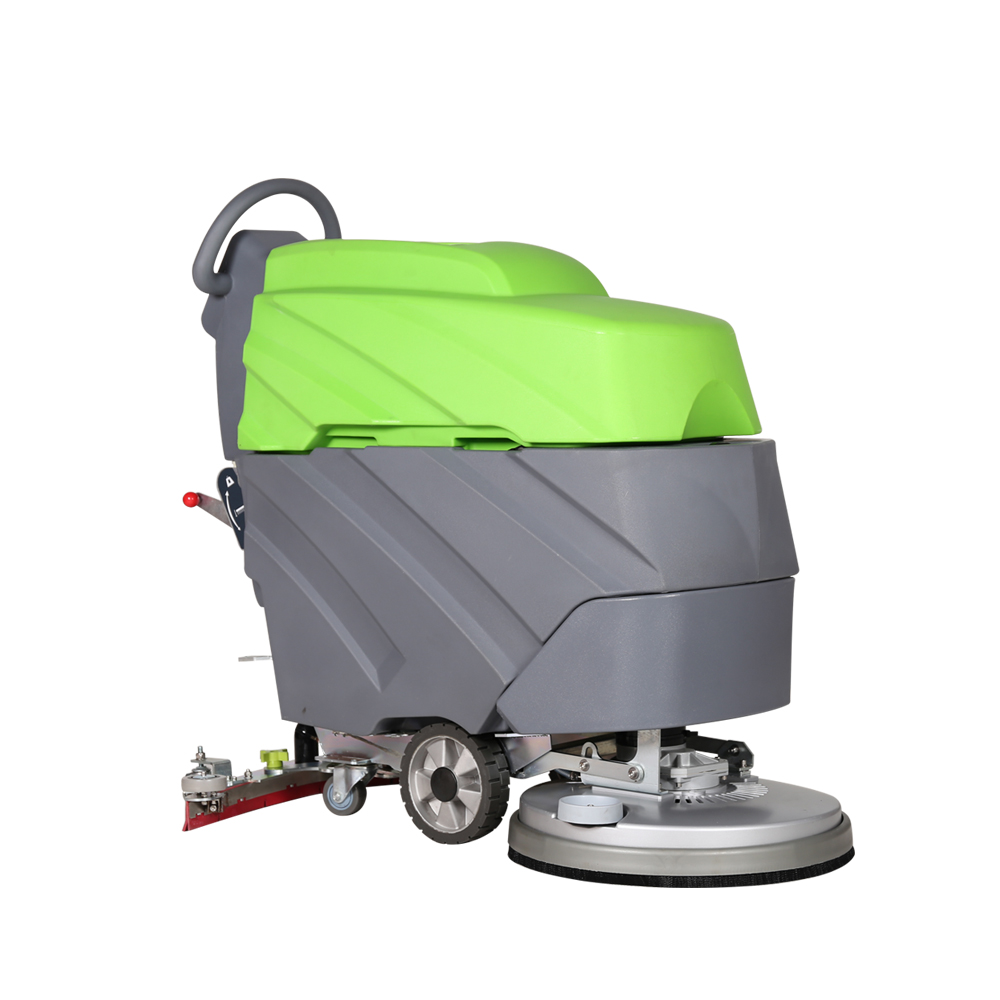
Ideal for mid-size facilities (20,000–75,000 sq. ft.) with narrow aisles, tight corners, or mixed-use zones (e.g., food processing lines, hospital corridors). These compact, maneuverable units offer excellent control, low upfront cost ($8,000–$18,000), and minimal training requirements. Modern walk-behinds feature ergonomic handles, intuitive digital dashboards, and optional eco-mode for reduced water/detergent use.
Ride-On Scrubbers
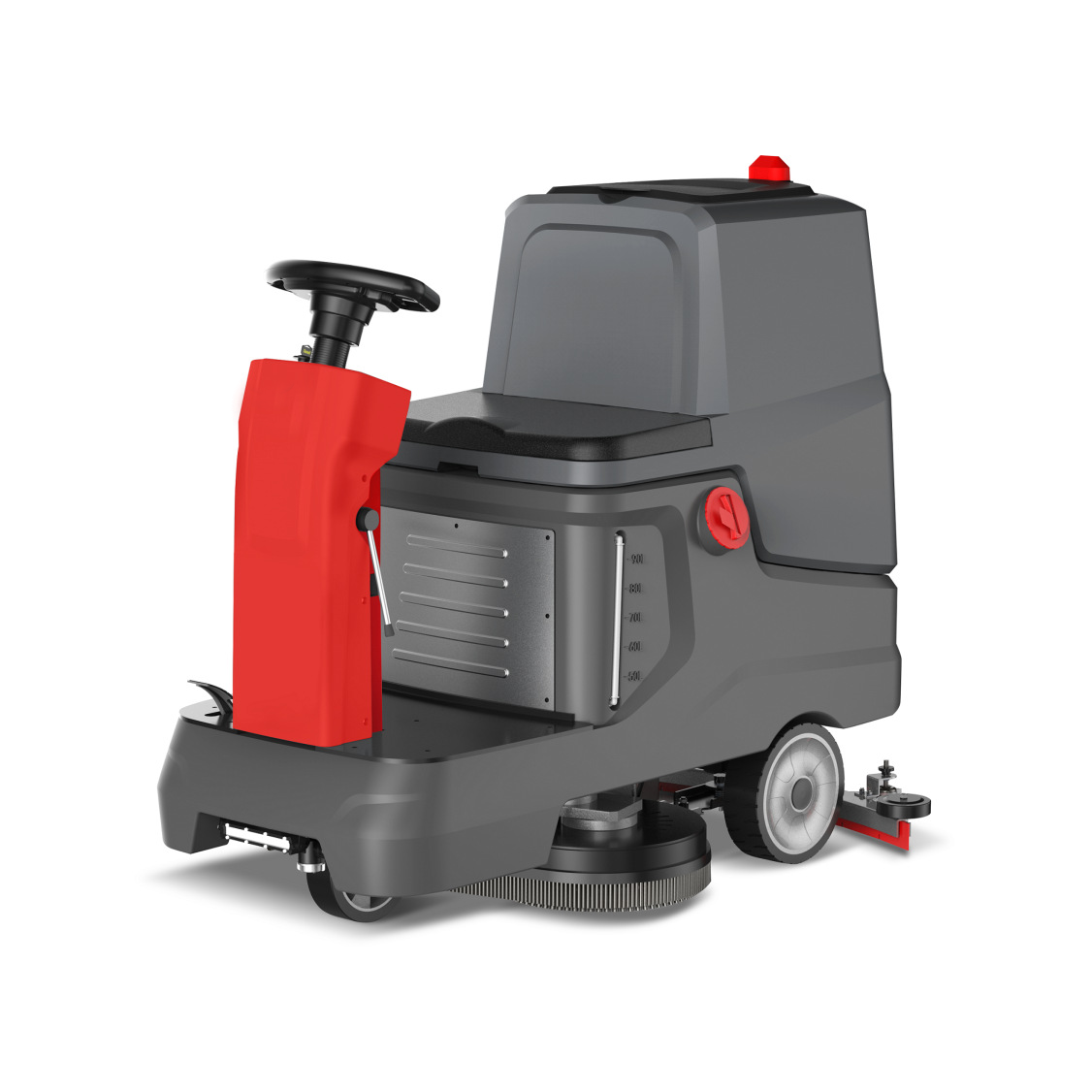
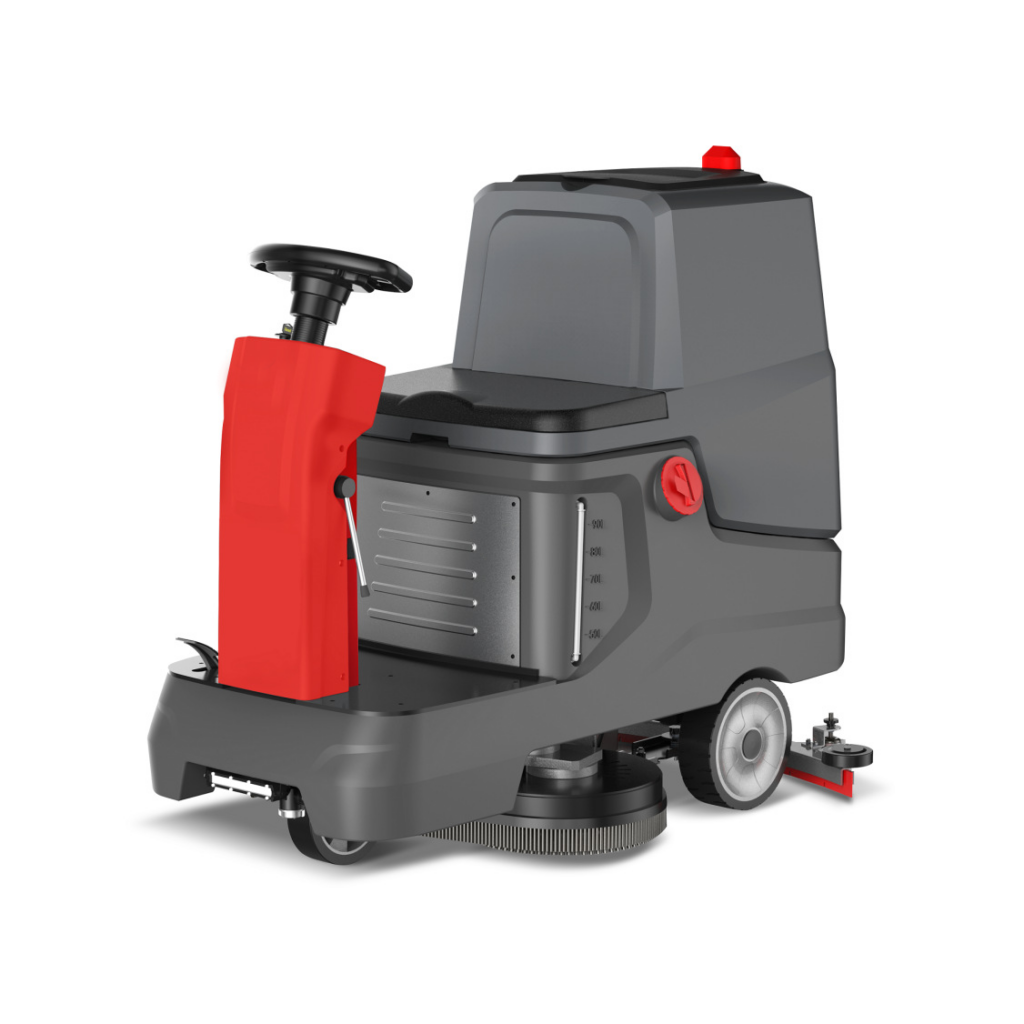
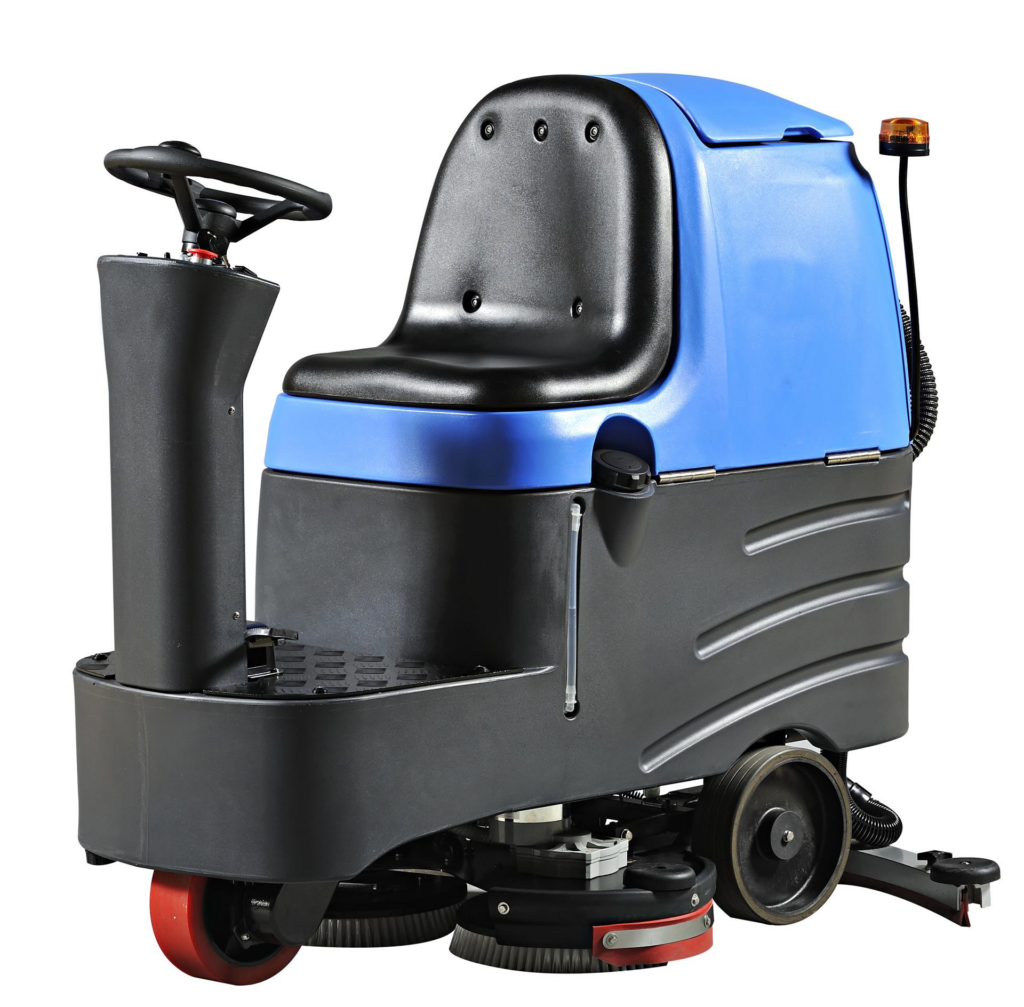
Best suited for large, open-floor environments—warehouses, logistics hubs, big-box retail, or airport terminals—covering 100,000+ sq. ft. per shift. With operator seating, enhanced visibility, and speeds up to 5 mph, ride-ons dramatically reduce labor hours and fatigue. Advanced models include lithium-ion battery options (8–10 hr runtime), regenerative braking, and telematics for fleet monitoring. Price range: $25,000–$65,000.
Autonomous (Auto-Scrubber) Systems
The frontier of industrial cleaning automation. These AI-powered, LiDAR-guided machines map facilities, avoid obstacles, and execute scheduled cleaning routes without human intervention. While still premium ($45,000–$95,000), ROI accelerates in 24/7 operations—reducing overnight labor costs by up to 60% and ensuring consistent cleaning standards across shifts. Ideal for data-sensitive or labor-constrained industries (pharma, aerospace, e-commerce fulfillment).
Benefits of Using an Industrial Floor Scrubber
Investing in the right scrubber delivers measurable, cross-functional value:
✅ Labor Efficiency: One operator can clean 3–10x more area per hour than manual mopping—freeing staff for higher-value tasks.
✅ Consistent Hygiene & Compliance: Removes 99.8% of surface pathogens (per third-party microbiological testing) and meets stringent sanitation standards (e.g., USDA-FSIS, GMP, HACCP).
✅ Floor Longevity: Prevents abrasive buildup and chemical residue that degrade coatings and increase slip risk—extending floor life by 2–4 years.
✅ Cost Savings: Reduces water usage by up to 75%, detergent consumption by 40%, and mop replacement costs by 90%. ROI typically achieved in 12–24 months.
✅ Safety & Risk Mitigation: Eliminates wet-floor hazards (a leading cause of OSHA-recordable slips/trips), improves traction, and supports EHS reporting with digital cleaning logs.
How to Choose the Right Industrial Floor Scrubber
Follow this 5-point B2B evaluation framework before finalizing your purchase:
- Assess Your Cleaning Scope Map total square footage, floor types, traffic patterns, and contaminant profile (e.g., “oil-heavy machining area” vs. “low-dust pharmaceutical corridor”). Use this to determine required scrub path width (20”–48”), tank capacity, and brush pressure (PSI).
- Evaluate Operational Constraints Consider ceiling height (for overhead obstructions), door widths, ramp inclines, battery charging infrastructure, and available storage space. Ride-ons need ≥7’ clearance; autonomous units require stable Wi-Fi/LiDAR mapping zones.
- Prioritize Key Performance Metrics Look beyond marketing specs. Verify real-world performance:
- Cleaning speed: Measured in sq. ft./hr under load, not theoretical max.
- Recovery rate: ≥95% water pickup prevents streaking and re-soiling.
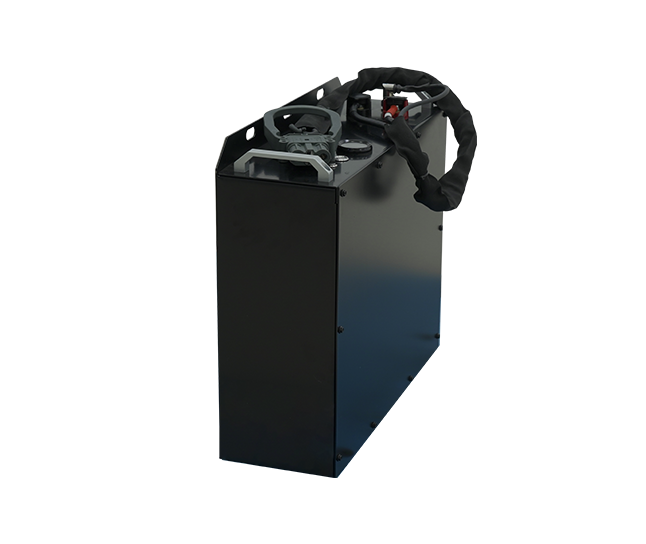
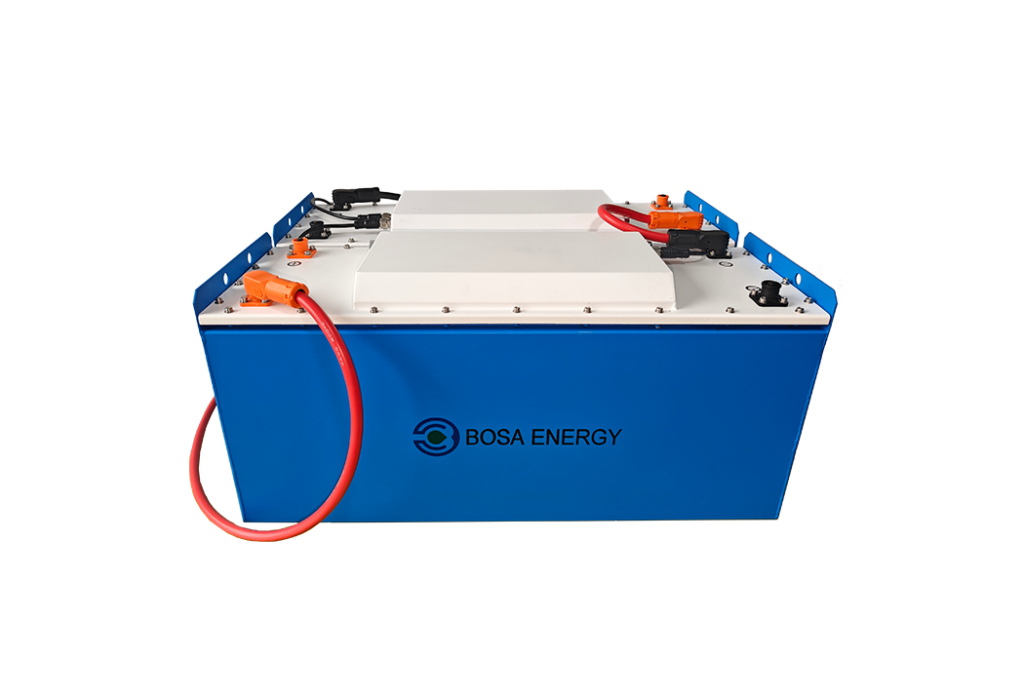
- Battery runtime: Test under typical load—not just idle. Lithium-ion offers 30% longer life vs. lead-acid.
- Review Total Cost of Ownership (TCO) Factor in 5-year costs: purchase price, service contracts, consumables (brushes, filters, batteries), energy use, and expected downtime. A $35K ride-on with 5-year warranty and modular parts may cost less than a $28K unit requiring proprietary repairs every 6 months.
- Validate Support & Integration Partner with manufacturers offering local certified technicians, loaner units during service, remote diagnostics, and API-compatible fleet management software (e.g., integration with CMMS like UpKeep or IBM Maximo).
Maintenance Tips for Maximum Uptime
Preventative maintenance isn’t optional—it’s your #1 uptime safeguard. Implement this quarterly checklist:
🔹 Daily: Empty and rinse both solution and recovery tanks; inspect squeegee blades for nicks or warping; clean vacuum filter and brush housing.
🔹 Weekly: Check brush wear (replace if bristles are <½” tall); verify battery electrolyte levels (for lead-acid) or state-of-charge calibration (lithium); lubricate pivot points.
🔹 Quarterly: Replace vacuum seals and squeegee rubber; test all safety interlocks (emergency stop, tilt sensors); calibrate solution flow rate with a graduated cylinder.
🔹 Annually: Conduct full hydraulic and electrical system diagnostics; replace drive belts and brush motor bearings if operating >2,000 hrs/year.
Pro Tip: Keep a digital logbook (or use OEM apps like Tennant’s TRUV™ or Nilfisk’s FleetLink) to track service history, predict failures, and justify CapEx renewals.
Common Mistakes to Avoid
❌ Overlooking Floor Compatibility: Using aggressive rotary brushes on soft VCT or unsealed stone causes irreversible swirl marks. Always match brush type (cylindrical, disc, pad) and RPM to substrate.
❌ Ignoring Water Quality: Hard water + detergent = mineral scaling in pumps and valves. Install inline water softeners or use chelating detergents in high-mineral areas.
❌ Skipping Operator Training: 68% of premature wear stems from improper startup/shutdown sequences or incorrect solution dilution. Require OEM-certified training—even for “intuitive” models.
❌ Delaying Squeegee Replacement: Worn blades leave puddles, increasing slip risk and negating your scrubber’s drying advantage. Replace every 50–75 operating hours.
❌ Buying Based on Price Alone: The lowest bid often hides hidden costs—non-standard parts, limited service coverage, or lack of regulatory documentation (e.g., UL 1284 certification for hazardous locations).
FAQ
Q1: How loud are industrial floor scrubbers? Do they meet OSHA noise standards?
A: Most modern units operate at 65–72 dBA at operator position—well below OSHA’s 85 dBA 8-hour exposure limit. Look for models with sound-dampened brush motors and enclosed vacuum housings.
Q2: Can industrial scrubbers be used on outdoor concrete?
A: Yes—but only models rated IP54 or higher with corrosion-resistant stainless steel components. Avoid using them in standing water or freezing temperatures unless specifically designed for exterior use.
Q3: Are there eco-friendly options?
A: Absolutely. Many manufacturers now offer “green” certifications (Green Seal GS-42, ISSA CIMS-GB), low-VOC detergent compatibility, water recycling kits, and ENERGY STAR®-qualified battery systems.
Q4: How often do I need to replace brushes and pads?
A: Depends on usage and floor abrasiveness. On average: cylindrical brushes last 100–200 hrs; disc brushes 80–150 hrs; microfiber pads 30–50 cleanings. Track via onboard hour meters.
Q5: Can I integrate scrubber data into my existing facility management software?
A: Yes—most Tier-1 brands (Tennant, Nilfisk, Advance, Bosch) offer open API or pre-built connectors for CMMS, ERP (SAP, Oracle), and IoT platforms. Confirm integration scope during vendor demos.
Conclusion
Selecting an industrial floor scrubber is far more than a capital equipment decision—it’s a strategic investment in operational resilience, workforce safety, regulatory readiness, and sustainable facility management. By understanding the distinctions between walk-behind, ride-on, and autonomous models—and applying a disciplined, TCO-driven selection process—you’ll move beyond “clean floors” to achieve measurable improvements in labor productivity, asset longevity, and brand reputation. Remember: the highest-performing scrubber isn’t the flashiest one—it’s the one precisely matched to your facility’s physical realities, workflow rhythms, and long-term growth plan. Start with a site assessment, involve frontline operators in trials, and partner with a supplier committed to lifecycle support—not just a transaction. When deployed intentionally, your industrial floor scrubber becomes a silent, high-return member of your operations team.