

The three-electric system is the main component of electric ships
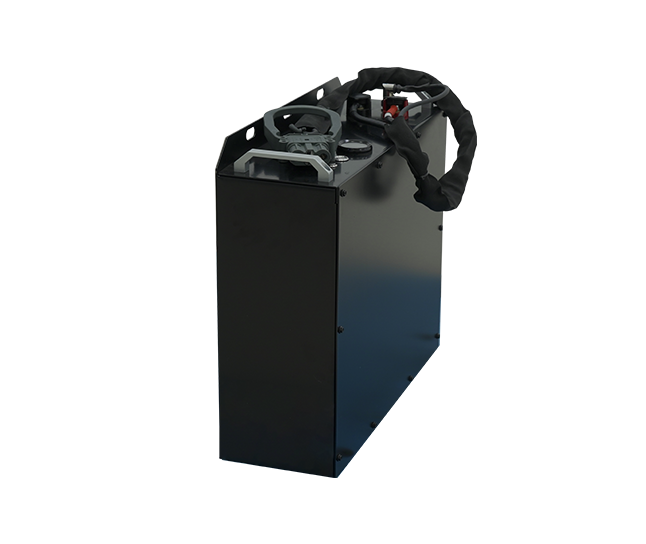
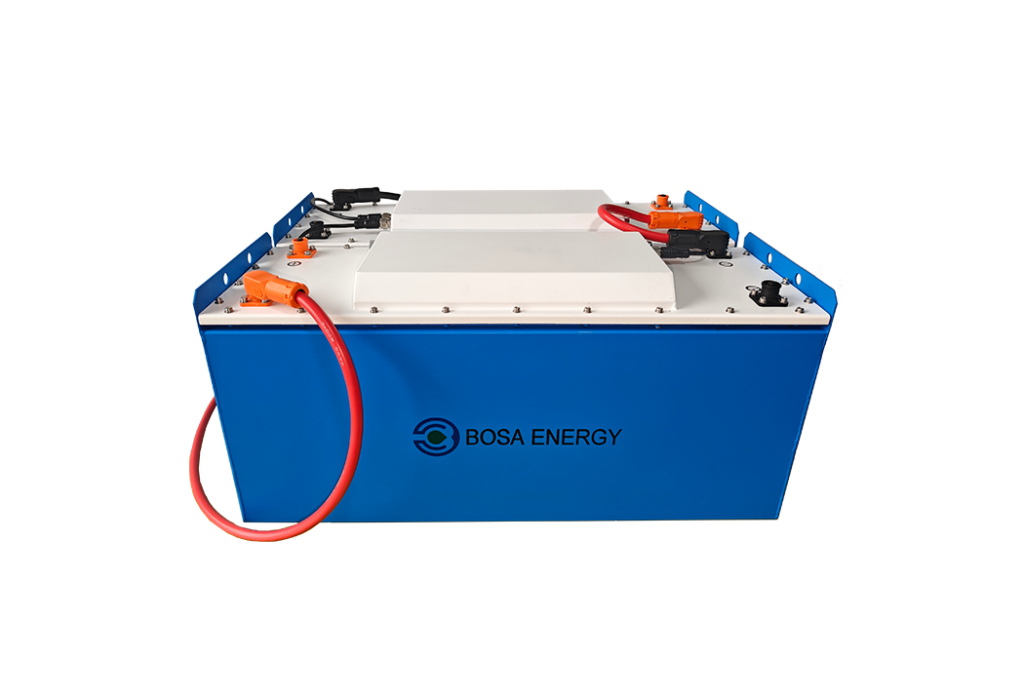
Battery system: mainly includes two parts: battery and BMS. Battery is the power source of electric ships, and its performance and cost are dominant. At present, China’s ship lithium batteries mainly use iron-lithium batteries, which usually need to have the characteristics of high consistency, high safety, high performance, and long life. The combination of battery system and BMS can achieve stable and efficient operation.

Electric control system: The electric control system includes network control equipment and distribution unit. The network control equipment includes central processing unit, screen display unit, switch and communication module unit, etc. The distribution equipment includes distribution board, starter, shore power box and emergency charging and discharging board, etc.
Propulsion system: mainly includes propulsion inverter, propulsion motor and propeller, which is the power unit of electric ships. According to different power networking technologies, electric propulsion can be divided into AC networking and DC networking. At present, DC networking is the mainstream technical route. Compared with AC networking, the system integration is higher. Because the distribution board and some transformers are omitted, the volume and weight are reduced, and the fuel consumption and noise are also reduced.

Shore power system is the core supporting equipment of electric ships
Shore power system refers to the system that supplies power to ships from the port during the normal operation of the ship at the port. It is also called the port shore power system or the shore power system used by ships at the port.
The main components of the shore power system include:
Shore power supply: including power stations, substations and distribution devices, etc., which can use traditional power networks or renewable energy such as solar energy and wind energy for power supply.
Shore cable: The cable system connecting the shore power supply and the ship needs to have high strength, corrosion resistance and insulation performance.
Ship interface equipment: including shore power interface equipment and ship receiving equipment. The shore power interface equipment is located on the shore and is responsible for connecting power from the shore cable to the ship.
Control and monitoring system: Equipment used to control the operation of the shore power system and monitor power transmission. It can monitor power load, voltage, frequency and other parameters in real time, and adjust and manage them.