
Effect of charge and discharge rate on battery performance
1. Problems with rapid charge and discharge
① Battery heating
Rapid charge and discharge will generate a large current inside the battery, causing the battery to heat up. Excessive temperature may affect the performance and life of the battery.
② Increased internal stress
Large current charge and discharge will generate greater stress inside the battery, which may cause deformation or even damage to the battery structure.
③ Poor contact between active material and current collector
Rapid charge and discharge may cause poor contact between active material and current collector, reduce the conductivity of the battery, and affect the charge and discharge efficiency of the battery.
2. Limitation of high-rate discharge
When discharging at a high rate, the energy output of the battery will be limited. This may not meet the needs of certain high-performance applications, such as acceleration and climbing of electric vehicles.
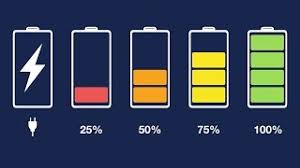
Effect of charge and discharge rate on battery capacity
The effect of charge and discharge rate on battery capacity is mainly reflected in the following aspects:
1. When charging quickly, the chemical reaction inside the battery may not proceed evenly. This will cause the active material in some areas to over-react, while other areas will not react fully. If this continues for a long time, the battery capacity will gradually decrease.
2. Rapid discharge will also have an adverse effect on battery capacity. High-rate discharge will accelerate the chemical reaction inside the battery, generating more heat and pressure. This may cause damage to the internal structure of the battery, deactivate the active substances, and thus reduce the capacity of the battery. For example, in some high-power application scenarios, such as power tools, frequent rapid discharge will cause the battery capacity to decay rapidly.
3. Unreasonable charge and discharge rates will also affect the cycle life of the battery. Frequent rapid charge and discharge will cause the chemical structure inside the battery to change continuously, accelerate the aging of the battery, thereby reducing the number of times the battery can be charged and discharged, and further reducing the battery capacity.