
Compare sodium battery vs lithium battery for commercial and industrial applications. This B2B guide covers chemistry, cost, lifespan, safety, supply chain resilience—and how BOSA supports informed, future-ready energy storage decisions.
Introduction
As global demand for scalable, sustainable energy storage accelerates—driven by renewable integration, grid stabilization, and electrification of industrial assets—B2B buyers face a pivotal technical and strategic decision: sodium battery vs lithium battery. Unlike consumer-grade comparisons, this choice impacts total cost of ownership (TCO), project timelines, regulatory compliance, and long-term supply chain security. While lithium-ion remains the dominant technology, sodium-ion batteries are rapidly maturing as a viable alternative—particularly for stationary storage, backup power, and mid-duration applications where ultra-high energy density is less critical than safety, cost stability, and material ethics. This guide cuts through marketing noise to deliver actionable, procurement-ready insights—grounded in real-world performance data, lifecycle economics, and supplier capabilities.
What Is Sodium Battery vs Lithium Battery?
At their core, both sodium (Na-ion) and lithium (Li-ion) batteries are rechargeable electrochemical devices that store and release energy via ion shuttling between electrodes. The fundamental difference lies in the charge carrier:
– Lithium-ion batteries use lithium ions (Li⁺) moving from anode (typically graphite) to cathode (e.g., NMC, LFP, or LCO) during discharge. They offer high energy density (150–250 Wh/kg), mature manufacturing, and broad application coverage—from EVs to data center UPS.
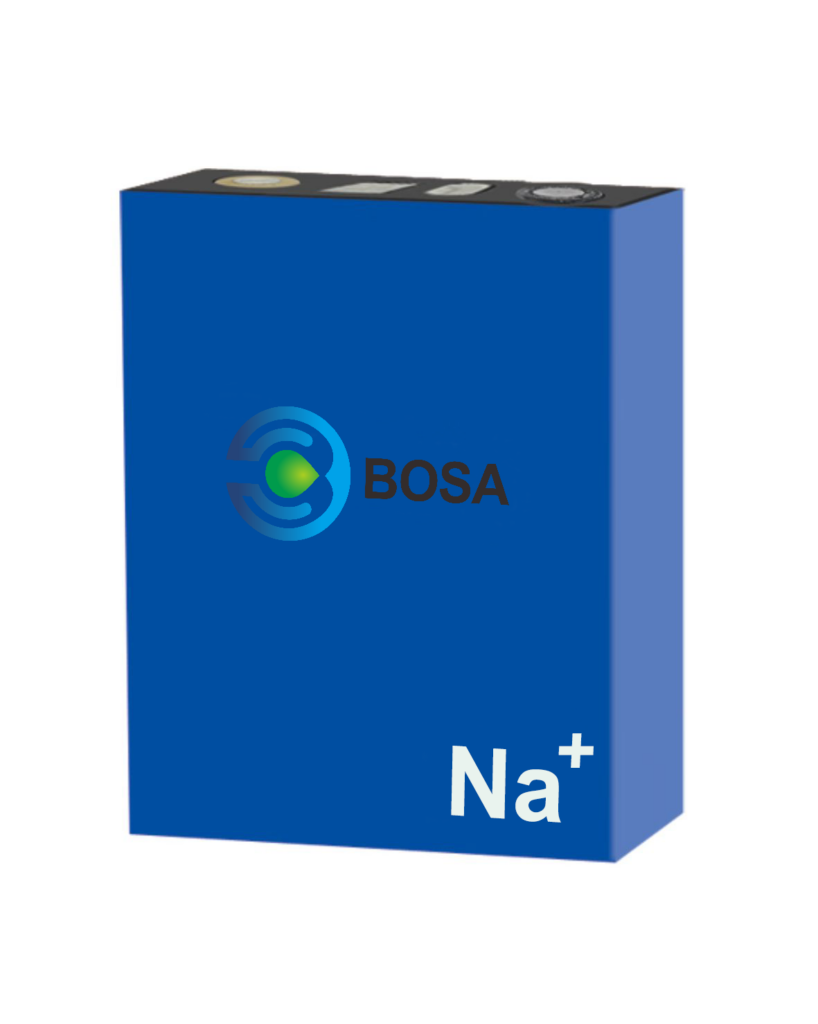
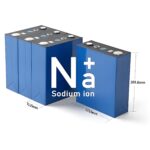
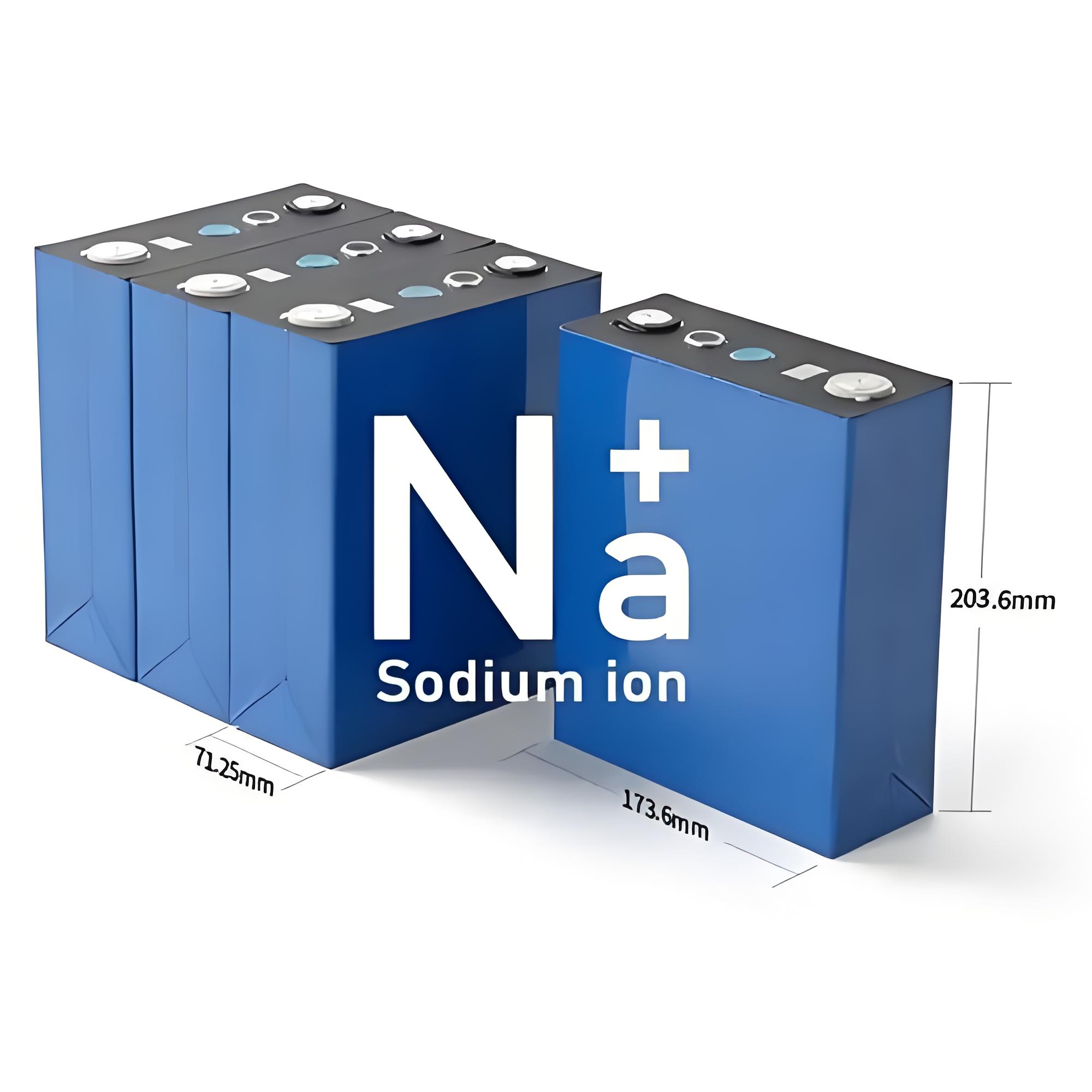
– Sodium-ion batteries use abundant sodium ions (Na⁺), which are larger and heavier than lithium ions. This results in lower theoretical energy density (100–160 Wh/kg), but enables advantages in raw material availability, thermal stability, and low-temperature performance. Cathodes often use layered oxides (e.g., NaNiMnO₂) or Prussian blue analogues; anodes commonly employ hard carbon instead of graphite.
Crucially, “sodium battery vs lithium battery” isn’t a binary replacement—it’s a complementary portfolio strategy. For B2B buyers, the optimal solution depends on application requirements—not just chemistry.
Types of Sodium Battery vs Lithium Battery
Understanding subtypes helps align technology with use case:
Lithium-ion variants most relevant to B2B:
LFP (Lithium Iron Phosphate): High safety, >3,500 cycles, cobalt-free, moderate energy density. Ideal for ESS, telecom, and industrial UPS.
NMC (Nickel Manganese Cobalt): Higher energy density and power, but more sensitive to thermal runaway and price volatility (especially cobalt/nickel). Common in mobile and high-performance stationary systems.
LTO (Lithium Titanate Oxide): Exceptional cycle life (>20,000 cycles) and wide temperature range, but low energy density and high cost—used in niche industrial and grid-frequency regulation roles.
Sodium-ion variants gaining commercial traction:
Layered Oxide Cathode + Hard Carbon Anode: Balanced performance, scalable production, and strong cycle life (>4,000 cycles at 80% DoD). Dominant in current BOSA commercial modules.
Prussian Blue Analogue (PBA) Cathode: Lower cost, faster kinetics, excellent low-temperature operation—but slightly lower voltage and energy density. Emerging in cold-climate microgrids.
Polyanionic Cathode (e.g., Na₃V₂(PO₄)₃): High voltage and stability, but complex synthesis. Still largely in pilot phase.
BOSA offers pre-qualified, UL-certified sodium-ion and LFP battery systems—designed for seamless integration into existing BMS architectures and certified for IEC 62619 (industrial batteries) and UL 1973. Their modular 20–100 kWh rack-mounted units support rapid deployment across utility-scale BESS, C&I solar-plus-storage, and critical infrastructure backup.
Benefits: Sodium Battery vs Lithium Battery
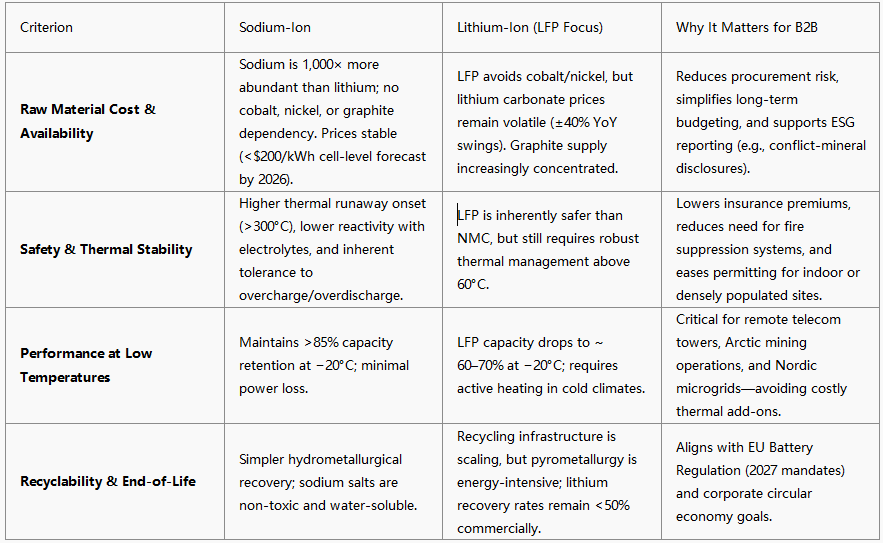
How to Choose the Right Sodium Battery vs Lithium Battery
Selecting between sodium and lithium isn’t about picking a “winner”—it’s about matching chemistry to your operational profile:
✅ Choose sodium-ion if:
- Your application prioritizes TCO over peak energy density (e.g., 4–8 hour grid arbitrage, solar self-consumption, backup for HVAC or lighting).
- You operate in extreme cold or require passive thermal management.
- Supply chain resilience, ethical sourcing, or tariff-sensitive procurement (e.g., U.S. IRA or EU CBAM compliance) is mandatory.
- You’re building a multi-technology portfolio to hedge against commodity shocks.
✅ Choose lithium (LFP) if:
- Space or weight constraints dominate (e.g., mobile gensets, retrofitting legacy UPS cabinets).
- You need proven, bankable 10+ year warranties backed by decades of field data.
- Integration with existing lithium-native BMS or OEM platforms is non-negotiable.
How BOSA Supports Informed Decisions
BOSA provides vendor-agnostic technical advisory services—including comparative LCOE modeling, site-specific thermal and degradation analysis, and interoperability testing with leading inverters (e.g., SMA, Fronius, Huawei). Their engineering team co-develops specification documents with procurement managers, ensuring alignment across performance, safety, certification, and service-level agreements. With localized support hubs in North America, EU, and APAC—and ISO 9001/14001-certified manufacturing—BOSA enables procurement teams to de-risk adoption without sacrificing speed or standards compliance.
Maintenance Tips
Both chemistries benefit from disciplined operational discipline:
- Avoid continuous 100% SoC storage: Keep sodium-ion at 30–80% SoC for long-term storage; LFP at 40–60%.
- Monitor cell imbalance quarterly: Use BOSA’s cloud-connected BMS to flag deviations >30 mV—early correction extends pack life by up to 25%.
- Validate firmware updates: BOSA releases quarterly OTA updates addressing thermal derating algorithms and state-of-health estimation refinements.
- Schedule annual thermographic scans: Especially for outdoor enclosures—identify hot spots before they cascade into module failure.
Common Mistakes
1. Assuming sodium-ion is “just cheaper lithium”: Its voltage curve, SOC estimation behavior, and charging protocol differ. Retrofitting without BMS recalibration risks underutilization or premature aging.
2. Overlooking system-level certification: A cell-level UL 1642 rating ≠ system-level UL 9540A (thermal propagation) approval. BOSA delivers full-system certifications—not just components.
Neglecting local grid interconnection rules: Some utilities require specific fault-ride-through (FRT) profiles—BOSA’s inverters comply with IEEE 1547-2018 and EN 50549.
3. Delaying supplier due diligence until RFP stage: Lead times for custom-configured sodium systems can exceed 20 weeks. Engage BOSA’s technical sales team during feasibility studies.
4. Ignoring service network depth: BOSA maintains certified field engineers within 4 hours of 92% of Tier-1 industrial zones—critical for SLA-backed uptime guarantees.
FAQ
Q1: How do sodium-ion batteries compare to lithium iron phosphate (LFP) in real-world cycle life?
A: Modern sodium-ion cells now achieve 4,000–4,500 cycles at 80% DoD (tested per IEC 62660-2), approaching LFP’s 4,000–6,000 cycles. However, sodium-ion degrades more linearly—making end-of-life prediction more consistent. BOSA’s warranty covers 10 years or 4,000 cycles, whichever comes first.
Q2: Are sodium batteries safe for indoor data center backup?
A: Yes—BOSA’s sodium-ion systems have passed UL 9540A (thermal runaway propagation) and meet NFPA 855 indoor installation requirements without mandatory sprinklers, unlike many NMC-based alternatives.
Q3: Can I integrate sodium batteries with my existing lithium-based BMS?
A: Not natively—but BOSA offers CAN/Modbus gateways and API-enabled BMS that translate sodium-specific parameters (e.g., flat voltage plateau) into standard SOC/SOH signals compatible with Schneider, Eaton, and Generac platforms.
Q4: What certifications should I verify when evaluating sodium battery suppliers?
A: Prioritize IEC 62619 (industrial batteries), UL 1973, UN 38.3 (transport), and regional grid codes. BOSA holds all four—and publishes third-party test reports transparently on its partner portal.
Q5: How does BOSA differentiate itself from other sodium battery providers?
A: BOSA combines vertically integrated cell manufacturing with full-stack system engineering—enabling rapid customization (e.g., IP65 outdoor racks, marine-grade corrosion protection, or explosion-proof enclosures). Unlike pure-cell vendors, BOSA owns the entire value chain: from electrode coating to commissioning support—ensuring accountability, traceability, and single-point responsibility for performance.
Conclusion
The sodium battery vs lithium battery conversation is evolving from theoretical comparison to pragmatic procurement strategy. For forward-looking B2B buyers—whether managing distributed solar fleets, designing resilient microgrids, or specifying backup for mission-critical infrastructure—the choice hinges not on chemistry alone, but on alignment with business objectives: cost predictability, sustainability commitments, operational environment, and long-term service assurance.
Lithium iron phosphate remains the benchmark for applications demanding maximum energy density and proven longevity. Sodium-ion, meanwhile, is no longer “emerging”—it’s commercially deployed, safety-validated, and economically compelling where resilience, ethics, and thermal robustness define success.
BOSA stands at the intersection of both worlds—not as a hype-driven startup, but as a certified, scale-ready partner with deep engineering rigor and global delivery capability. By offering both technologies under one quality framework—and supporting buyers with unbiased advisory, certification transparency, and responsive service—BOSA empowers procurement teams to build energy storage portfolios that are technically sound, ethically grounded, and financially resilient.
The future of industrial energy storage isn’t mono-chemistry. It’s intelligent diversification—backed by trusted execution. And that starts with asking the right questions. Let BOSA help you answer them.