
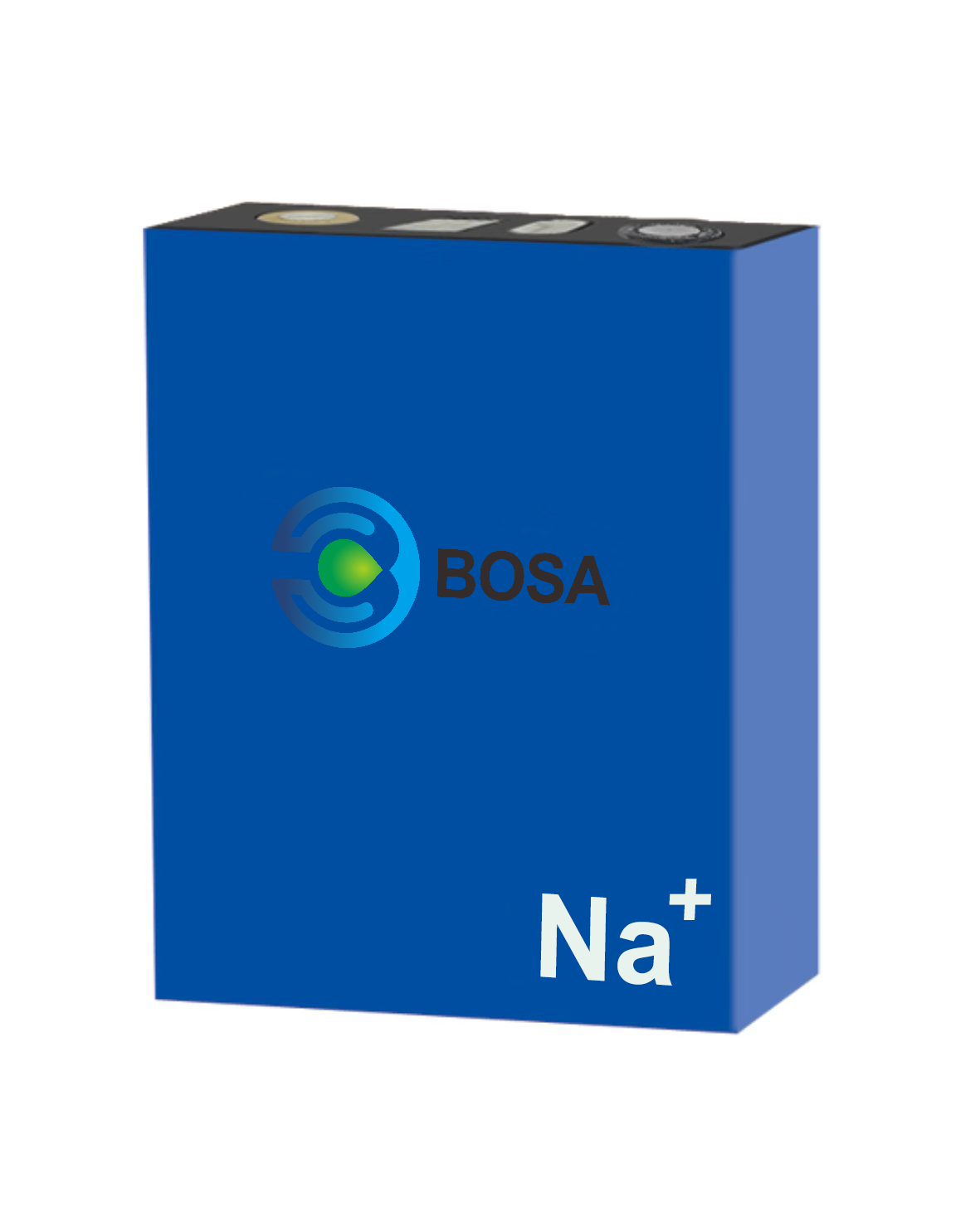
Selecting the optimal sodium-ion solution requires balancing technical specs, compliance, serviceability, and long-term partnership potential. Here’s a practical framework:
🔹 Define Your Use Case First Is this for daily cycling (solar + storage), backup power (low duty cycle), or high-power dispatch (frequency regulation)? Cycle life, depth-of-discharge (DoD), and charge/discharge C-rates must align.
🔹 Verify Certifications & Test Data
🔹 Assess System Integration Readiness Does the supplier provide open-protocol BMS interfaces? Are mechanical and electrical interfaces compatible with your inverters?
🔹 Evaluate Warranty & Support Structure
Maintenance Tips
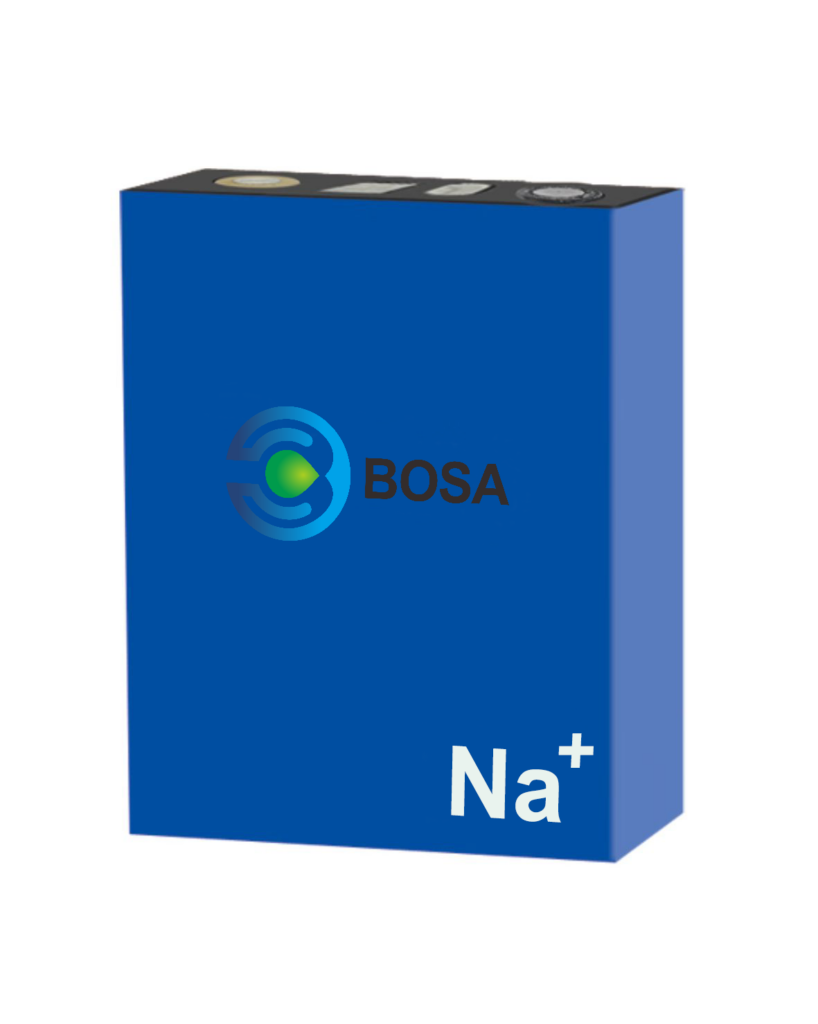
Sodium-ion batteries require significantly less upkeep than lead-acid — but proactive stewardship extends lifespan and ROI:
✔️ Thermal Management: Maintain ambient operating temperature between 15–35°C where possible.
✔️ State-of-Charge (SoC) Management: Avoid prolonged storage above 80% SoC or below 10%. For seasonal assets (e.g., off-grid solar), set BMS to 40–60% SoC during idle periods.
✔️ Firmware Updates: Apply BMS firmware patches quarterly
✔️ Annual Health Checks: Verify voltage balance across modules, inspect busbar connections for corrosion, and validate communication integrity with your EMS.