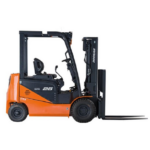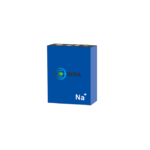

“High capacity forklift batteries” not defined solely by size—but by design intent: supporting Class IV and V forklifts (e.g., counterbalanced trucks, reach stackers, order pickers) operating under continuous load, multi-shift schedules, or extreme ambient conditions. High capacity doesn’t mean “overbuilt”—it means purpose-built for reliability
LFP batteries currently hold a comparative advantage in the market.
Increasingly adopted for high-utilization fleets, lithium batteries provide superior energy density, near-zero maintenance, opportunity charging capability, and consistent voltage throughout discharge.
How to Choose the Right High Capacity Forklift Battery
Selecting the right battery requires more than matching voltage and Ah ratings.
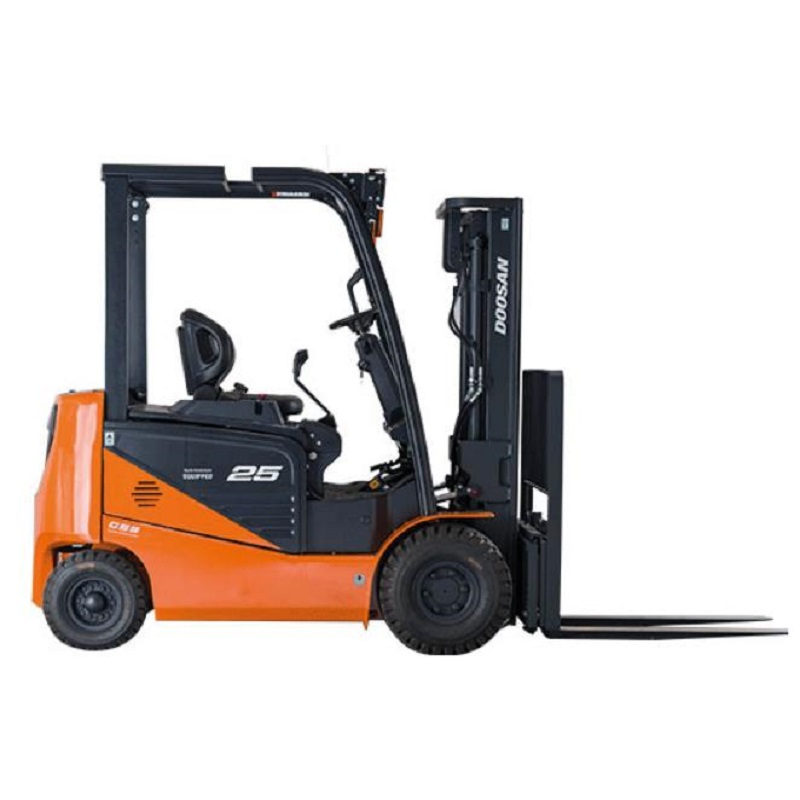
✅ Match to Application Profile
Analyze shift patterns, average load weight, ramp usage, ambient temperature, and charging window availability.
✅ Verify Compatibility & Integration
Confirm physical dimensions, terminal placement, weight distribution, and connector type align with your forklift model and charger.
✅ Assess Total Cost Transparency
This involves comparing not only unit prices but also projected maintenance labor costs, water refill frequency, replacement cycles, and energy consumption. BOSA’s lithium batteries significantly reduce TCO in the long run.
Even high-quality batteries degrade prematurely without disciplined care:
For Lithium Batteries:
- Leverage built-in BMS alerts—review log data quarterly for anomalies (cell imbalance, temperature drift).
- Avoid prolonged 100% SoC storage; maintain 30–60% state-of-charge if idle >30 days.
- Ensure charger firmware is updated to support latest communication protocols.