
Electric vehicle (EV) batteries represent one of the most critical and expensive components in modern automobiles. As the industry scales rapidly, manufacturers face constant pressure to reduce costs, improve safety, enhance performance, and simplify production. This is where VDA modules come into play.
But why are VDA modules used in EV batteries? The answer lies in standardization. Developed by the German Association of the Automotive Industry (Verband der Automobilindustrie, or VDA), these modules provide a unified framework for battery design that delivers significant advantages across the entire value chain—from cell manufacturers and OEMs to repair shops and end consumers.
In this comprehensive guide, we explore the technical, economic, and strategic reasons behind the widespread adoption of VDA modules in electric vehicle battery packs.
What Are VDA Modules?
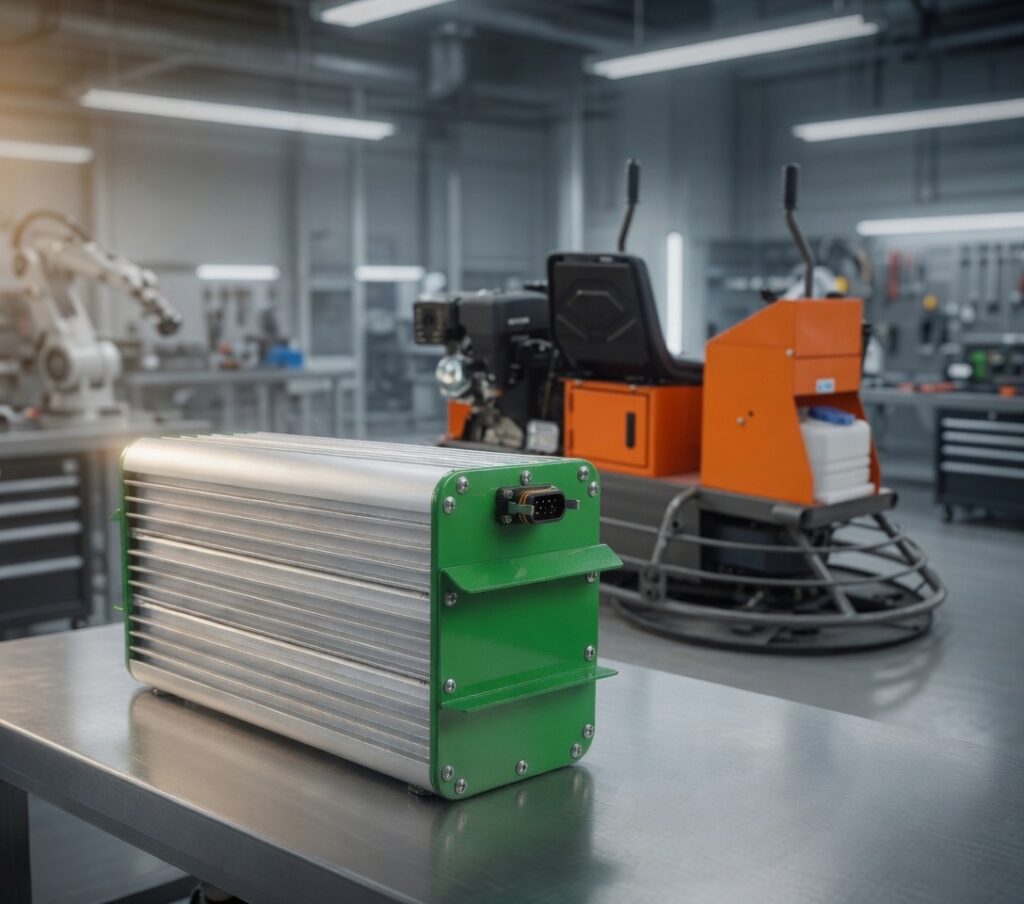
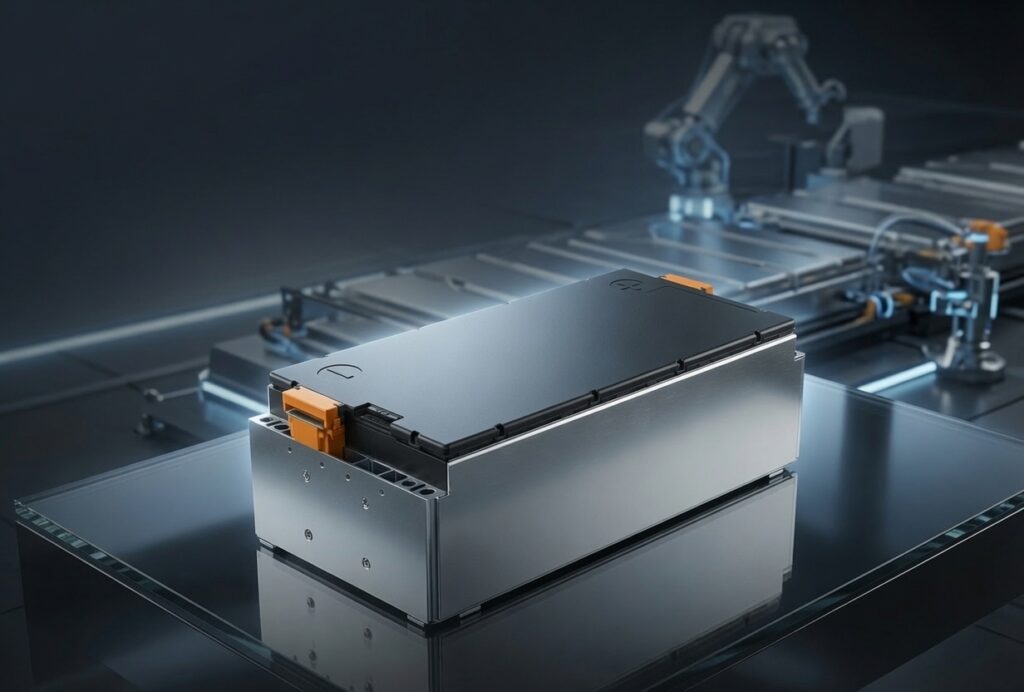
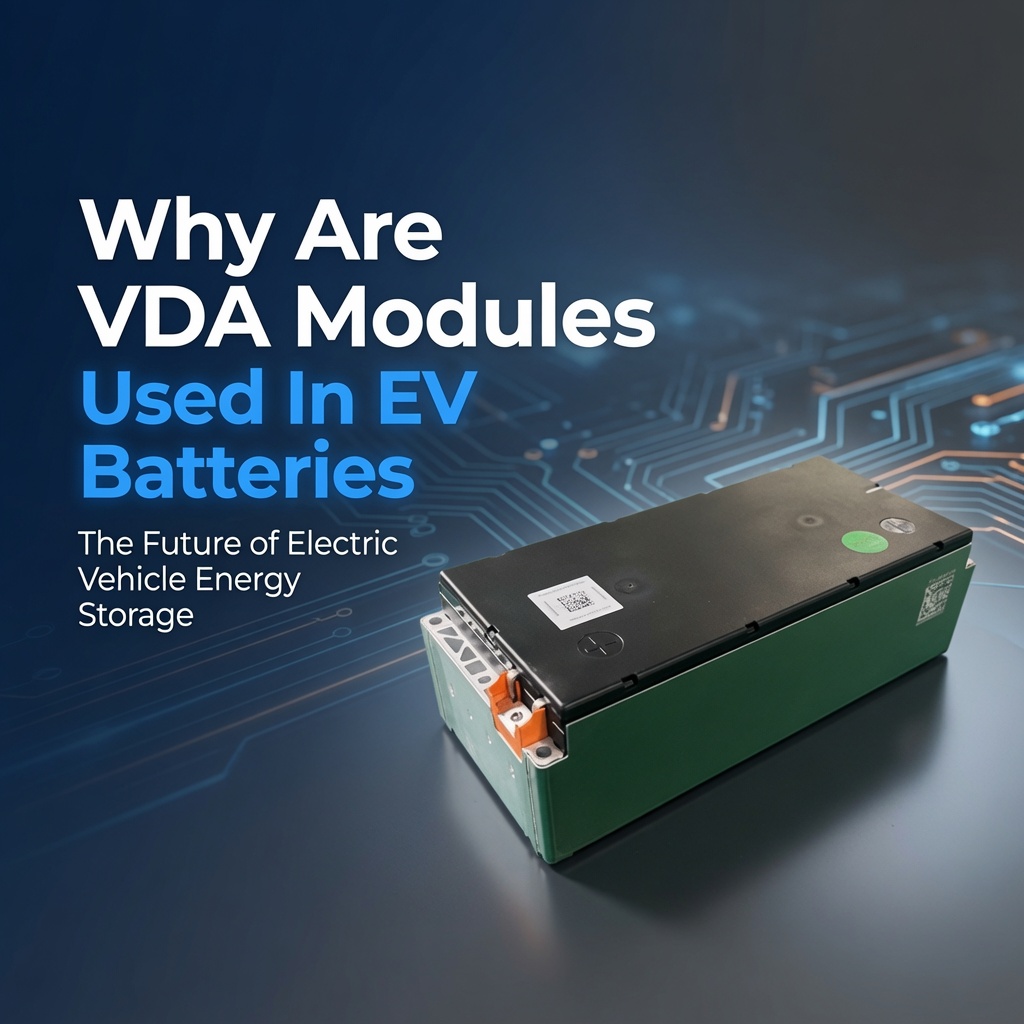
VDA modules are standardized lithium-ion battery modules designed according to specifications set by the VDA. Unlike proprietary battery designs unique to each automaker, VDA modules follow harmonized dimensions, electrical interfaces, mechanical mounting points, thermal management requirements, and safety standards.
Think of them as the “Lego blocks” of EV batteries. Because they share consistent form factors and connection interfaces, modules from different suppliers can often integrate into the same battery pack architecture with minimal redesign.
The most recognized format is the VDA355 module (approximately 355 × 151 × 108 mm). Larger variants, such as the MEB590 module (590 × 225 × 108 mm) developed under Volkswagen’s Modular Electric Drive Matrix (MEB) platform, evolved directly from the original VDA standards.
These modules typically use prismatic lithium-ion cells (often NMC chemistry) arranged in various series-parallel configurations, complete with integrated busbars, temperature sensors, and battery management system (BMS) communication interfaces.
The History Behind VDA Battery Standardization
The VDA introduced its battery module standards around 2012 to address fragmentation in the early EV market. At the time, every automaker and battery supplier used custom module designs. This created:
- High development costs
- Complex supply chains
- Difficulties in maintenance and spare parts management
- Barriers to scaling production
By establishing common specifications, the VDA aimed to accelerate electrification, improve interoperability, and create economies of scale similar to those seen in traditional internal combustion engine components.
Volkswagen later expanded the concept with its MEB platform in 2018, introducing the larger 590 module while remaining compatible with core VDA principles. Today, VDA-style modules are widely used not only by German OEMs but also by many Chinese manufacturers and other global players.
Key Reasons Why VDA Modules Are Used in EV Batteries
1. Industry-Wide Standardization and Interoperability
The primary driver is compatibility. VDA modules allow battery packs to be assembled using modules from multiple suppliers. This flexibility benefits OEMs in several ways:
- Reduced dependence on single suppliers
- Easier qualification of alternative sources
- Simplified platform sharing across vehicle models
- Faster time-to-market for new EV models
Interoperability also extends to aftermarket and second-life applications. Standardized modules are far easier to repurpose for stationary energy storage once they retire from vehicles.
2. Significant Cost Reduction Across the Value Chain
Standardization enables true mass production. When dozens of manufacturers build to the same dimensions and interfaces, tooling, testing equipment, and production lines can be shared or replicated at lower cost.
Specific cost benefits include:
- Lower per-unit manufacturing costs through economies of scale
- Reduced R&D duplication (no need to design unique modules for every vehicle)
- Simplified procurement and lower inventory carrying costs
- Decreased capital expenditure on custom fixtures and assembly equipment
- More competitive bidding among battery suppliers
Industry analyses consistently show that standardized modules can reduce overall battery system costs by 10–20% compared to fully custom designs.
3. Improved Safety and Quality Consistency
VDA standards incorporate rigorous requirements for:
- Mechanical protection and crash performance
- Electrical safety and high-voltage isolation
- Thermal management and propagation prevention
- Abuse testing and environmental durability
Because modules must meet these uniform criteria regardless of manufacturer, quality and safety become more predictable. This consistency is especially valuable for global OEMs managing complex supply chains.
4. Enhanced Performance and Design Optimization
Standardized dimensions allow engineers to focus optimization efforts on cell chemistry, cooling systems, and pack-level integration rather than reinventing module architecture for every project.
Benefits include:
- Higher packing efficiency and better energy density at the pack level
- Improved thermal performance through proven layouts
- Easier integration of advanced features like cell-to-module bonding or direct liquid cooling
- More accurate simulation and modeling across platforms
The larger MEB590 module, for example, delivers approximately 6.85 kWh per module at around 221 Wh/kg, demonstrating how scaling within standardized frameworks can improve overall system performance.
5. Simplified Maintenance, Repair, and Lifecycle Management
For service networks and fleet operators, standardized modules are a game-changer:
- Modules can be swapped quickly with common tools and interfaces
- Spare parts inventory is dramatically reduced
- Diagnostic procedures become more uniform across brands
- Second-life battery applications become economically viable
This directly translates into lower total cost of ownership for EV owners and higher residual values.
6. Stronger and More Resilient Supply Chains
A standardized module ecosystem creates multiple qualified suppliers for the same component. This reduces risk from geopolitical disruptions, raw material shortages, or individual factory issues—critical lessons learned during recent global supply chain challenges.
VDA355 vs. MEB590: Understanding Common Formats
| Module Type | Dimensiones (largo × ancho × alto) | Typical Cell Configuration | Approx. Weight | Energy Capacity | Key Advantage |
|---|---|---|---|---|---|
| VDA355 | 355 × 151 × 108 mm | 12 cells (various thicknesses) | Varies | Varies | High versatility, compact |
| MEB590 | 590 × 225 × 108 mm | 24 / 12 / 8 cells | ~31 kg | ~6.85 kWh | Higher energy, cost efficiency |
These formats illustrate how the VDA framework supports both compact passenger car applications and higher-capacity needs.
How VDA Modules Compare to Proprietary Designs
While VDA modules dominate in Europe and are popular in China, some manufacturers (notably Tesla with its cylindrical cells and structural battery packs) prefer fully proprietary solutions.
Proprietary advantages include maximum design freedom and potentially higher energy density in specific use cases. However, they come with higher development costs, longer qualification times, and greater supply chain risk.
For most mainstream OEMs seeking to scale quickly and control costs, VDA modules offer the better balance of performance, flexibility, and economics.
The Future of Standardized EV Battery Modules
As EV adoption accelerates and battery gigafactories multiply, standardization is expected to deepen. Emerging trends include:
- Further evolution of VDA-style modules for 800V architectures
- Greater emphasis on repairability and circular economy principles
- Potential convergence with other regional standards
- Integration with cell-to-pack and cell-to-chassis technologies while retaining modular benefits
The VDA framework continues to evolve, ensuring it remains relevant as battery technology advances.
Preguntas frecuentes
What does VDA stand for? VDA stands for Verband der Automobilindustrie, the German Association of the Automotive Industry.
Is VDA355 the only VDA module size? No. While VDA355 is the most common, larger formats such as the MEB590 have been developed based on the same standardization principles.
Are VDA modules only used in German cars? No. Many Chinese EV manufacturers and other global suppliers produce and use VDA-compatible modules.
Do VDA modules improve EV safety? Yes. The standards include specific requirements for mechanical, electrical, and thermal safety, leading to more consistent safety performance across suppliers.
Can VDA modules be used for second-life energy storage? Absolutely. Their standardized design makes repurposing retired EV modules for stationary storage far more practical and cost-effective.
Conclusion: Why VDA Modules Matter for the EV Future
The adoption of VDA modules in EV batteries is not merely a technical preference—it is a strategic enabler of faster, safer, and more affordable electrification. By promoting interoperability, driving down costs, enhancing safety, and simplifying the entire lifecycle of battery systems, VDA standardization helps the industry overcome some of its biggest scaling challenges.
As battery technology continues to advance, the core principles behind VDA modules—consistency, compatibility, and efficiency—will remain essential. Whether you are an automaker, battery supplier, fleet operator, or simply an EV enthusiast, understanding why VDA modules are used provides valuable insight into how the electric vehicle revolution is being built on a foundation of smart standardization.
For manufacturers and engineers looking to optimize their next EV battery platform, embracing VDA standards (or VDA-compatible designs) remains one of the most proven paths to competitive advantage in today’s dynamic market.
This article is based on publicly available industry standards, technical specifications from VDA-aligned manufacturers, and established practices in the global EV battery supply chain. For specific engineering or procurement decisions, always consult the latest official VDA documentation and qualified battery system integrators.