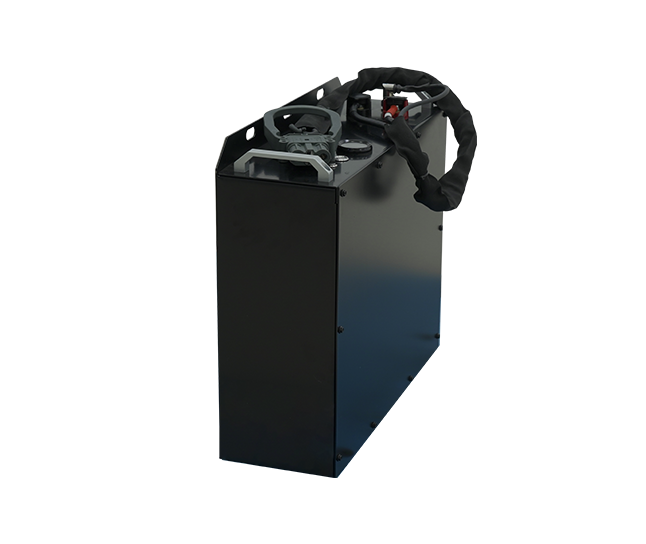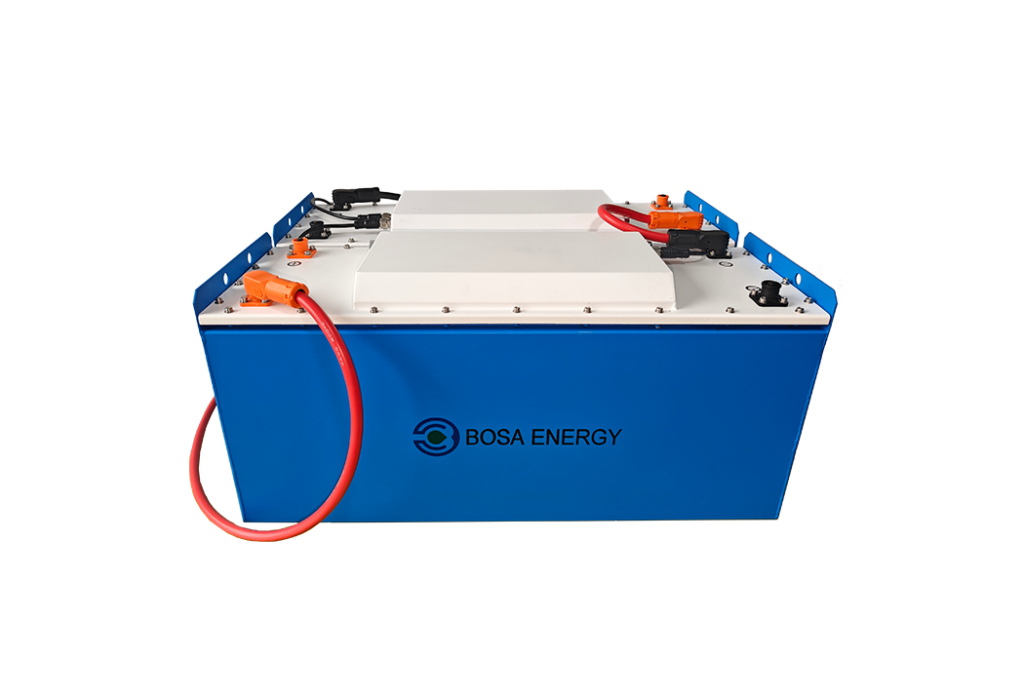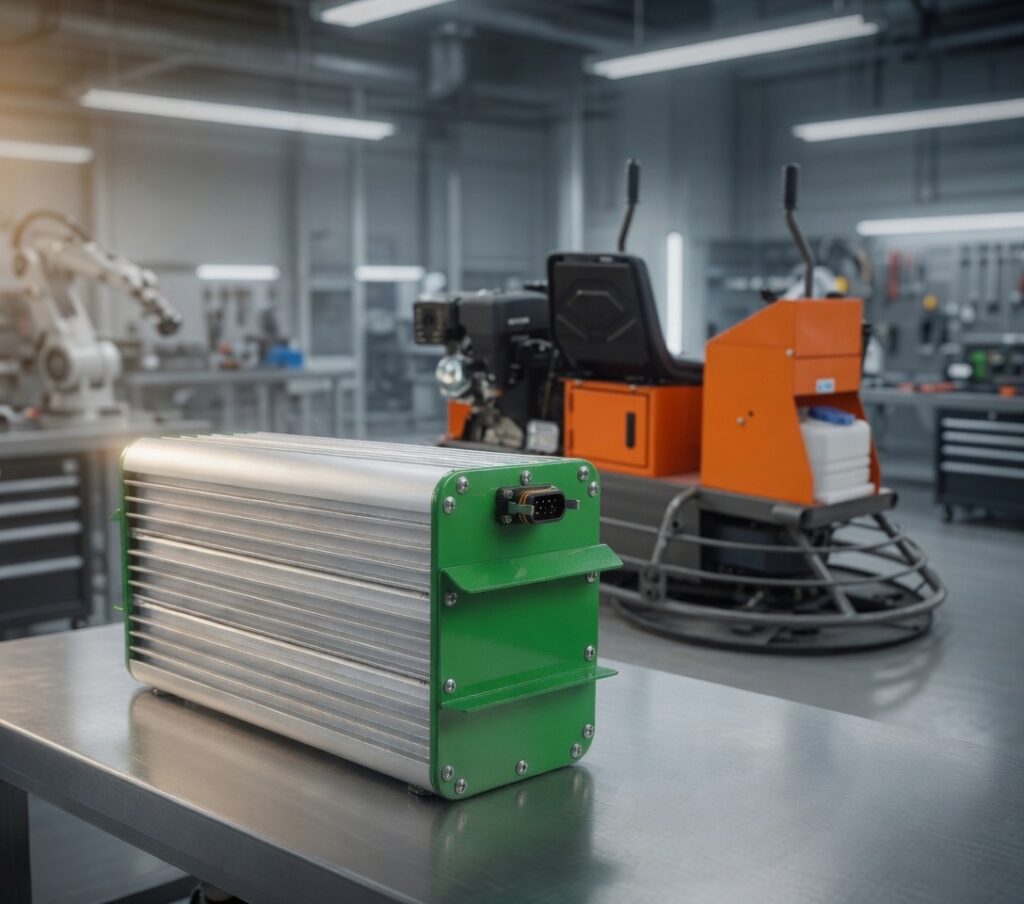

There are many types of electrolyte additives that can effectively improve the performance of lithium batteries. Electrolyte additives can specifically improve various aspects of lithium battery performance, such as conductivity, flame retardancy, overcharge protection, and rate performance. Although additives only account for about 3% of the electrolyte mass, they play a significant role in the differentiated competition of electrolytes due to the different properties of different types of additives.
Based on their working principle, additives can be classified into film-forming additives, high-voltage additives, flame-retardant additives, overcharge protection additives, high and low temperature performance improving additives, and acid and water removal additives, etc. Different types of additives improve the performance of lithium batteries in different ways.
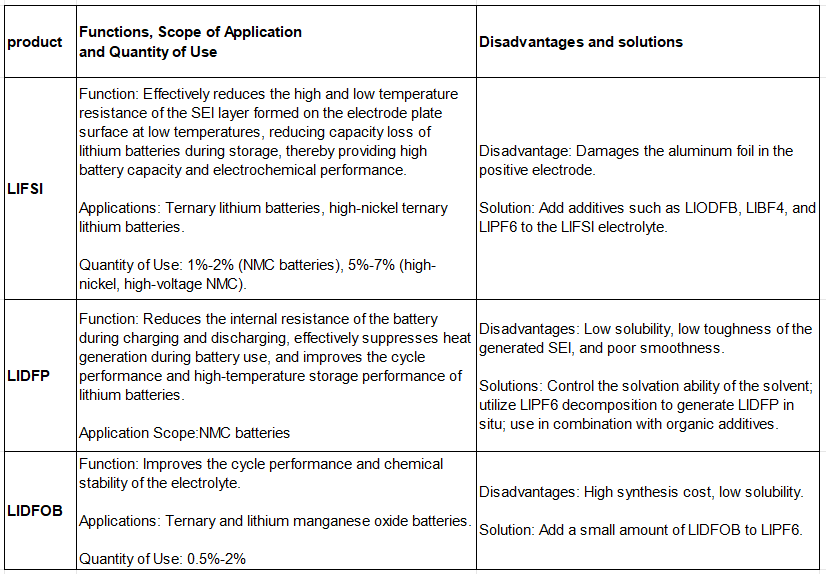
VC and FEC are the mainstream additives, and the application of new additives is gradually increasing. Currently, commonly used electrolyte additives mainly include vinylene carbonate (VC), fluoroethylene carbonate (FEC), and propane sulfonate lactone (PS). Among them, VC and FEC together account for 65% of the additive market share, representing the highest application rate. Meanwhile, with the continuous development of lithium batteries, customized electrolyte formulations are becoming increasingly common, and single VC additives are insufficient to meet changing demands. New additives such as DTD, LiFSI (currently mainly used as additives), LIDFP, and LIDFOB are seeing increased application.
Different additives have different functions and addition ratios in different lithium batteries. VC and FEC are currently the core additives in lithium batteries, both contributing to the formation of the SEI film on the graphite anode. VC is added at a ratio of 2%-7% in lithium batteries, generally used in conjunction with 1,3-PS. Specifically, the addition ratio is 1%-2% in NMC batteries, 3%-5% in power lithium iron phosphate batteries, and as high as 4%-6% in energy storage lithium iron phosphate batteries due to their low-rate, long-cycle requirements.
FEC is mainly used in high-voltage 3C batteries and NMC lithium batteries, with an addition ratio of 5%-9%, especially suitable for silicon-based anodes. It is almost never added in lithium iron phosphate batteries. DTD is mainly used in NMC lithium batteries, with an addition ratio of 0.5-3%. LiFSI, due to its higher price, is currently mainly used as an additive, with an addition ratio of 1%-2% in ordinary NMC batteries and 5-7% in high-voltage or high-nickel NMC batteries.