
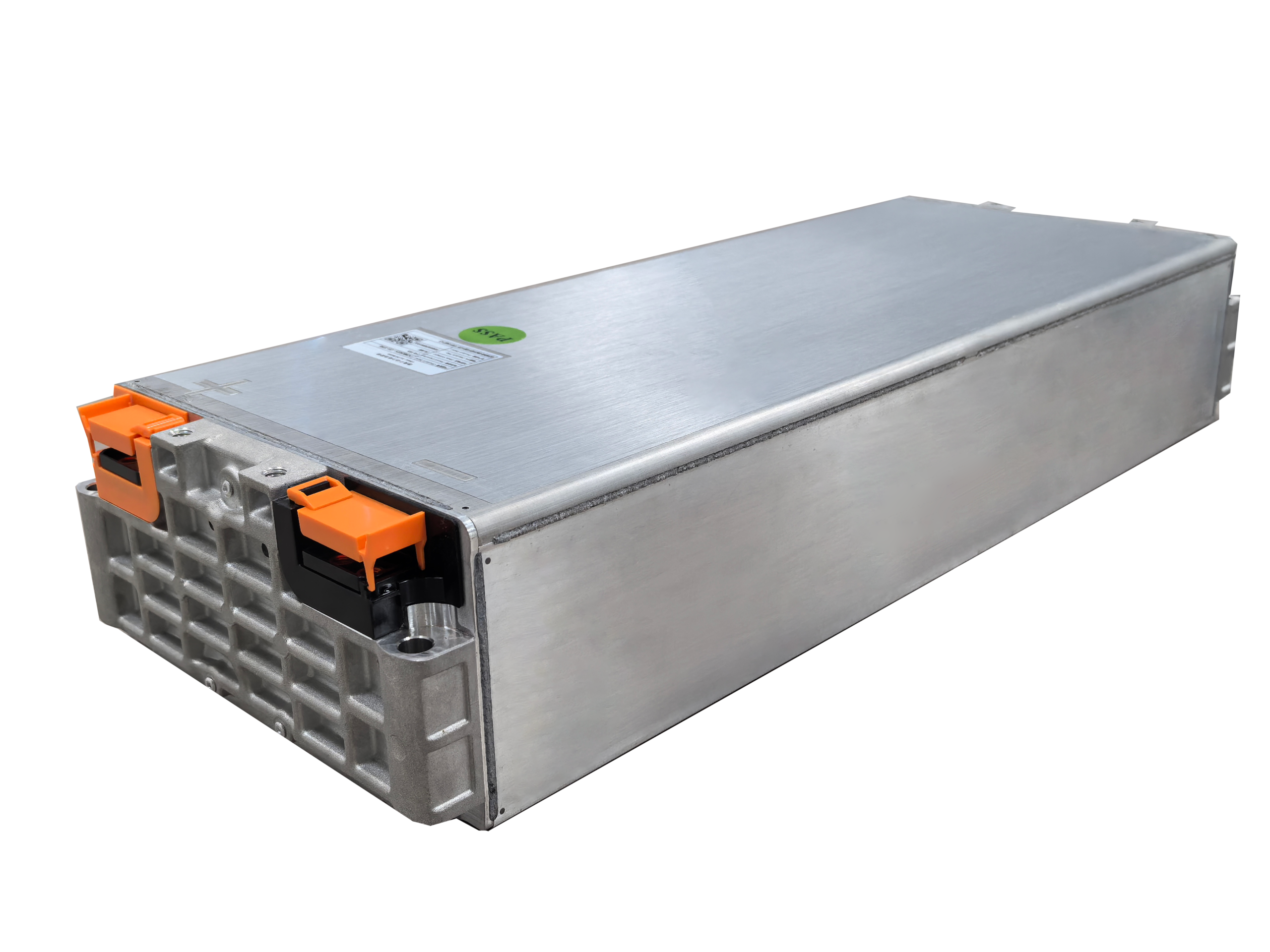
If you’re researching what is MEB590 module, you’ve come to the right place. The MEB590 (also called VDA590 or MEB 590 battery module) is one of the most important standardized battery modules in the electric vehicle industry today. Developed as part of Volkswagen’s groundbreaking MEB platform, it has become a benchmark for cost-effective, high-performance, and scalable battery design used by multiple automakers worldwide.
This in-depth guide explains everything you need to know about the MEB590 module — from its origins and technical specifications to real-world benefits and applications.
What Does MEB Stand For?
MEB stands for Modularer E-Antriebs-Baukasten (Modular Electric Drive Matrix). It is Volkswagen’s dedicated electric vehicle platform launched in 2018 to accelerate the transition to electrification.
The MEB platform was designed to:
- Standardize components across multiple vehicle types (cars, SUVs, vans)
- Reduce development and production costs
- Improve battery integration and vehicle range
- Allow other manufacturers to adopt the same architecture
Он MEB590 module is the flagship battery module within this platform. Its “590” designation refers to the module’s approximate length of 590 mm, making it significantly larger than earlier standards.
The Evolution from VDA355 to MEB590 (VDA590)
Before the MEB590, the industry widely used the VDA355 module standard introduced by the German Association of the Automotive Industry (VDA) in 2012.
As demand for longer driving range grew, manufacturers needed larger, higher-capacity modules. This led to the development of the VDA590 / MEB590 standard:
| Module Standard | Approximate Dimensions | Typical Cell Count | Main Advantage |
|---|---|---|---|
| VDA355 | 355 × 151 × 108 mm | 12 cells | Compact, early standardization |
| VDA390 | Intermediate size | Varies | Transition step |
| MEB590 | 590 × 225 × 108 mm | 8–24 cells | Higher capacity & range |
The MEB590 module was specifically engineered to maximize energy density while maintaining mechanical and electrical compatibility across different vehicle platforms.
MEB590 Module Technical Specifications
Here are the key specifications of a typical MEB590 battery module (based on common 2P8S NMC configurations from leading manufacturers):
| Параметр | Typical Value | Примечания |
|---|---|---|
| Dimensions (L × W × H) | 590 × 225–226 × 108–116 mm | Standard MEB footprint |
| Масса | ≈ 31–31.4 kg | Lightweight for its capacity |
| Химия | NMC (Nickel Manganese Cobalt) | High energy density |
| Configuration | 2P8S or 1P12S | Most common variants |
| Номинальное напряжение | 29.6 V (2P8S) or ~44.4 V (1P12S) | Depends on series connection |
| Емкость | 113–147 Ah per cell; up to 226–227 Ah total | 2P configurations double capacity |
| Nominal Energy | 6.64–6.85 kWh | Excellent energy-to-weight ratio |
| Specific Energy | ≈ 221 Wh/kg | Industry-leading for prismatic modules |
| Рабочая температура | -30°C to +55°C (discharge) | Wide operating window |
| Охлаждение | Natural / liquid (system dependent) | Flexible thermal management |
| Коммуникация | CAN / FPC integrated | Modern modules use flexible printed circuits |
These specifications make the MEB590 module ideal for high-voltage battery packs in passenger cars and light commercial vehicles.
Key Benefits of the MEB590 Module
The MEB590 module delivers significant advantages that explain its rapid adoption:
- Cost Reduction — Standardization across OEMs lowers tooling, development, and manufacturing costs.
- Improved Energy Density & Range — Larger module size allows more cells per unit, directly increasing vehicle range.
- Масштабируемость — The same module can be used in compact cars, SUVs, and vans with minimal redesign.
- Faster Time-to-Market — Automakers can integrate proven modules instead of developing custom designs from scratch.
- Better Consistency & Quality — Uniform cell and module specifications improve reliability and simplify supply chains.
- High Integration Efficiency — Designed for flat-pack installation in the vehicle floor (skateboard chassis), optimizing weight distribution and interior space.
Real-World Applications
The MEB590 module powers many vehicles on Volkswagen’s MEB platform, including:
- Volkswagen ID.3, ID.4, ID.5, ID.7
- Škoda Enyaq
- Cupra Born
- Audi Q4 e-tron
Because Volkswagen opened the MEB platform to other manufacturers, compatible MEB590 modules are now produced by companies such as CALB, CATL, and specialized suppliers for both OEM and aftermarket use. Some industrial and energy storage applications have also adopted the format due to its proven reliability and high energy density.
MEB590 Module vs Traditional Custom Battery Packs
| Aspect | MEB590 Standardized Module | Traditional Custom Pack |
|---|---|---|
| Development Cost | Низкий | High |
| Production Scalability | Excellent | Limited |
| Design Flexibility | Moderate (standard dimensions) | Very high |
| Плотность энергии | High | Varies |
| Supply Chain | Simplified | Complex |
| Time to Market | Fast | Slow |
Safety and Performance Considerations
MEB590 modules typically use NMC chemistry, which offers excellent energy density but requires robust battery management systems (BMS) and thermal management. Modern implementations include:
- Integrated cell monitoring via FPC (Flexible Printed Circuit)
- Multiple layers of protection (over-voltage, over-current, temperature)
- Compatibility with advanced liquid cooling in vehicle packs
When properly integrated, these modules meet stringent automotive safety standards and deliver reliable performance over thousands of cycles.
Frequently Asked Questions (FAQ)
What is the difference between MEB590 and VDA355? VDA355 is the older, smaller standard (≈355 mm long). MEB590 is larger (590 mm) and offers significantly higher capacity and range.
Can MEB590 modules be used in non-Volkswagen vehicles? Yes. Because the MEB platform was opened to other manufacturers, many companies now produce compatible MEB590 modules for various EV platforms and even some stationary storage projects.
What chemistry is used in MEB590 modules? Most production MEB590 modules use НМК (Nickel Manganese Cobalt) prismatic cells for optimal energy density. LFP versions exist in some custom adaptations but are less common in the original MEB standard.
How much energy does one MEB590 module store? Typical modules store between 6.6–6.85 kWh, depending on the exact cell configuration (2P8S or 1P12S).
Is the MEB590 module suitable for floor sweepers or industrial equipment? While primarily designed for passenger and light commercial EVs, the standardized format and high energy density have led some industrial battery suppliers to explore adaptations. However, most floor sweeper applications still prefer dedicated low-voltage LiFePO4 systems for safety and cost reasons.
Conclusion: Why the MEB590 Module Matters
Он MEB590 module represents a major step forward in electric vehicle battery standardization. By combining Volkswagen’s MEB platform vision with the VDA modular philosophy, it has helped reduce costs, accelerate EV development, and improve vehicle range across the industry.
Whether you are an EV manufacturer, battery engineer, fleet operator, or simply curious about modern electric vehicle technology, understanding the MEB590 module gives you valuable insight into where the industry is headed.
As battery technology continues to evolve, standardized modules like the MEB590 will remain central to making electric vehicles more affordable, efficient, and accessible worldwide.
Ready to learn more? Explore related topics such as VDA battery standards, NMC vs LFP chemistry comparisons, or how modular battery design impacts total cost of ownership in electric vehicles.
This article is based on publicly available technical data from leading battery manufacturers and industry standards as of 2026.