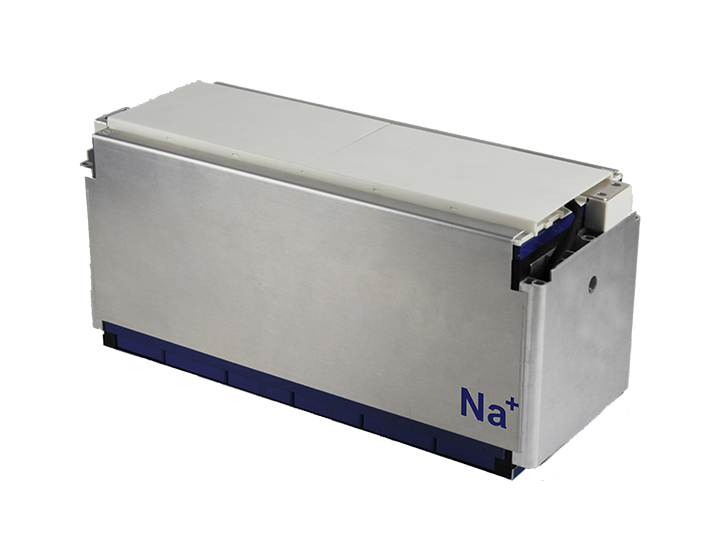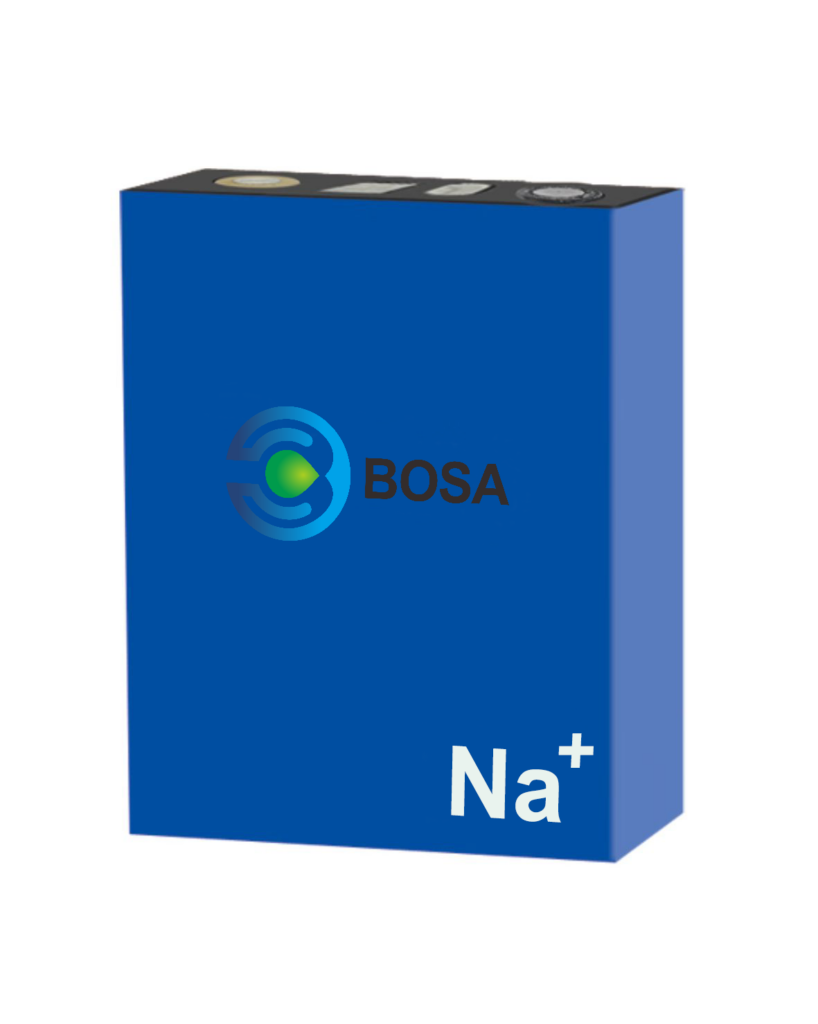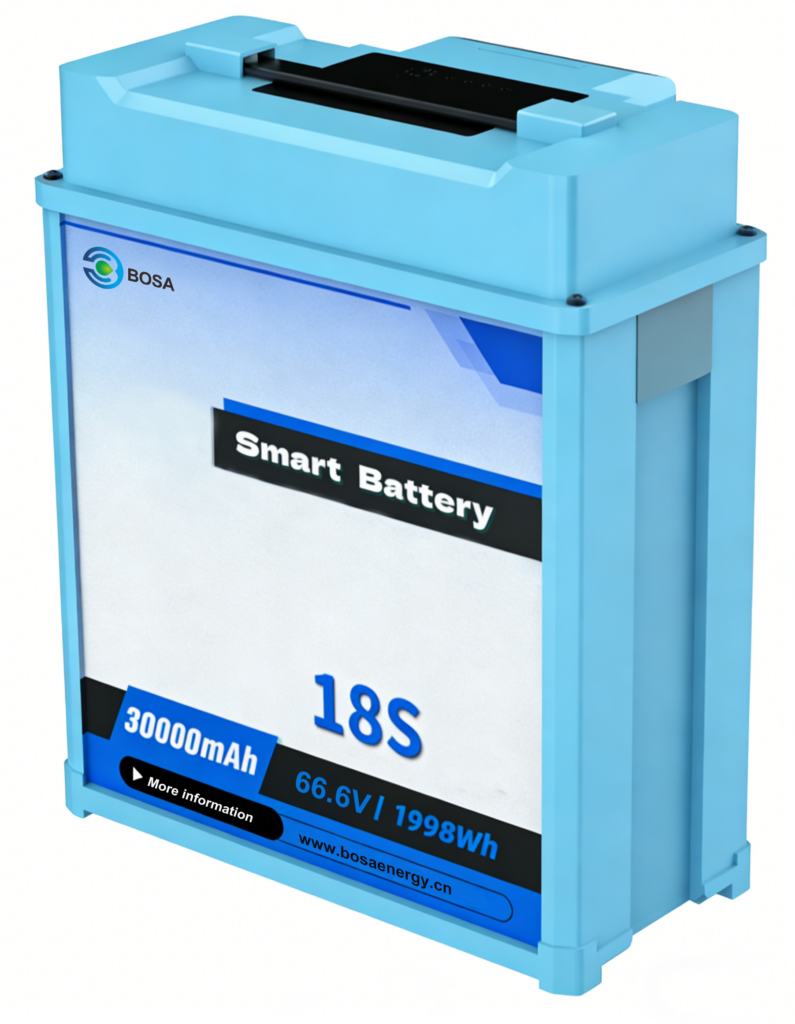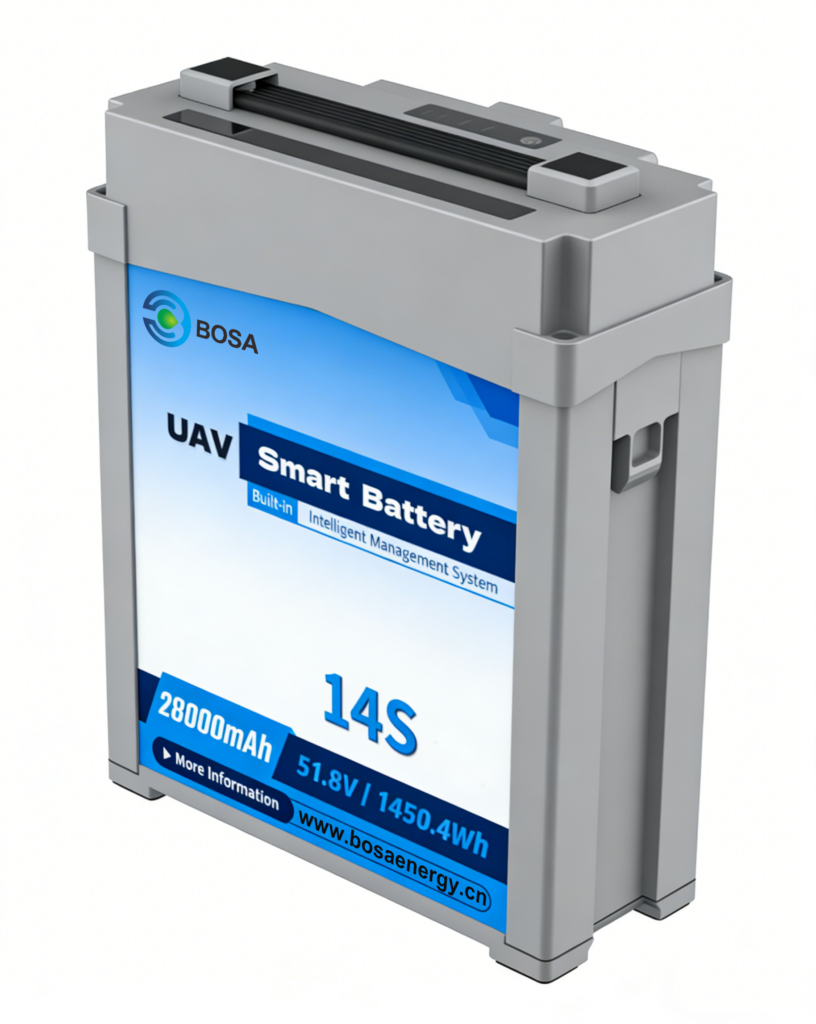

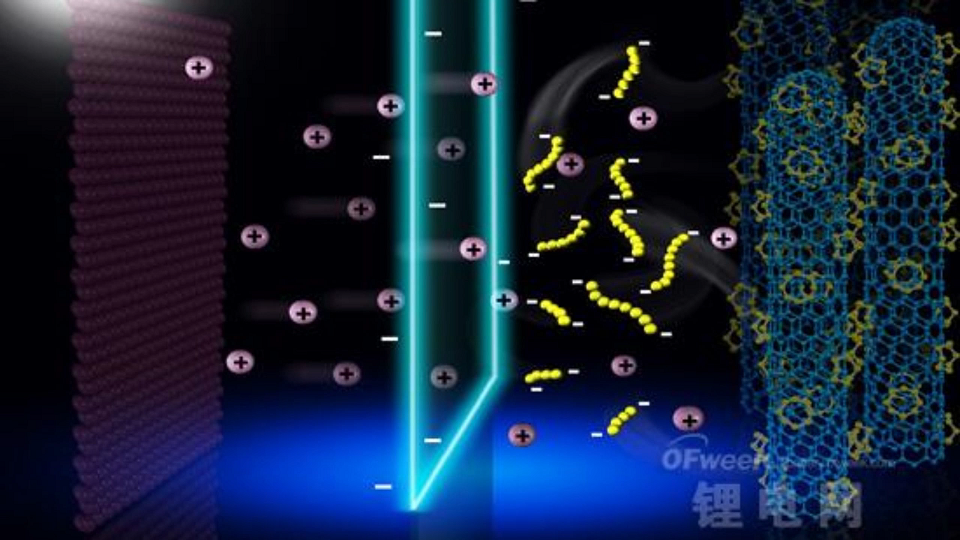
LiFePO4 is used as the positive electrode of the battery, which is connected to the positive electrode of the battery by an aluminum foil, in the middle of which is a polymer diaphragm, which separates the positive electrode from the negative electrode, but the lithium ion Li can pass through it while the electrons e- can’t pass through it, and on the right side of it is the negative electrode of the battery, which is composed of carbon (graphite), which is connected to the negative electrode of the battery by a copper foil. Between the top and bottom of the battery is the electrolyte of the battery, which is hermetically sealed by a metal shell.
1. The temperature should not be too high
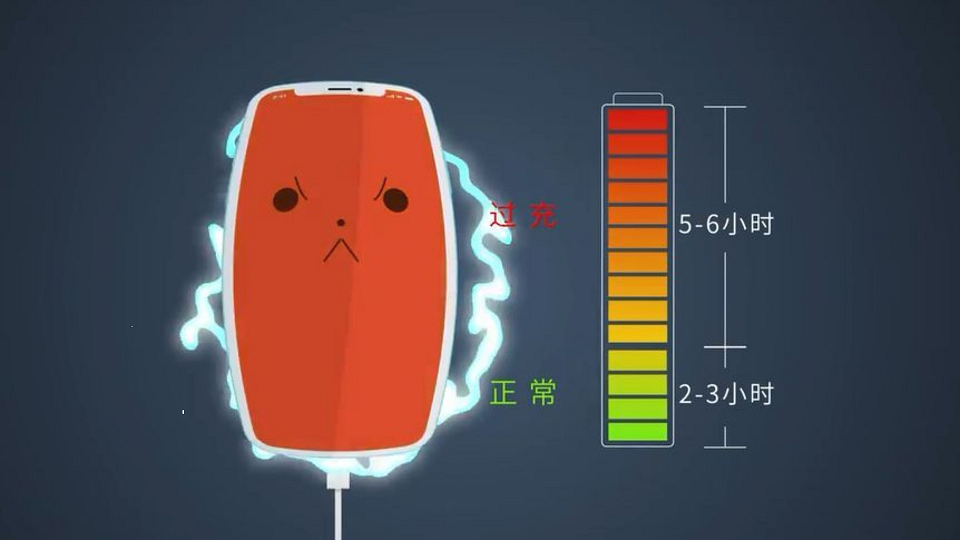
If the UPS battery is used in an environment higher than the specified operating temperature, i.e., above 35C, the battery’s power will continue to diminish, i.e., the battery’s power supply time will not be as long as usual. If the equipment is charged at such temperatures, the damage to the battery will be even greater. Even storing batteries in a hotter environment will inevitably cause corresponding damage to the quality of the battery. Therefore, try to keep in the appropriate operating temperature is a good way to extend the life of lithium-ion batteries.
2. Too low is not good
If the use of lithium-ion in a low-temperature environment, that is, below 4C, the same will also be found in the use of UPS batteries time is reduced, and some of the original lithium-ion cell phone in a low-temperature environment and even charging. But do not worry too much, this is only a temporary situation, unlike the use of high-temperature environments, once the temperature rises, the molecules in the battery by the heat, it will be immediately restored to the previous power.
3. Life is movement
To maximize the effectiveness of lithium iron phosphate batteries, it is necessary to use it often, so that the electrons within the lithium battery is always in the flow state. If you do not use lithium-ion batteries often, please always remember to complete a charging cycle for lithium-ion batteries every month to do a power calibration, i.e., deep discharge and deep charge once.
4. do not mix the battery with metal objects, so as to avoid metal objects touching the battery positive and negative poles, resulting in a short circuit, damage to the battery or even cause danger.
5. lithium iron phosphate battery should be in a clean, dry, ventilated environment, should prevent contact with corrosive substances, away from sources of ignition and heat.
We, BOSA Energy, have been focusing on the safety research of lithium batteries. If you have any questions about lithium batteries, please contact us. Let us explore the world of lithium batteries together.