
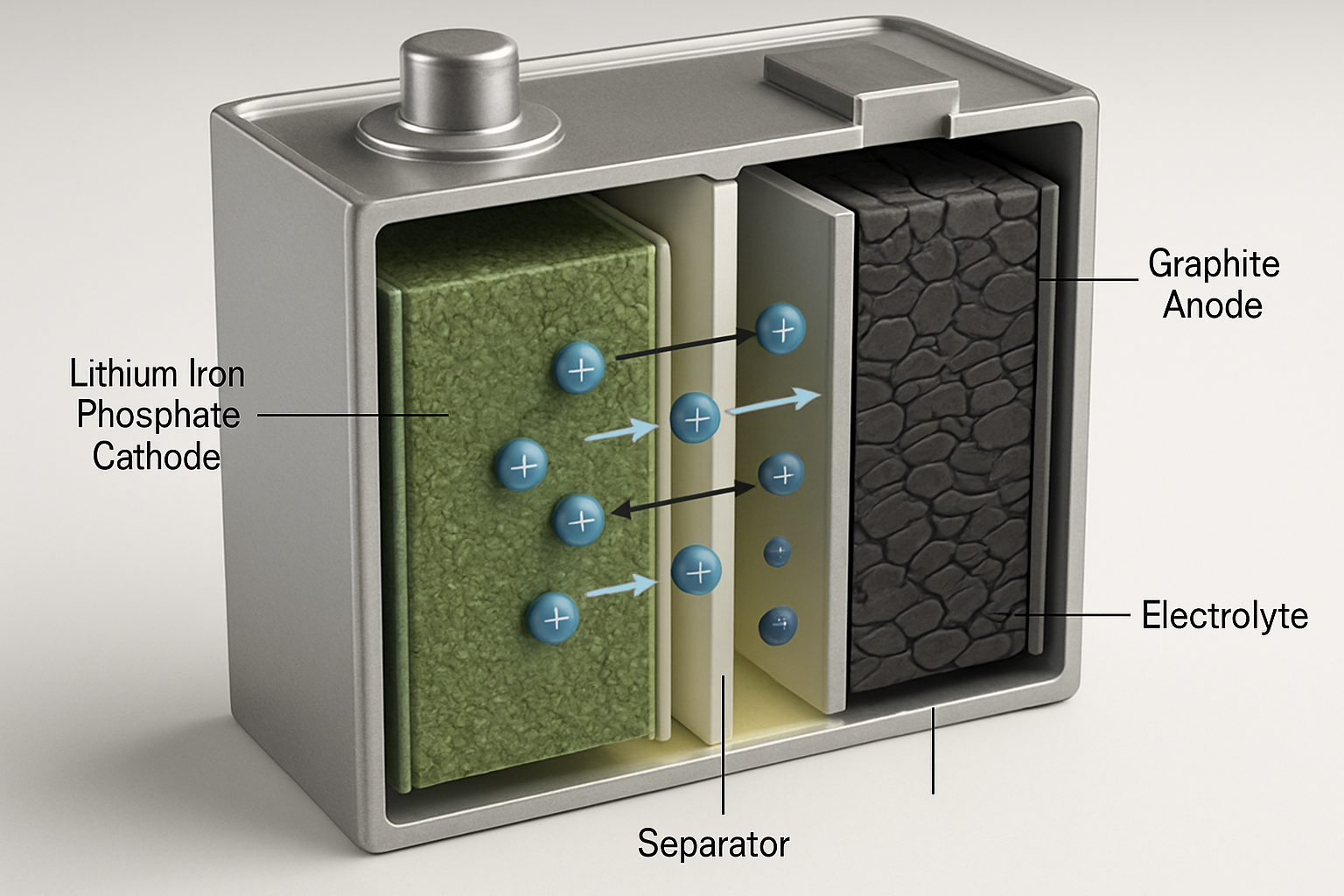
In 2026, the Lithium Iron Phosphate (LFP) battery sector is undergoing a notable shift. After years of consistent price declines driven by manufacturing overcapacity and intense competition, LFP cell and pack costs are now facing meaningful upward pressure. This change reflects a combination of robust demand growth, rebounding raw material costs, and important policy adjustments in China.
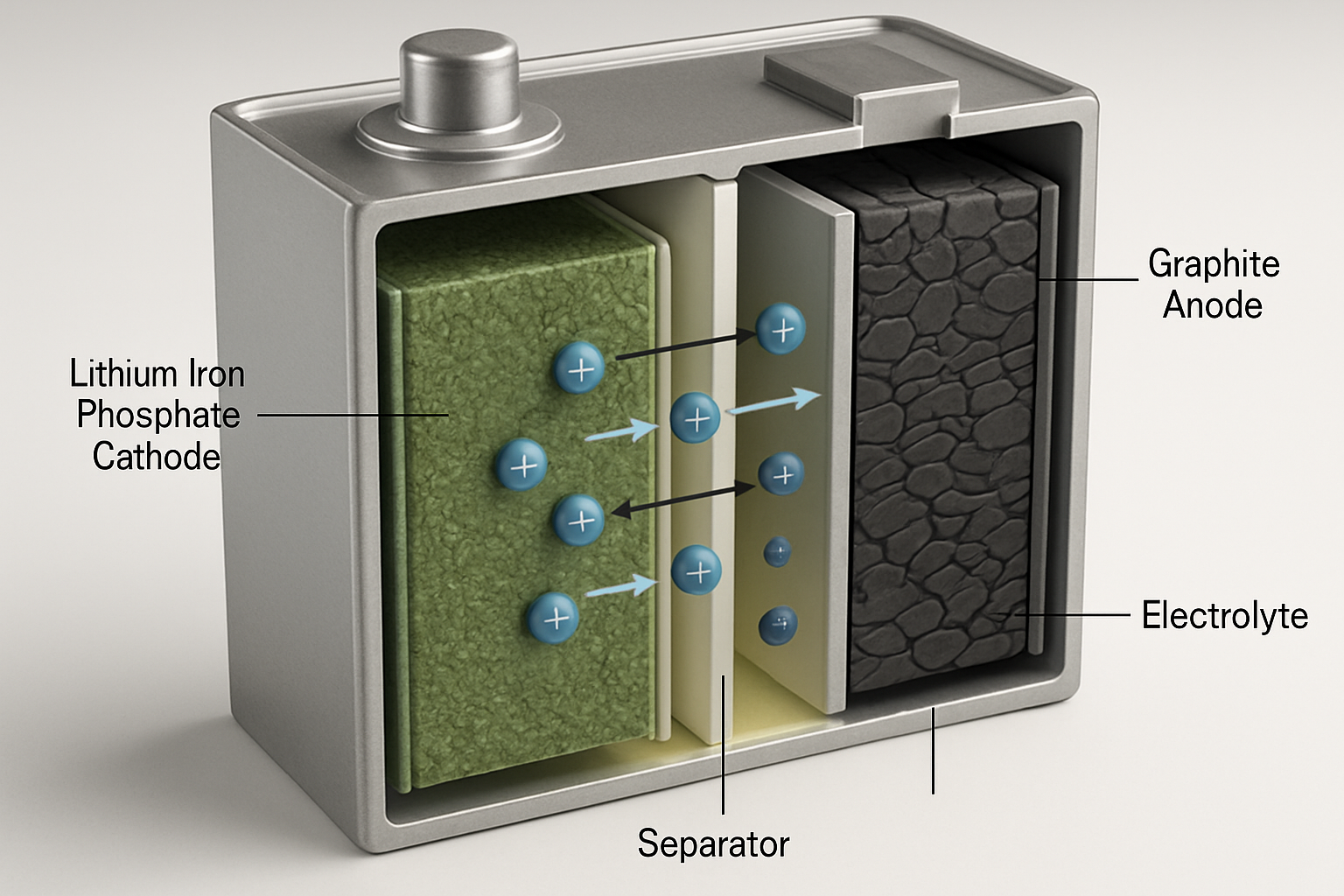
Surging Demand Tightens the Market
Strong adoption of LFP batteries across electric vehicles, grid-scale energy storage systems, and AI-related power infrastructure has significantly narrowed the previous global surplus. Energy storage in particular has emerged as a powerful demand driver, complementing steady EV growth and new high-power applications.
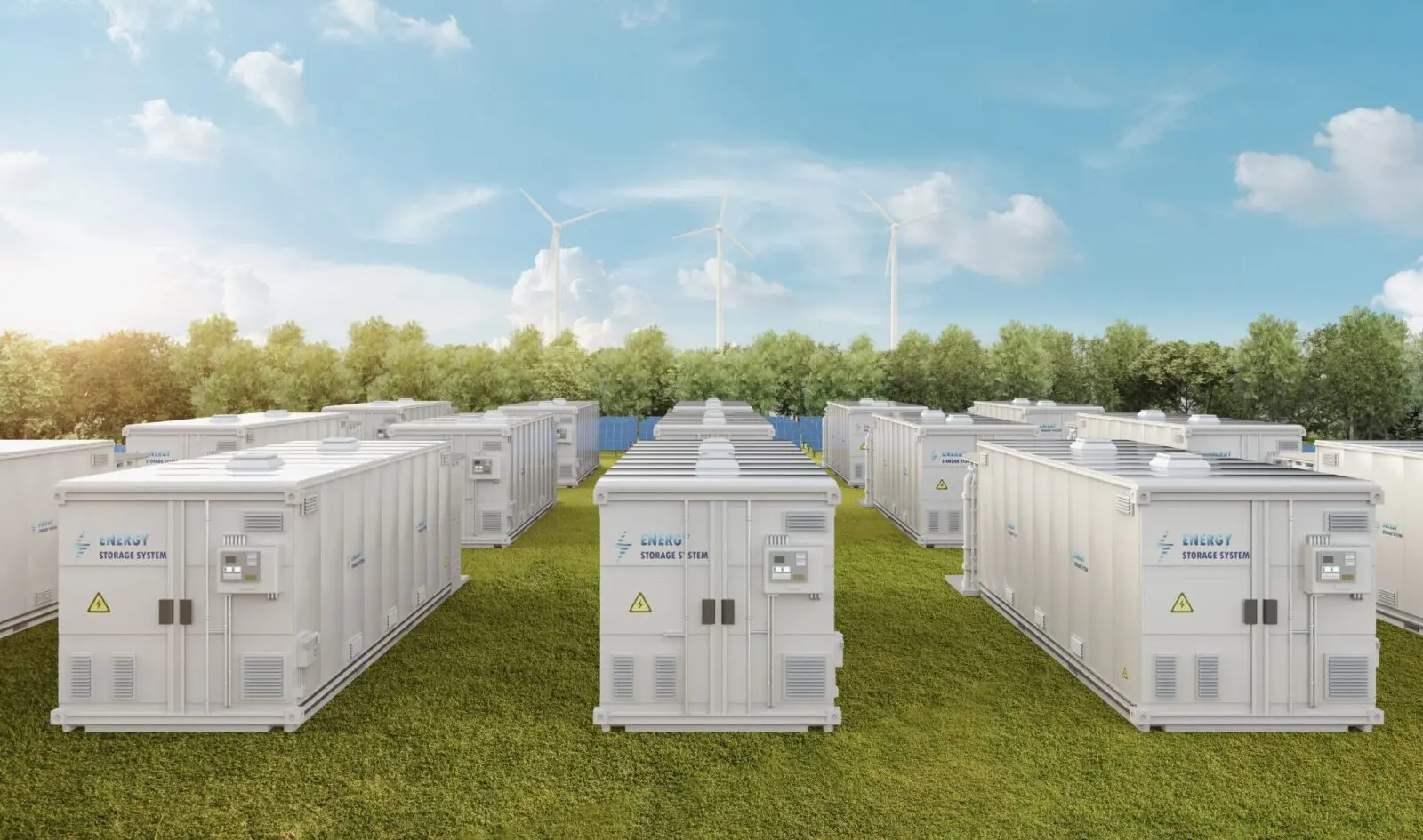
According to Reuters, the energy storage boom is strengthening the demand outlook for lithium and related battery materials in 2026, with analysts expecting global lithium demand to grow substantially this year.
Raw Material Rebound Adds Cost Pressure
A key factor behind higher battery costs is the significant recovery in prices for critical inputs, particularly lithium carbonate, as well as copper and aluminum. After reaching multi-year lows in 2025, lithium prices have rebounded sharply, directly affecting cell production costs.
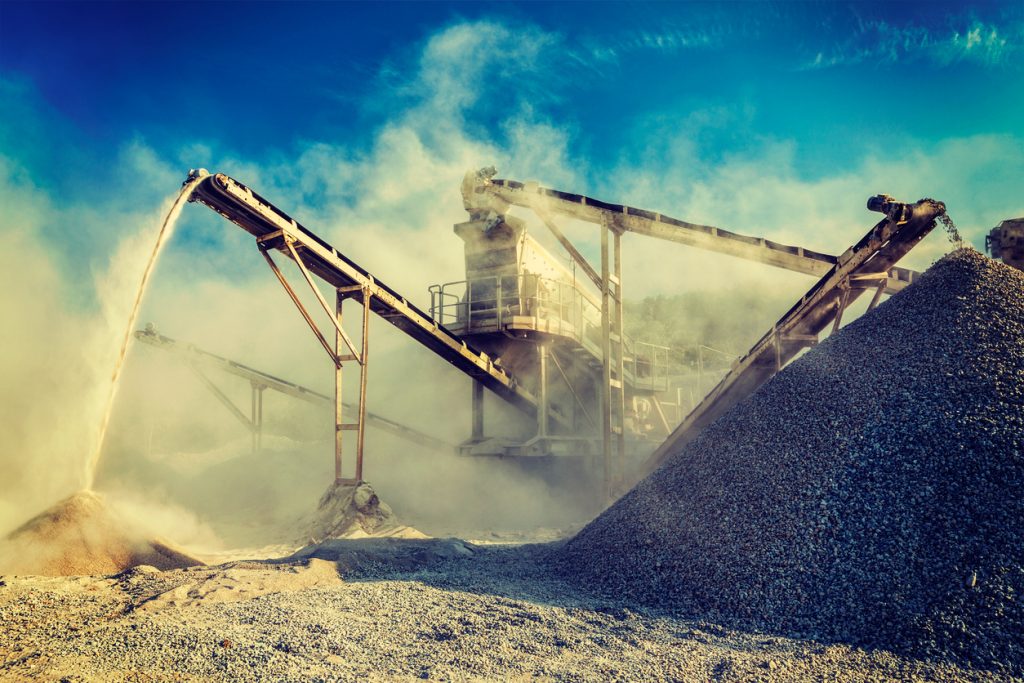
How Lithium Extraction Works | SAMCO Technologies
S&P Global has reported that China’s lithium carbonate prices trended upward in the second half of 2025, supported by supply disruptions and strong demand from both the energy storage and electric vehicle sectors. This raw material inflation has ended the period when falling input costs helped offset other expenses.
Policy Shift: China’s Export VAT Rebate Changes
Another structural driver is China’s phased reduction of export VAT rebates on battery products. The rebate was cut from 9% to 6% starting April 2026, with complete removal scheduled for January 2027. This adjustment effectively raises the cost base for exported cells and packs.
Reuters has covered how this policy move contributed to a surge in lithium prices as the market anticipated tighter export economics. Multiple Chinese battery material suppliers have already issued price adjustment notices to international customers as a direct result.
Deeper Trend Analysis: A Structural Regime Change
This upward movement in LFP costs represents more than a short-term fluctuation — it signals a regime change in the battery industry.
For several years, the market operated in a deflationary environment where continuous manufacturing scale-up and oversupply pushed prices lower almost every year. That dynamic is now giving way to a more balanced (and occasionally upward) pricing environment in which raw material costs, policy decisions, and supply security carry greater weight.
Key implications of this shift include:
- End of easy cost deflation: Downstream players (EV makers, energy storage developers, and system integrators) can no longer rely on annual price reductions to improve project economics. Many are now focusing on long-term supply contracts and total cost of ownership rather than chasing the lowest headline cell price.
- Greater emphasis on supply chain resilience: Companies with strong vertical integration, strategic inventory, and diversified logistics are gaining a competitive advantage.
- Regional price divergence: Export prices from China are rising faster than domestic prices due to the VAT changes combined with tariffs in Europe and North America. This is widening the gap between China-sourced and locally produced or tariff-affected batteries.
- Industry maturation: The sector is moving from a “race to the bottom” on price toward competition based on reliability, delivery certainty, technical support, and integrated solutions. This favors suppliers who can offer more than just cells.
- Mixed signals in broader forecasts: While BloombergNEF has noted that overall battery pack prices may still see modest declines in 2026 due to continued LFP adoption and manufacturing scale, specific LFP cell costs are experiencing countervailing upward pressure from materials and policy — creating a more nuanced and volatile outlook than in previous years.
In short, 2026 marks the beginning of a new phase where cost control, supply stability, and partnership quality matter as much as raw cell pricing.
Navigating the New Environment: BOSA Energy’s Approach
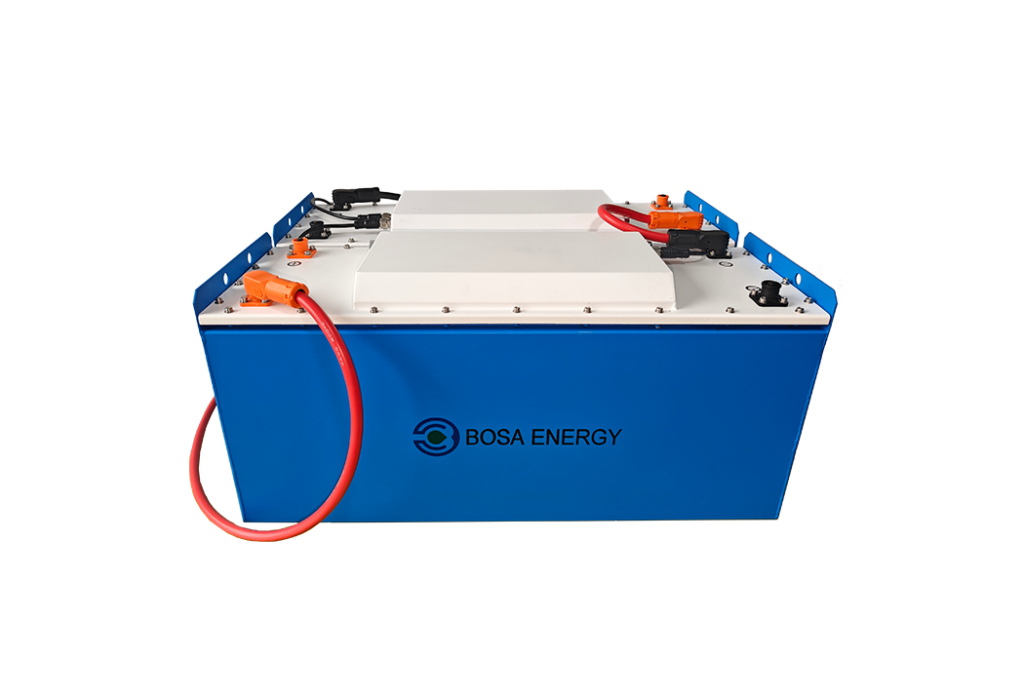
BOSA Energy is a professional global supplier and integrator of high-performance Lithium Iron Phosphate (LFP) batteries and complete energy storage solutions. With deep expertise across the battery value chain, we deliver advanced LFP cells, modules, packs, and fully integrated energy storage systems for electric vehicles, commercial & industrial projects, and grid-scale applications.
In the current environment of rising costs and supply chain complexity, BOSA Energy has taken proactive steps to support customers:
- Full end-to-end supply chain management for batteries
- Strategic inventory buffers to protect against volatility
- Expanded logistics partnerships offering multiple methods and cost-optimized channels
- Continuous improvements in production efficiency to shorten lead times
- Local warehousing and service capabilities in Italy, Spain, Germany, the Netherlands, Australia, and additional markets
We are committed to helping customers effectively manage total project costs while securing long-term, stable supply. We understand that cost predictability and reliable delivery are critical to project success. That is why we prioritize transparent communication, on-time fulfillment, and professional system integration services — giving you the confidence to move forward even when market conditions are uncertain.
Partner with BOSA Energy for stable LFP supply and dedicated support across key global markets.
References & Further Reading
- Reuters: Energy storage boom strengthens demand outlook for lithium
- Reuters: https://www.reuters.com/world/asia-pacific/lithium-soars-china-revoke-battery-export-tax-rebates-2026-01-12/
- Bloomberg: Why Global Battery Prices Are Expected to Fall in 2026 (BloombergNEF analysis)
- S&P Global: https://www.spglobal.com/energy/en/news-research/latest-news/metals/010926-commodities-2026-lithium-carbonate-surplus-to-narrow-energy-storage-to-drive-growth