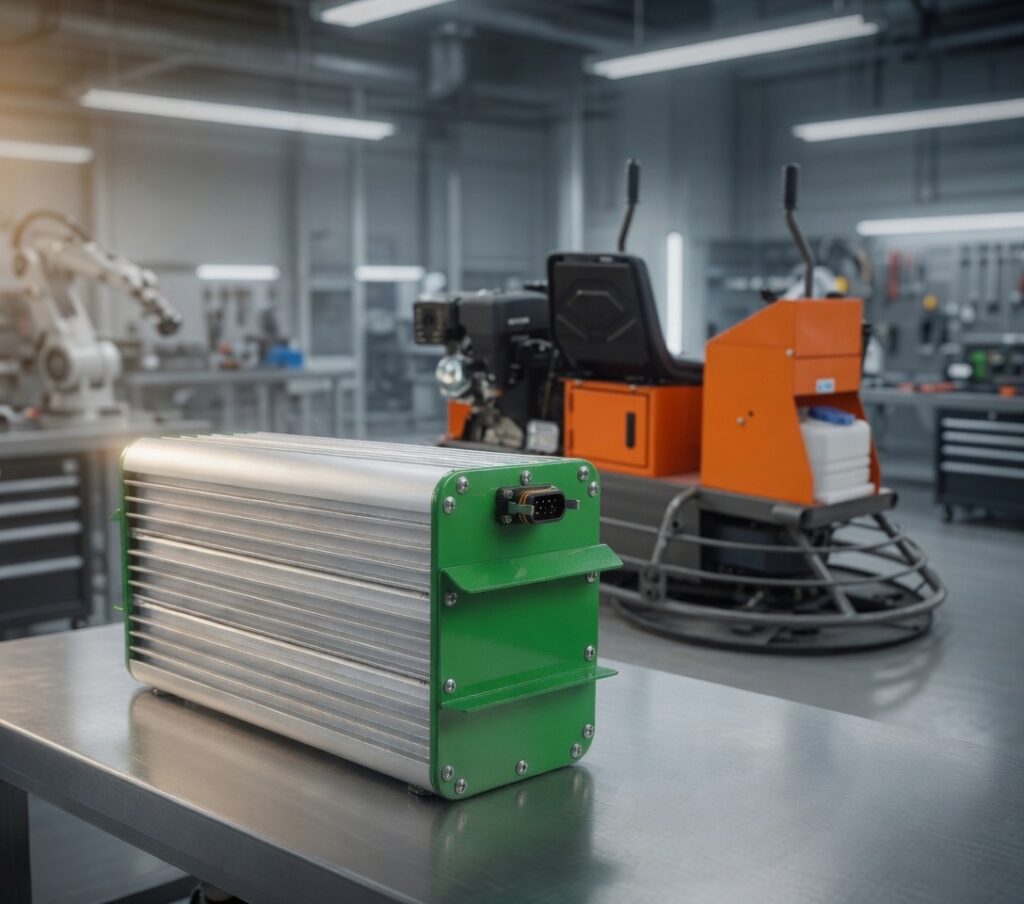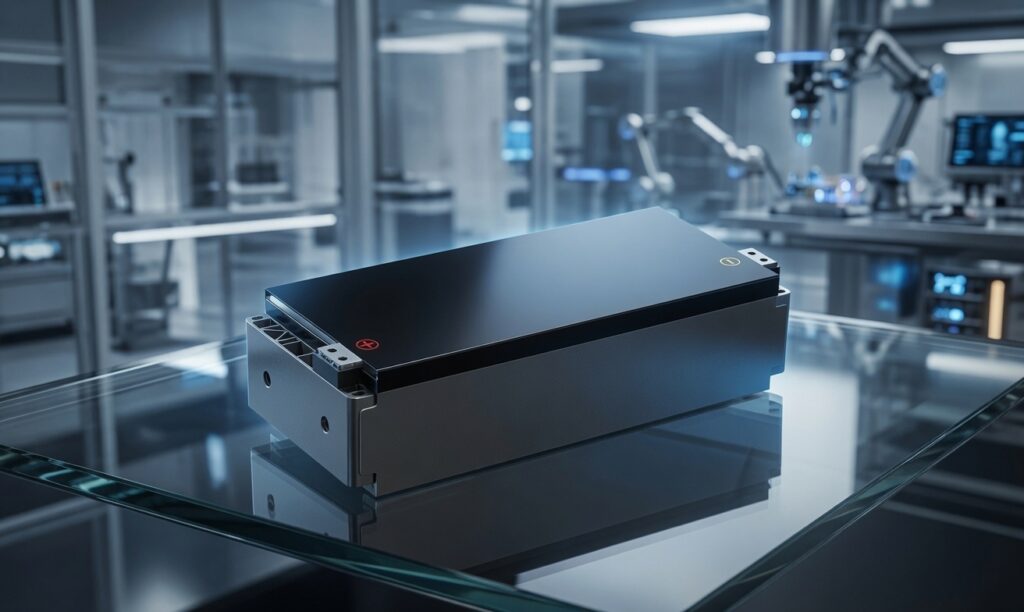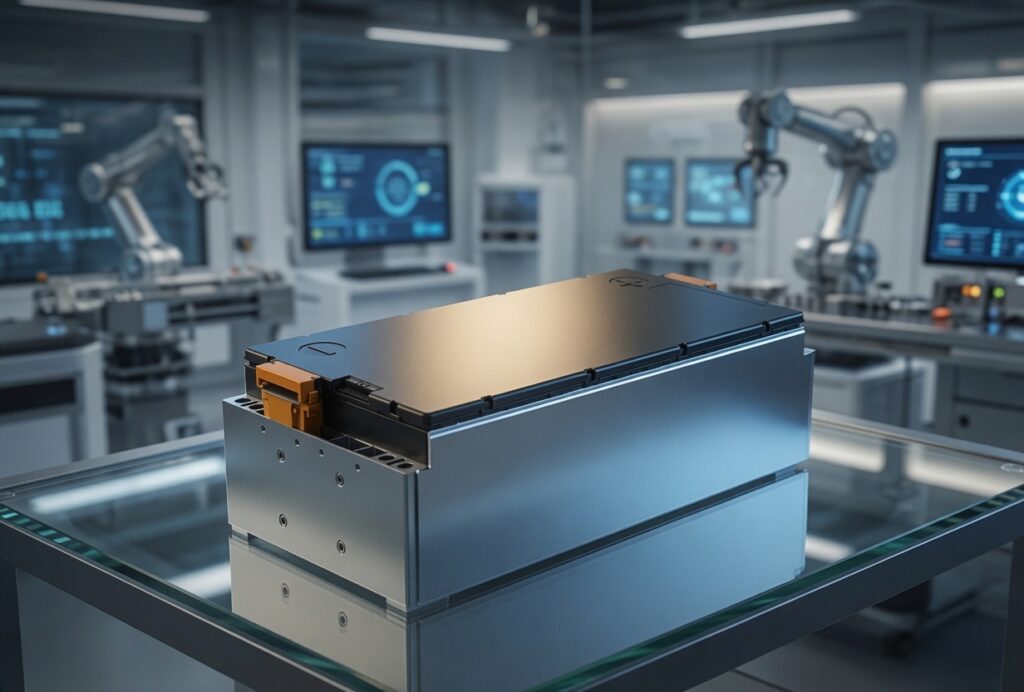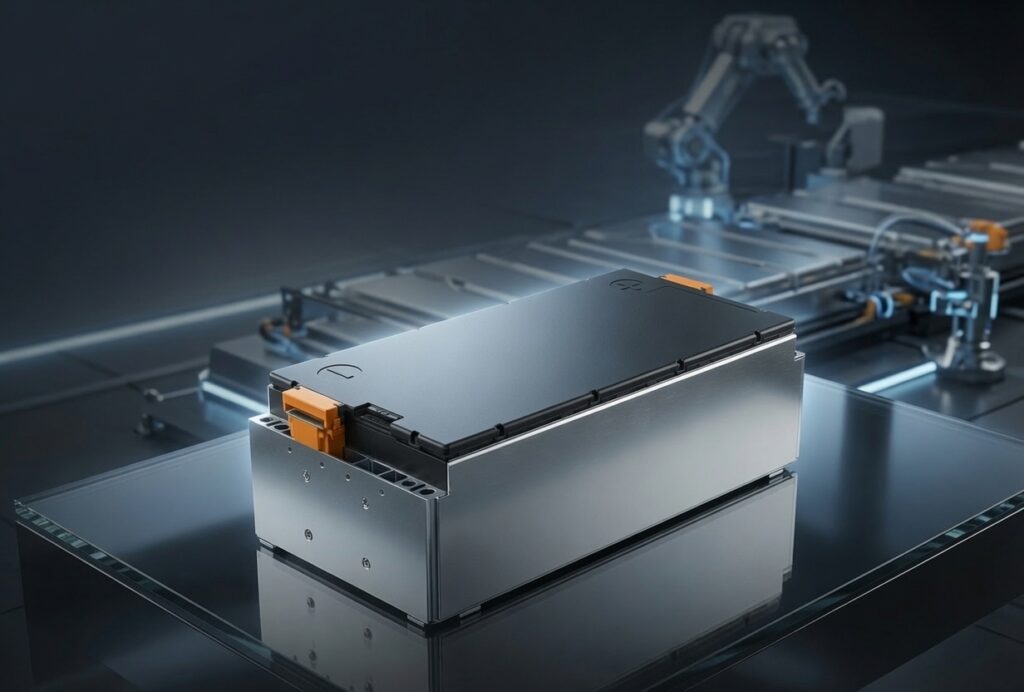

In today’s fast-growing electric vehicle (EV) and battery energy storage system (BESS) markets, standardized battery modules have become essential for scalability, cost efficiency, and interoperability. A VDA355 Module Factory specializes in producing VDA355 lithium-ion battery modules — compact, high-performance building blocks that meet the dimensional standards popularized by the German automotive industry. These factories enable manufacturers, integrators, and OEMs to build reliable battery packs faster and more economically while maintaining automotive-grade quality.
Whether you are sourcing modules for passenger EVs, commercial vehicles, stationary storage, marine applications, or mining equipment, understanding what a professional VDA355 module factory delivers is key to making informed decisions.
What Is the VDA355 Battery Module Standard?
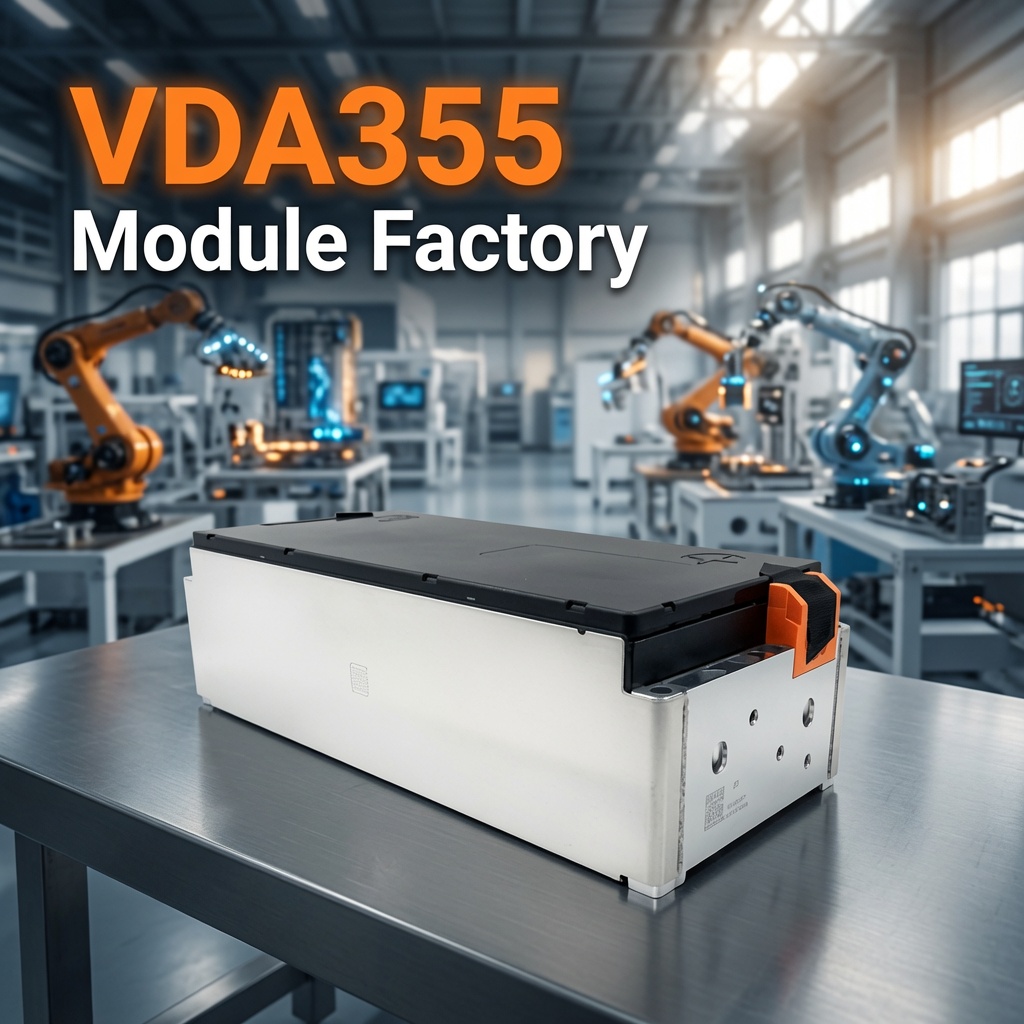
The VDA355 module refers to a widely adopted standardized lithium-ion battery module size originally influenced by recommendations from the German Association of the Automotive Industry (VDA) and popularized through early Volkswagen platforms. The “355” designation comes from the module’s approximate length of 355 mm.
Typical dimensions (with minor manufacturer tolerances):
- Length: 355 mm (±1 mm)
- Width: 151–152 mm
- Height: 108–108.5 mm
This compact form factor allows flexible series-parallel configurations in battery packs while ensuring mechanical compatibility across different vehicle platforms and energy storage systems. Although Volkswagen’s later MEB platform shifted toward larger modules (such as ~590 mm variants) for improved energy density in some applications, the VDA355 standard remains highly popular — especially in China and among global suppliers — due to its versatility, proven reliability, and ease of integration.
Key Specifications of VDA355 Modules from Leading Factories
Professional VDA355 module factories produce modules in multiple chemistries (NCM/NMC and LFP) and electrical configurations (commonly 1P4S, 2P6S, and others). Here is a representative example from a major supplier:
Sunwoda 1P4S 153Ah NCM VDA355 Module (typical values)
| Παράμετρος | Προσδιορισμός |
|---|---|
| Διαστάσεις | 355 × 151.5 × 108.5 mm |
| Ονομαστική τάση | 14.68 V |
| Nominal Capacity | 150–153 Ah |
| Συνολική Ενέργεια | ~2.2 kWh |
| Βάρος | ≤ 11.6 kg |
| Continuous Discharge Power | ≥ 1.97 kW |
| Μέγιστη εκφόρτιση (10 δευτερόλεπτα) | 7.4 kW |
| Κύκλος ζωής | ≥ 2,000 cycles |
| Θερμοκρασία λειτουργίας | Charge: -20~55°C / Discharge: -30~55°C |
| Χημεία | NCM (also available in LFP) |
Note: Exact specifications vary by cell supplier (e.g., CALB, Sunwoda, EVE, Svolt), configuration, and factory customization. Always request the latest datasheet.
Other popular variants include LFP-based modules (excellent safety and cycle life for stationary storage) and higher-voltage configurations.
Inside a Modern VDA355 Module Factory: Manufacturing Excellence
A reputable VDA355 Module Factory combines precision engineering, automation, and rigorous quality systems to deliver consistent, high-reliability modules at scale. Production typically includes:
- Cell Incoming Inspection & Sorting — Prismatic cells undergo 100% testing for capacity, internal resistance, and safety. Cells are matched for optimal module performance.
- Module Framing & Cell Stacking — Precision aluminum or composite frames ensure exact VDA355 outer dimensions and structural integrity under vibration and crash conditions.
- Busbar Welding & Electrical Integration — Automated laser or ultrasonic welding creates low-resistance, high-current connections.
- BMS Integration — Advanced Battery Management Systems with balancing, thermal monitoring, and communication protocols (CAN, etc.) are installed and calibrated.
- Thermal Management & Sealing — Options for air or liquid cooling interfaces; modules are sealed for IP-rated protection.
- End-of-Line (EOL) Testing — Comprehensive validation including capacity verification, insulation resistance, high-pot testing, leak testing, and functional safety checks.
- Traceability & Quality Documentation — Full batch traceability supporting IATF 16949, ISO 9001, and automotive customer requirements.
These automated lines (often running at high throughput) minimize human error and ensure every module leaving the factory meets the tight tolerances required for seamless pack assembly.
Why Source from a Specialized VDA355 Module Factory?
Partnering with an experienced VDA355 module factory offers clear advantages:
- Interchangeability & Scalability — Modules from compliant factories fit standard battery pack designs, simplifying engineering and reducing development time.
- Cost Efficiency — High-volume production and standardized processes lower per-unit costs while maintaining quality.
- Proven Safety & Reliability — Automotive-grade testing and quality gates reduce field failures.
- Application Flexibility — The same module platform serves passenger cars, commercial vehicles, BESS, marine, and industrial uses.
- Supply Chain Resilience — Multiple qualified factories (many in China with global export experience) provide redundancy and competitive pricing.
- Second-Life & Recycling Readiness — Standardized dimensions and interfaces facilitate easier repurposing and end-of-life processing.
Real-World Applications
VDA355 modules produced in professional factories power:
- Passenger and commercial electric vehicles
- Residential and commercial battery energy storage systems (BESS)
- Material handling equipment (forklifts, AGVs)
- Marine and off-highway electrification
- Backup power and microgrid solutions
DIY solar enthusiasts and small-scale BESS builders also value these modules for their compact size, energy density (~190–220 Wh/kg depending on chemistry), and availability in pallet quantities.
How to Choose the Right VDA355 Module Factory or Supplier
When evaluating partners, consider these E-E-A-T-aligned criteria:
- Certifications & Standards — IATF 16949, ISO 9001, UN38.3, IEC 62619/62620, and relevant regional transport certifications.
- Cell Quality & Traceability — Use of Tier-1 cells with full material certificates.
- Customization Capability — Ability to offer different configurations, BMS options, and thermal designs.
- Testing & Validation Infrastructure — In-house or accredited lab capabilities for safety and performance.
- Production Capacity & Lead Times — Transparent MOQ, scalable output, and reliable delivery.
- Technical Support & Documentation — Detailed datasheets, 3D models, CAN protocols, and after-sales service.
- Reputation & References — Proven track record with automotive or Tier-1 customers.
Always request samples, third-party test reports, and factory audit opportunities before large-scale orders.
The Future of VDA355 and Standardized Module Production
Standardization continues to drive the industry forward. While larger modules improve pack-level energy density in some new platforms, the VDA355 form factor remains relevant for its balance of size, weight, and versatility. Future factory advancements include higher automation, AI-driven quality inspection, improved cell-to-module integration, and support for next-generation cells (higher nickel, silicon anodes, or LFP with enhanced performance).
Factories that invest in these capabilities will be best positioned to support the global transition to electrification and renewable energy storage.
Σύναψη
A professional VDA355 Module Factory is more than a production facility — it is a critical enabler of reliable, cost-effective, and scalable battery systems. By delivering precisely dimensioned, thoroughly tested modules built to automotive standards, these factories help OEMs, integrators, and innovators accelerate their electrification projects with confidence.
Whether you are designing a new EV platform, expanding a BESS portfolio, or sourcing modules for industrial applications, choosing the right VDA355 module manufacturing partner can significantly impact performance, cost, and time-to-market.
Frequently Asked Questions (FAQ)
What are the exact dimensions of a VDA355 battery module? Approximately 355 mm (L) × 151–152 mm (W) × 108–108.5 mm (H), with tight manufacturing tolerances for pack compatibility.
What chemistries and configurations are available from VDA355 module factories? Common options include NCM/NMC and LFP cells in 1P4S, 2P6S, and other series-parallel arrangements. Capacity typically ranges from ~100 Ah to over 150 Ah per module depending on cell choice.
Can VDA355 modules be used for home solar energy storage? Yes. Their compact size, good energy density, and availability make them popular for both DIY and commercial BESS projects, provided proper BMS, thermal management, and safety certifications are in place.
How does VDA355 compare to MEB590 modules? VDA355 is smaller and was widely used in earlier platforms. MEB590 (larger ~590 mm modules) offers higher energy per module and better system-level efficiency in some newer Volkswagen-derived designs, but VDA355 remains highly versatile and cost-effective for many applications.
Are VDA355 modules automotive-grade? Modules from qualified factories undergo rigorous testing aligned with automotive quality systems (IATF 16949) and safety standards, making them suitable for EV and demanding industrial use.
How do I get started with sourcing from a VDA355 module factory? Contact reputable manufacturers or distributors, request technical datasheets and samples, verify certifications, and consider a factory audit or third-party inspection for larger orders.
This article is based on publicly available industry specifications, manufacturer datasheets, and established battery engineering practices as of 2026. Always consult qualified engineers and request current documentation for your specific project requirements. Specifications can vary by supplier and should be verified directly.
Ready to explore VDA355 module solutions? Reach out to established manufacturers or authorized distributors for the latest quotes, customization options, and technical support. Standardization has never been more powerful — and a capable VDA355 Module Factory is at the heart o